
Quick Summary
Commercial water damage usually starts small, with a slow plumbing leak, a roof drain that backs up, an HVAC condensate line, a cracked exterior seal, or a sprinkler or appliance failure. We cover how to spot each one, what to do in the first hour, and how our IICRC-certified crew helps DFW businesses keep repair bills and downtime low.
Commercial water damage can start with something as small as a brown ring on a ceiling tile or a mechanical room that smells a little off on Monday morning.
Business owners often miss these quiet moisture problems until they turn into expensive repairs, safety concerns, mold growth, or a closed storefront. We’d like to help you catch them sooner.
Why Commercial Water Damage Often Goes Unnoticed
Water is patient, running along framing, ductwork, and the underside of flooring before anyone notices a stain. Leaks that start at night or over a weekend get a head start, and in a shared building, the drip in your suite may begin upstairs. If a stain, odor, or damp spot comes back twice, it’s worth an inspection.
Five Common Causes Business Owners Often Miss
These are the five sources our technicians keep tracing on commercial calls:
- Slow plumbing leaks: A supply line behind a restroom wall can drip for weeks, leaving stained ceiling tiles, damp drywall, a musty smell, or cupped flooring.
- Roof and drainage issues: Ponding water on a flat roof, clogged scuppers, worn flashing, or loose seals around rooftop units let water in, sometimes far from the visible stain.
- HVAC condensation: A clogged condensate line or rusted drain pan can soak ceiling tiles, and our guide to protecting your property from HVAC leaks covers the warning signs.
- Foundation or exterior leaks: Poor grading, cracked sealant, and worn window or door seals let water in during North Texas storms, usually along the lowest wall.
- Appliance or sprinkler failures: Ice makers, water heaters, restroom fixtures, and sprinkler lines can fail with little warning, often after hours.
Warning Signs Worth a Closer Look
Bubbling paint, soft drywall, stains that return after cleaning, a humid back office, and unexplained mold are all worth a call. If you spot one, these steps limit the spread:
- Find the source: Turn off the fixture or the nearest shut-off valve if it’s safe to reach.
- Document the area: Photograph stains, standing water, and damaged stock before anything moves, which helps your insurance claim.
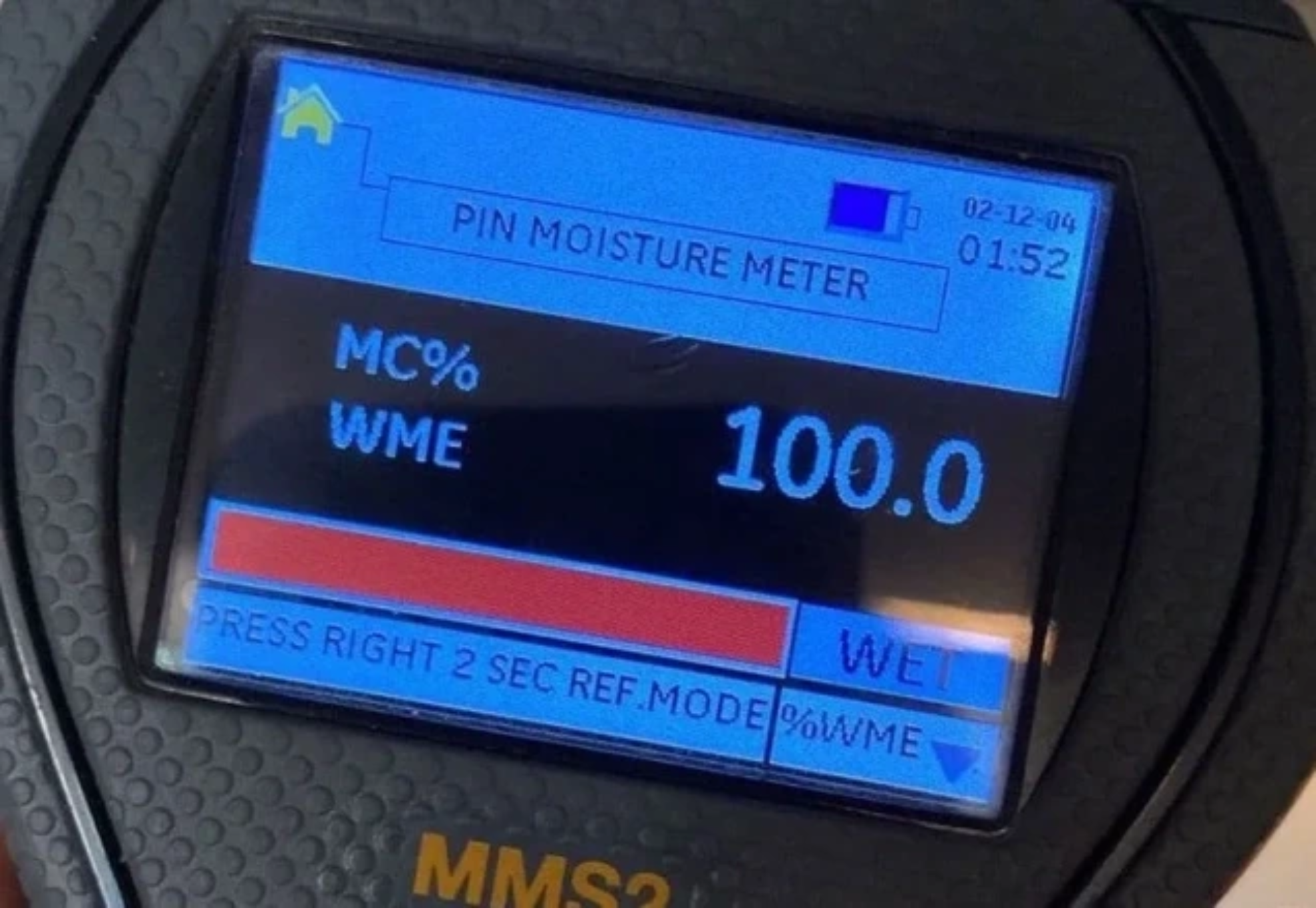
- Call for drying: Our team brings extraction, moisture mapping, and drying equipment, then handles repairs so you reopen sooner.
Wet drywall, carpet, and insulation can begin to grow mold within 24 to 48 hours. A fast response keeps the repair smaller and your doors open.
Protecting Your Business From Hidden Leaks
At Zeus Restoration, we help DFW businesses with water damage restoration, mold remediation, and repairs, and our IICRC-certified technicians answer 24/7. Schedule a free inspection with our team or call (972) 587-6960, and we’ll help you stop a small problem before it gets expensive.
FAQs
Watch for stains, odd smells, peeling paint, soft drywall, and damp spots that keep coming back.
Yes. A slow leak can soak walls, flooring, insulation, and ceilings for weeks before it’s visible.
As fast as you can. Drying wet materials within 24 to 48 hours lowers the chance of mold growth.
Our commercial restoration team inspects, extracts water, dries materials, and coordinates repairs from start to finish.
Inspect plumbing, the roof, HVAC drain lines, windows, grading, and exterior sealant regularly, and again after major storms.