
Quick Summary
Burst pipe water damage can spread quickly through floors, walls, ceilings, and personal belongings. The first steps are to shut off the water, avoid electrical hazards, document the damage, and arrange for pipe repairs. Once the source is controlled, professional water damage restoration can address standing water, hidden moisture, damaged materials, and affected contents. Thorough drying and moisture monitoring can help reduce the risk of mold, odors, and further property damage. For homeowners dealing with burst pipe water damage in Dallas-Fort Worth, acting quickly can make the restoration process more manageable.
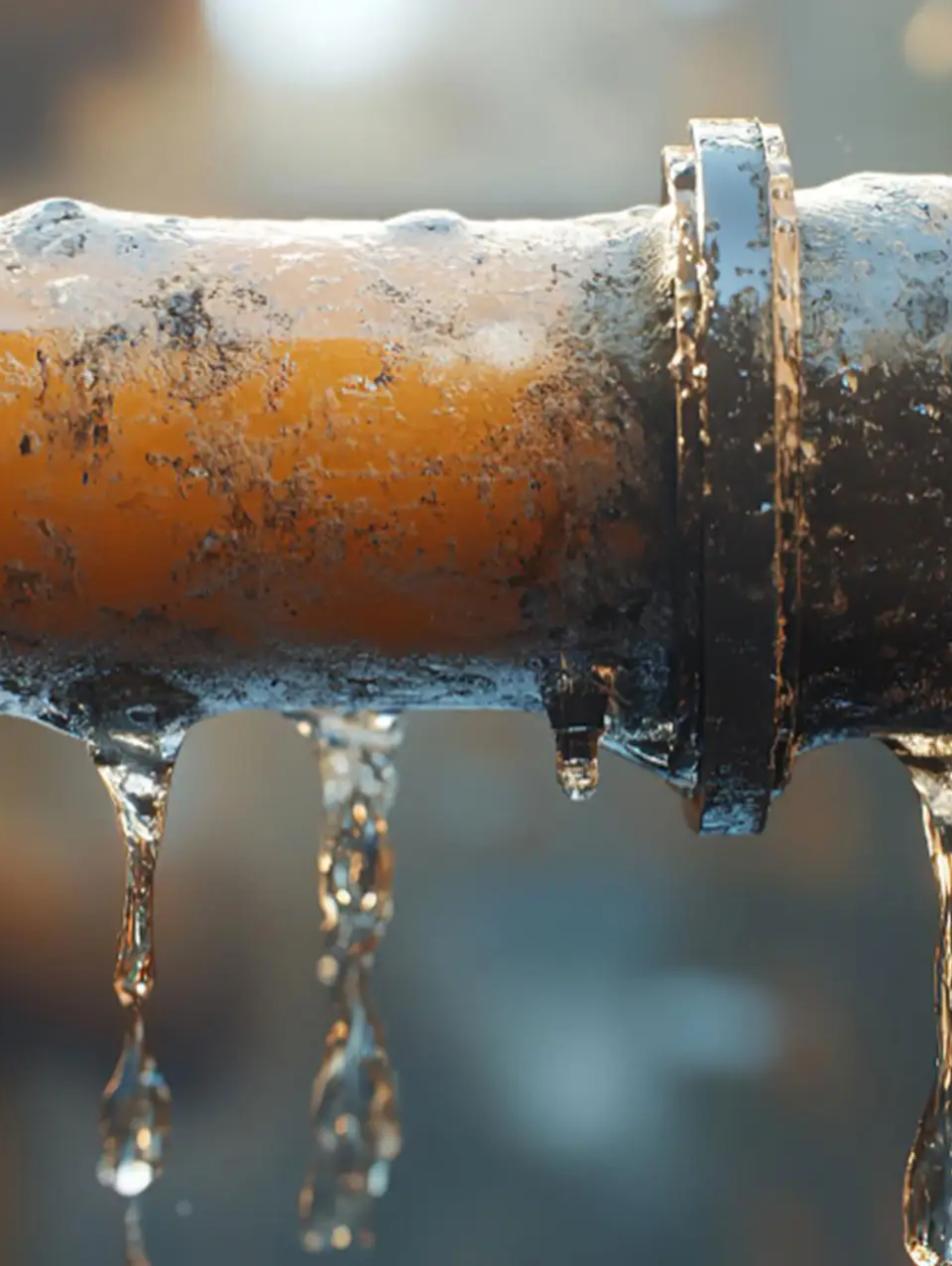
A burst pipe can quickly flood parts of a home, soaking floors, walls, and belongings before you even realize what’s happening. In these situations, acting fast matters most – start by shutting off the main water supply and staying clear of any areas where water may have reached electrical components or appliances.
If you cannot safely reach the water shutoff or believe water has entered electrical systems, do not put yourself at risk. Leave the affected area and contact the appropriate professional. Safety should come before cleanup.
Once the water source is stopped, document the damage with photos and call a plumber to repair the pipe. Then, contact a water damage restoration company to begin cleanup, drying, and moisture testing. Burst pipe water damage can spread behind walls, under flooring, and into hidden building materials, so removing visible water is only part of the process.
The sooner the affected areas are assessed, the easier it can be to identify where moisture has traveled. Water does not always remain where it first appears. It can move through seams, insulation, subfloors, drywall, and other building components.
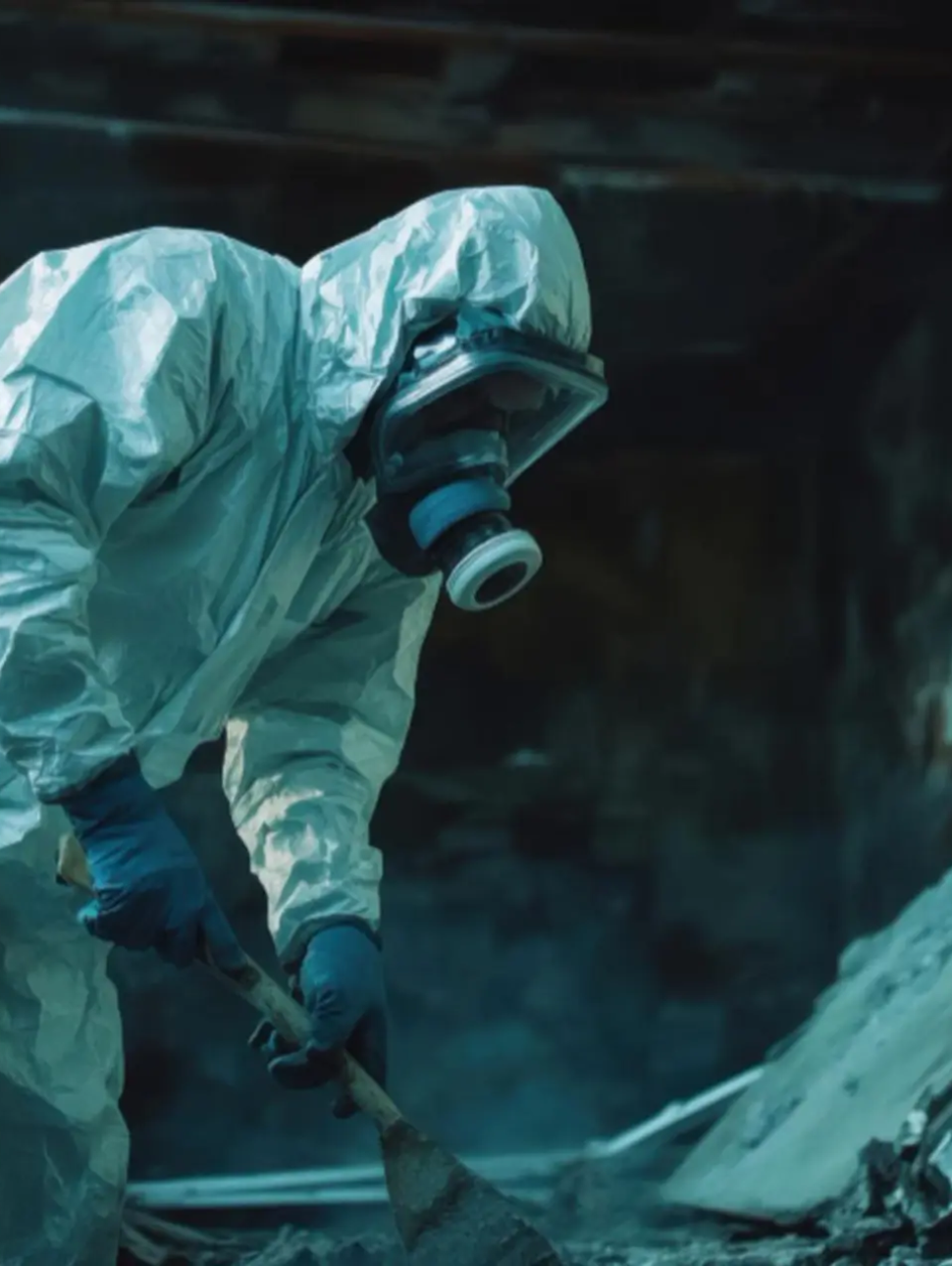
Professional water damage remediation in Dallas may include water extraction, moving affected contents, removing damaged materials, setting drying equipment, monitoring moisture levels, and preparing the home for repairs. Fast drying helps reduce the risk of mold growth, odors, and long-term structural damage.
What to Do After a Burst Pipe
A burst pipe can create a stressful situation, especially when water is still entering the home. Focus on stopping the source and protecting people from immediate hazards before worrying about damaged belongings or finishes.
The basic sequence is:
- Shut off the water supply if it can be done safely.
- Stay away from areas where water may have reached electrical outlets, wiring, appliances, or electrical panels.
- Document visible damage with photos and videos before cleanup when it is safe to do so.
- Contact a plumber to locate and repair the failed pipe.
- Contact a water damage restoration company for assessment, extraction, drying, and moisture monitoring.
These steps address the immediate problem while creating a clearer path toward restoration.
Why Burst Pipe Water Damage Needs Fast Cleanup
Standing water can continue affecting building materials after the pipe has been repaired. Flooring, drywall, insulation, cabinets, and other porous materials may absorb moisture and remain wet even after visible water has been removed.
This is why burst pipe cleanup should involve more than using towels or a household wet vacuum. A restoration assessment can help determine the extent of the water intrusion and identify areas that may require specialized drying.
Fast action can also reduce the time that materials remain wet. This matters because prolonged moisture can contribute to odors, deterioration, and microbial growth.
Water Extraction is Only the First Step
Professional water damage remediation in Dallas may include water extraction, moving affected contents, removing damaged materials, setting drying equipment, monitoring moisture levels, and preparing the home for repairs.
Water extraction focuses on removing standing and accessible water from the property. Depending on the amount of water involved, professionals may use commercial extraction equipment designed to remove water more efficiently than standard household equipment.
After extraction, the restoration process shifts toward drying. Air movement and dehumidification can help remove moisture from affected materials and the surrounding air. The equipment used depends on the size of the affected area, the materials involved, and the moisture conditions found during the assessment.
The goal is to address both visible water and moisture that may remain inside building materials.
Hidden Moisture Can Cause Additional Problems
One of the biggest challenges after a burst pipe is moisture that cannot be seen. Water may travel beneath flooring, behind baseboards, into wall cavities, or beneath cabinets. A dry-looking surface does not necessarily mean the material underneath is dry.
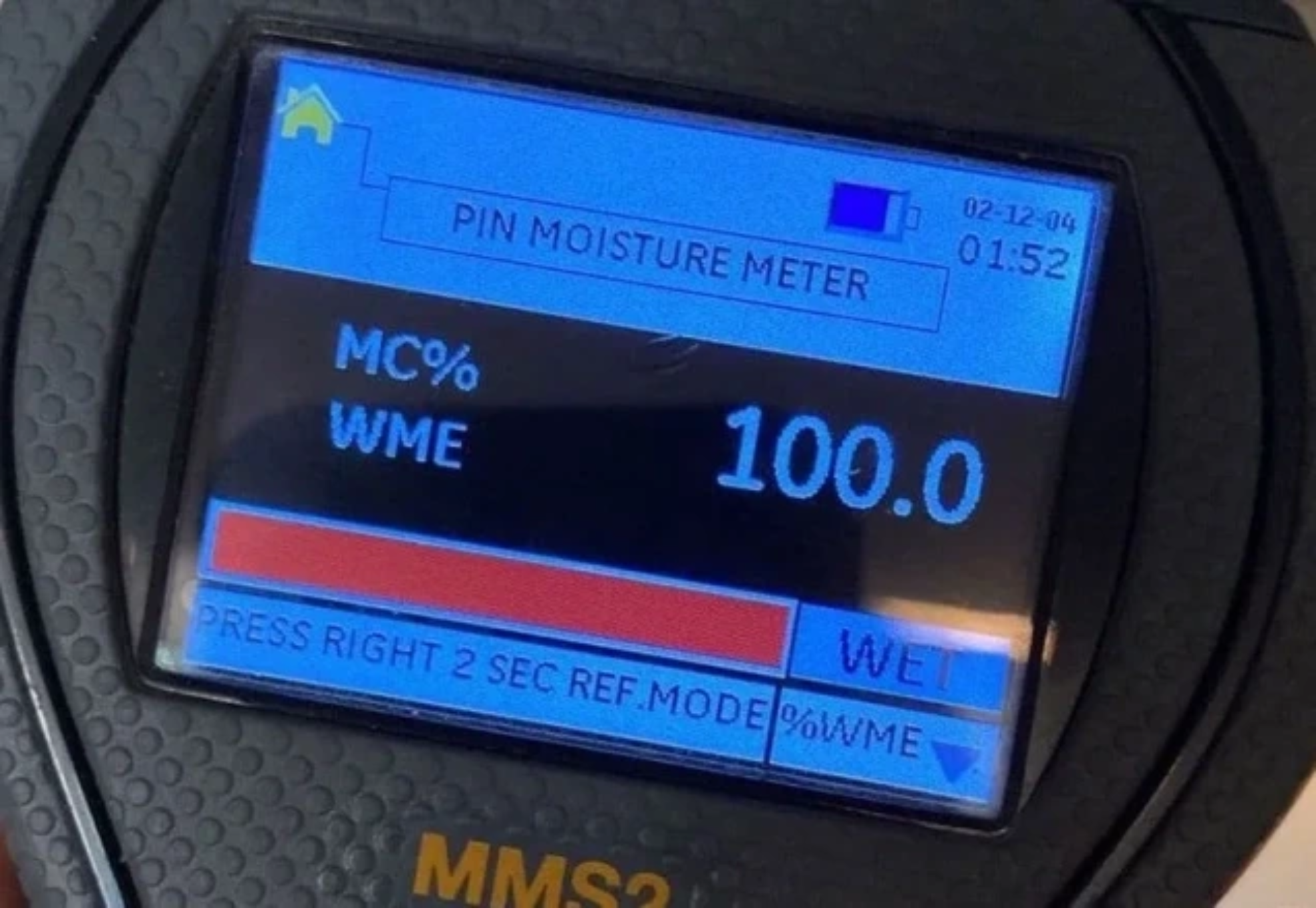
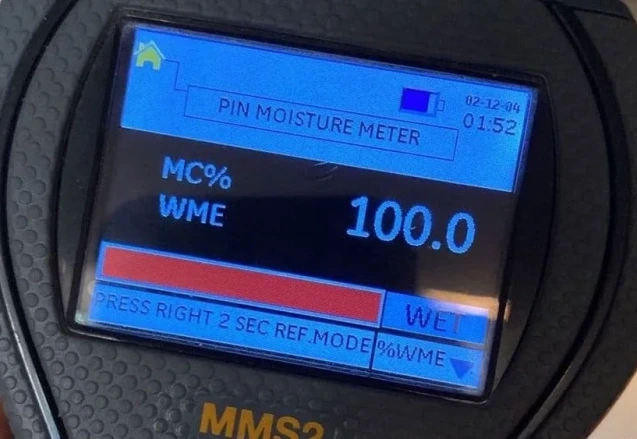
Moisture monitoring can help identify these hidden areas. Restoration professionals may use moisture detection tools to evaluate affected materials and track drying progress. This information helps determine when areas have reached appropriate drying conditions.
Without this step, homeowners may assume the property is dry simply because the standing water is gone. Hidden moisture can remain long after the surface appears normal.
When Damaged Materials Need to Be Removed
Not every wet material needs to be removed. The decision depends on the type of material, the amount of water involved, how long it remained wet, and its overall condition.
Some materials may be dried in place when conditions allow. Others may become too damaged to restore and may need removal before repairs begin. Restoration professionals can assess affected components and determine what can reasonably be dried, cleaned, or restored.
Removing damaged materials can also give drying equipment better access to areas where moisture has become trapped. The restoration plan should account for the condition of the property rather than relying on a one-size-fits-all approach.
How Long Does Water Damage Drying Take?
Drying may take several days depending on materials, moisture levels, and airflow.
The exact timeline for burst pipe water damage cleanup varies from one property to another. A small affected area with limited moisture may dry faster than a home where water has entered multiple rooms or building assemblies.
Material type also matters. Porous materials can absorb and retain water, while other surfaces may release moisture more readily. Airflow, humidity, temperature, and the effectiveness of the drying setup can also affect the timeline.
Rather than relying only on a specific number of days, restoration professionals can monitor moisture levels during the process. This helps show whether drying is progressing as expected.
Can a Burst Pipe Cause Mold?
It can. Mold may grow within 24 to 48 hours if wet materials are not dried properly.
The possibility of mold is one reason homeowners should take water damage seriously. When building materials remain damp, moisture can create conditions that encourage microbial growth. The longer materials stay wet, the greater the concern can become.
If mold is identified after a burst pipe, the affected area may require a separate assessment and restoration approach. Zeus Restoration also offers mold restoration services in Dallas-Fort Worth for properties affected by mold-related damage.
What Happens After the Property is Dry?
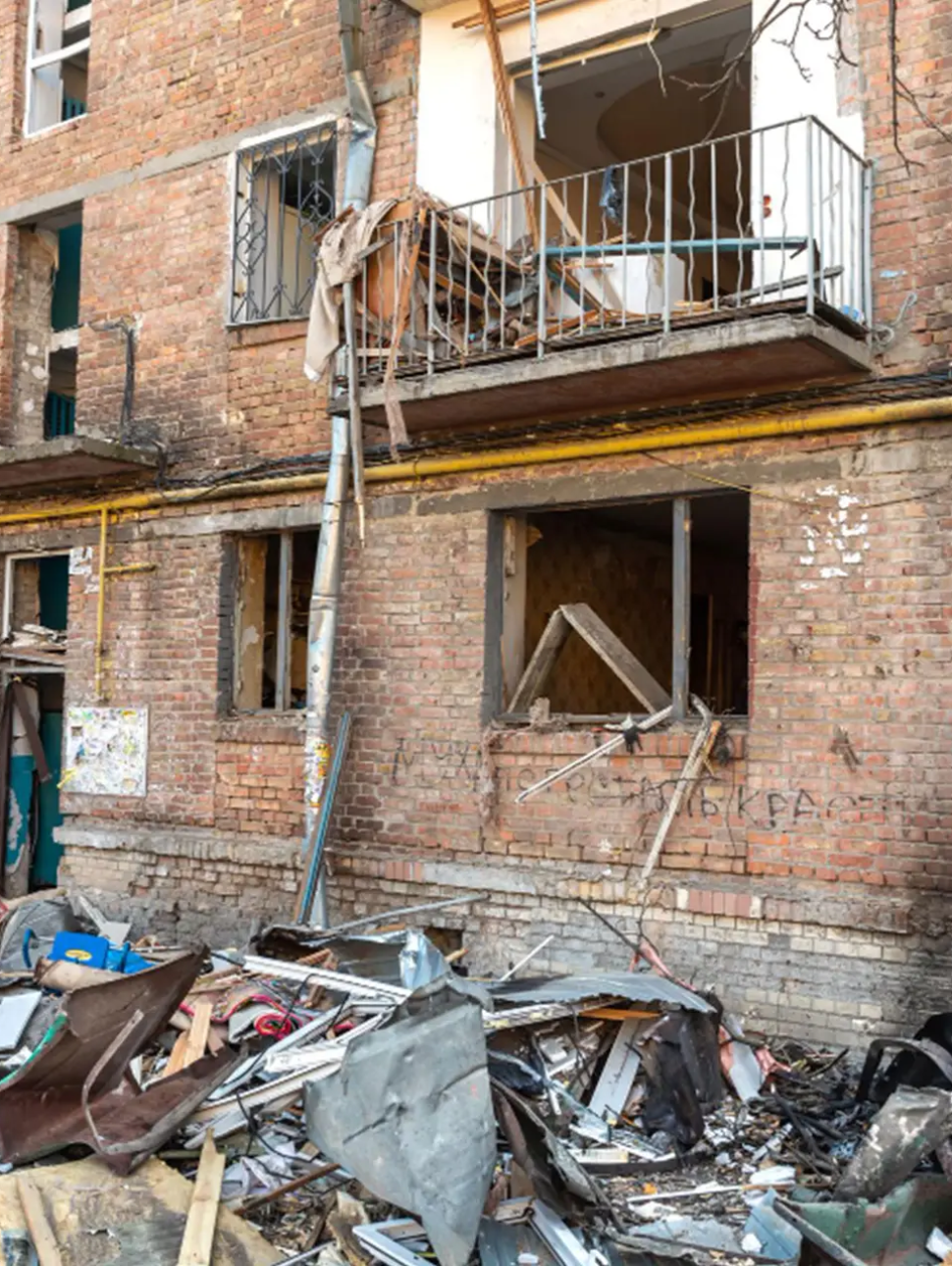
Drying does not necessarily mark the end of the restoration project. Once moisture levels have been addressed, the property may still require repairs to flooring, drywall, cabinets, trim, paint, or other affected components.
The repair stage depends on the extent of the damage and the materials that were removed or affected. Addressing repairs after the property has been properly dried can help prevent new finishes from being installed over unresolved moisture.
A complete restoration process may therefore move from water removal to drying, cleaning, material removal when needed, and repairs. Keeping these stages organized can help homeowners understand what is happening at each point in the project.
Does Insurance Cover Burst Pipe Water Damage?
Many policies cover sudden water damage, but coverage depends on the cause and policy details.
Insurance coverage can vary significantly between policies. Factors such as the source of the water, the circumstances surrounding the pipe failure, and the specific terms of the policy can affect whether certain restoration or repair costs are covered.
Homeowners should contact their insurance carrier promptly when they believe a claim may be appropriate. Take photos and preserve relevant documentation, including information about the plumbing failure and restoration work. Our insurance FAQs explain what is typically covered and what documentation helps.
Why Choose Professional Water Damage Restoration?
A burst pipe can affect much more than the area where water first appeared. Professional restoration focuses on assessing the full extent of the water intrusion, removing excess water, drying affected materials, and monitoring moisture during the process.
For homeowners in Dallas-Fort Worth, Zeus Restoration approaches water damage restoration as an organized process designed to address immediate damage and help prepare the property for repairs. Our water damage restoration services can help homeowners navigate cleanup and drying after a plumbing emergency. We also partner with plumbing companies that need a restoration crew on site once the pipe repair is finished.
Zeus Restoration also offers residential restoration services for broader property damage needs.
Frequently Asked Questions
What should I do first after a burst pipe?
Shut off the main water valve, avoid electrical hazards, and call a plumber.
Can I clean up water damage myself?
You can remove small amounts of clean water, but hidden moisture often needs professional drying to avoid unseen damages and potential mold growth.
How long does drying take?
Drying may take several days depending on materials, moisture levels, and airflow.
Will a burst pipe cause mold?
It can. Mold may grow within 24 to 48 hours if wet materials are not dried properly.
Does insurance cover burst pipe water damage?
Many policies cover sudden water damage, but coverage depends on the cause and policy details.