Emergency Water Damage Restoration Near Me: What To Expect When You Call

Emergency Water Damage Restoration Near Me: What To Expect When You Call

Quick Summary

When you need emergency water damage restoration near you, a fast, local response limits how far the water travels. We cover what to do before help arrives, the questions we ask on the phone, and what happens once our IICRC-certified crew reaches your DFW property, from inspection and extraction to drying and moisture checks.

Water doesn’t wait for business hours, and we know how stressful those first minutes feel. A burst pipe, a roof leak, an overflowing toilet, or a failed appliance can reach flooring, drywall, ceilings, insulation, and belongings fast.

If you’re searching for emergency water damage restoration, call a restoration company that offers emergency response, water extraction, drying, and moisture monitoring.

Finding Emergency Water Damage Restoration Near Me in DFW

Distance matters in an emergency, because a nearby crew reaches your door sooner and less water soaks into the structure. Our team is based in Royse City and serves the Dallas-Fort Worth metroplex around the clock. Whoever you call, look for IICRC-certified technicians, quick communication, and experience with insurance claims.

What To Do Before Help Arrives

If you can do it safely, stop the water first. These quick steps limit the damage until we get there:

  • Stop the water: Turn off the main valve or the supply valve behind the fixture.
  • Stay safe: Keep away from standing water near outlets, cords, or the electrical panel.
  • Take photos: A quick video of each wet room helps your insurance claim.

On the phone, we’ll ask what happened, where the water is coming from, how long things have been wet, and whether it’s safe to go inside. Our guide on what to do if a pipe bursts in your home goes deeper on plumbing emergencies.

What To Expect When Our Crew Arrives

Once we’re on site, the work follows a predictable order:

Emergency Water Damage Restoration Near Me: What To Expect When You Call
  • Inspection: We check the affected rooms and use meters to find moisture you can’t see.
  • Extraction: We pump out standing water and move furniture and belongings out of the way.
  • Drying and monitoring: We remove ruined materials when needed, set air movers and dehumidifiers, and take readings until the structure is dry.

Fast drying lowers the risk of mold, odors, and warped floors.

Fast, Local Help When Water Damage Strikes

At Zeus Restoration, we help DFW homeowners and businesses with water damage restoration, commercial restoration, and mold remediation around the clock. Reach our 24/7 team or call (972) 587-6960, and we’ll get a crew headed your way.

FAQs

Who do I call first after water damage?

If anyone is in danger, call 911 first. After that, call a plumber if needed, your insurance company, and our restoration team.

What should I do immediately after water damage?

Stop the water if it’s safe, stay away from wet electrical areas, take photos, and call for help.

Can water damage cause mold?

Yes. Mold can start growing within 24 to 48 hours when materials stay wet.

Can I clean up water damage myself?

A small clean-water spill may be manageable, but bigger losses need professional drying.

What should I expect when the crew arrives?

We’ll inspect the damage, extract water, set up drying equipment, track moisture, and explain each next step.

5 Common Causes Of Commercial Water Damage Business Owners Often Miss

5 Common Causes Of Commercial Water Damage Business Owners Often Miss

Quick Summary

Commercial water damage usually starts small, with a slow plumbing leak, a roof drain that backs up, an HVAC condensate line, a cracked exterior seal, or a sprinkler or appliance failure. We cover how to spot each one, what to do in the first hour, and how our IICRC-certified crew helps DFW businesses keep repair bills and downtime low.

Commercial water damage can start with something as small as a brown ring on a ceiling tile or a mechanical room that smells a little off on Monday morning.

Business owners often miss these quiet moisture problems until they turn into expensive repairs, safety concerns, mold growth, or a closed storefront. We’d like to help you catch them sooner.

Why Commercial Water Damage Often Goes Unnoticed

Water is patient, running along framing, ductwork, and the underside of flooring before anyone notices a stain. Leaks that start at night or over a weekend get a head start, and in a shared building, the drip in your suite may begin upstairs. If a stain, odor, or damp spot comes back twice, it’s worth an inspection.

Five Common Causes Business Owners Often Miss

These are the five sources our technicians keep tracing on commercial calls:

  1. Slow plumbing leaks: A supply line behind a restroom wall can drip for weeks, leaving stained ceiling tiles, damp drywall, a musty smell, or cupped flooring.
  2. Roof and drainage issues: Ponding water on a flat roof, clogged scuppers, worn flashing, or loose seals around rooftop units let water in, sometimes far from the visible stain.
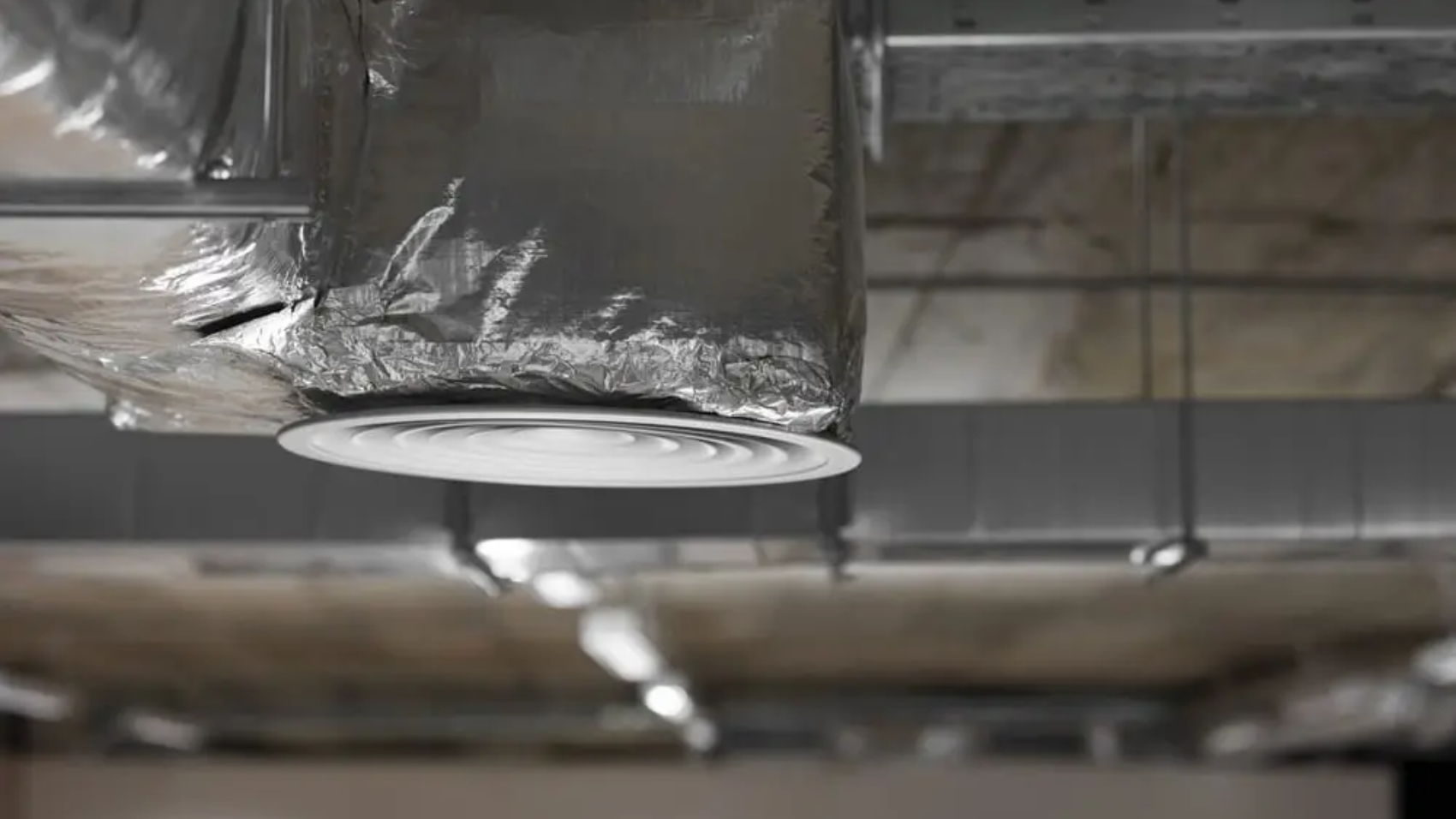
  3. HVAC condensation: A clogged condensate line or rusted drain pan can soak ceiling tiles, and our guide to protecting your property from HVAC leaks covers the warning signs.
  4. Foundation or exterior leaks: Poor grading, cracked sealant, and worn window or door seals let water in during North Texas storms, usually along the lowest wall.
  5. Appliance or sprinkler failures: Ice makers, water heaters, restroom fixtures, and sprinkler lines can fail with little warning, often after hours.

Warning Signs Worth a Closer Look

Bubbling paint, soft drywall, stains that return after cleaning, a humid back office, and unexplained mold are all worth a call. If you spot one, these steps limit the spread:

5 Common Causes Of Commercial Water Damage Business Owners Often Miss
  • Find the source: Turn off the fixture or the nearest shut-off valve if it’s safe to reach.
  • Document the area: Photograph stains, standing water, and damaged stock before anything moves, which helps your insurance claim.
  • Call for drying: Our team brings extraction, moisture mapping, and drying equipment, then handles repairs so you reopen sooner.

Wet drywall, carpet, and insulation can begin to grow mold within 24 to 48 hours. A fast response keeps the repair smaller and your doors open.

Protecting Your Business From Hidden Leaks

At Zeus Restoration, we help DFW businesses with water damage restoration, mold remediation, and repairs, and our IICRC-certified technicians answer 24/7. Schedule a free inspection with our team or call (972) 587-6960, and we’ll help you stop a small problem before it gets expensive.

FAQs

What are early signs of water damage?

Watch for stains, odd smells, peeling paint, soft drywall, and damp spots that keep coming back.

Can a small leak cause major damage?

Yes. A slow leak can soak walls, flooring, insulation, and ceilings for weeks before it’s visible.

How fast should water damage be dried?

As fast as you can. Drying wet materials within 24 to 48 hours lowers the chance of mold growth.

Who handles commercial water damage?

Our commercial restoration team inspects, extracts water, dries materials, and coordinates repairs from start to finish.

How do I prevent future leaks?

Inspect plumbing, the roof, HVAC drain lines, windows, grading, and exterior sealant regularly, and again after major storms.

Burst Pipe Water Damage: Cleanup, Drying, And Repair Steps

Burst Pipe Water Damage: Cleanup, Drying, And Repair Steps

Quick Summary

Burst pipe water damage can spread quickly through floors, walls, ceilings, and personal belongings. The first steps are to shut off the water, avoid electrical hazards, document the damage, and arrange for pipe repairs. Once the source is controlled, professional water damage restoration can address standing water, hidden moisture, damaged materials, and affected contents. Thorough drying and moisture monitoring can help reduce the risk of mold, odors, and further property damage. For homeowners dealing with burst pipe water damage in Dallas-Fort Worth, acting quickly can make the restoration process more manageable.

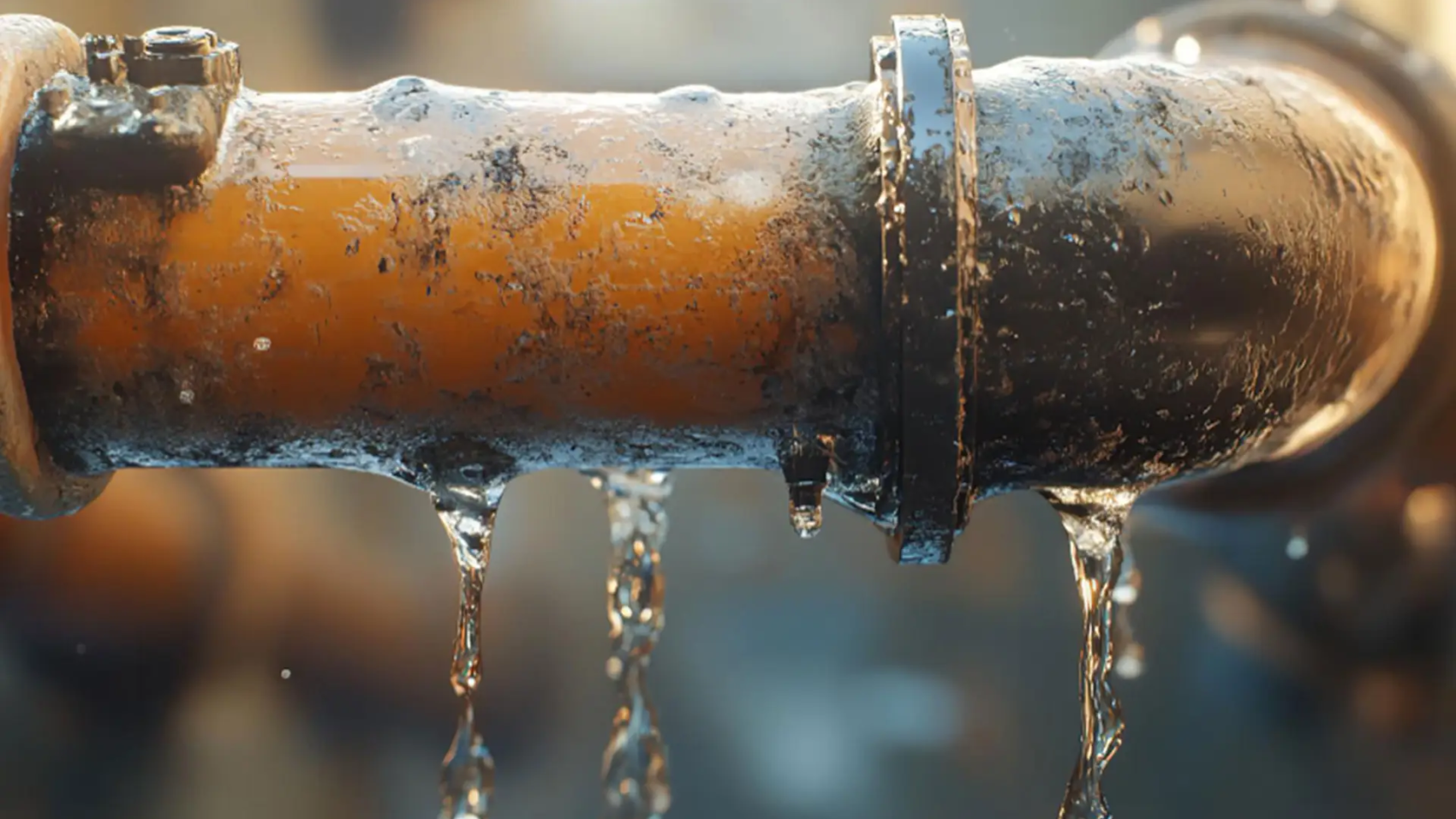
A burst pipe can quickly flood parts of a home, soaking floors, walls, and belongings before you even realize what’s happening. In these situations, acting fast matters most – start by shutting off the main water supply and staying clear of any areas where water may have reached electrical components or appliances.

If you cannot safely reach the water shutoff or believe water has entered electrical systems, do not put yourself at risk. Leave the affected area and contact the appropriate professional. Safety should come before cleanup.

Once the water source is stopped, document the damage with photos and call a plumber to repair the pipe. Then, contact a water damage restoration company to begin cleanup, drying, and moisture testing. Burst pipe water damage can spread behind walls, under flooring, and into hidden building materials, so removing visible water is only part of the process.

The sooner the affected areas are assessed, the easier it can be to identify where moisture has traveled. Water does not always remain where it first appears. It can move through seams, insulation, subfloors, drywall, and other building components.

Professional water damage remediation in Dallas may include water extraction, moving affected contents, removing damaged materials, setting drying equipment, monitoring moisture levels, and preparing the home for repairs. Fast drying helps reduce the risk of mold growth, odors, and long-term structural damage.

What to Do After a Burst Pipe

A burst pipe can create a stressful situation, especially when water is still entering the home. Focus on stopping the source and protecting people from immediate hazards before worrying about damaged belongings or finishes.

The basic sequence is:

  • Shut off the water supply if it can be done safely.
  • Stay away from areas where water may have reached electrical outlets, wiring, appliances, or electrical panels.
  • Document visible damage with photos and videos before cleanup when it is safe to do so.
  • Contact a plumber to locate and repair the failed pipe.
  • Contact a water damage restoration company for assessment, extraction, drying, and moisture monitoring.

These steps address the immediate problem while creating a clearer path toward restoration.

Why Burst Pipe Water Damage Needs Fast Cleanup

Standing water can continue affecting building materials after the pipe has been repaired. Flooring, drywall, insulation, cabinets, and other porous materials may absorb moisture and remain wet even after visible water has been removed.

This is why burst pipe cleanup should involve more than using towels or a household wet vacuum. A restoration assessment can help determine the extent of the water intrusion and identify areas that may require specialized drying.

Fast action can also reduce the time that materials remain wet. This matters because prolonged moisture can contribute to odors, deterioration, and microbial growth.

Water Extraction is Only the First Step

Professional water damage remediation in Dallas may include water extraction, moving affected contents, removing damaged materials, setting drying equipment, monitoring moisture levels, and preparing the home for repairs.

Water extraction focuses on removing standing and accessible water from the property. Depending on the amount of water involved, professionals may use commercial extraction equipment designed to remove water more efficiently than standard household equipment.

After extraction, the restoration process shifts toward drying. Air movement and dehumidification can help remove moisture from affected materials and the surrounding air. The equipment used depends on the size of the affected area, the materials involved, and the moisture conditions found during the assessment.

The goal is to address both visible water and moisture that may remain inside building materials.

Hidden Moisture Can Cause Additional Problems

One of the biggest challenges after a burst pipe is moisture that cannot be seen. Water may travel beneath flooring, behind baseboards, into wall cavities, or beneath cabinets. A dry-looking surface does not necessarily mean the material underneath is dry.

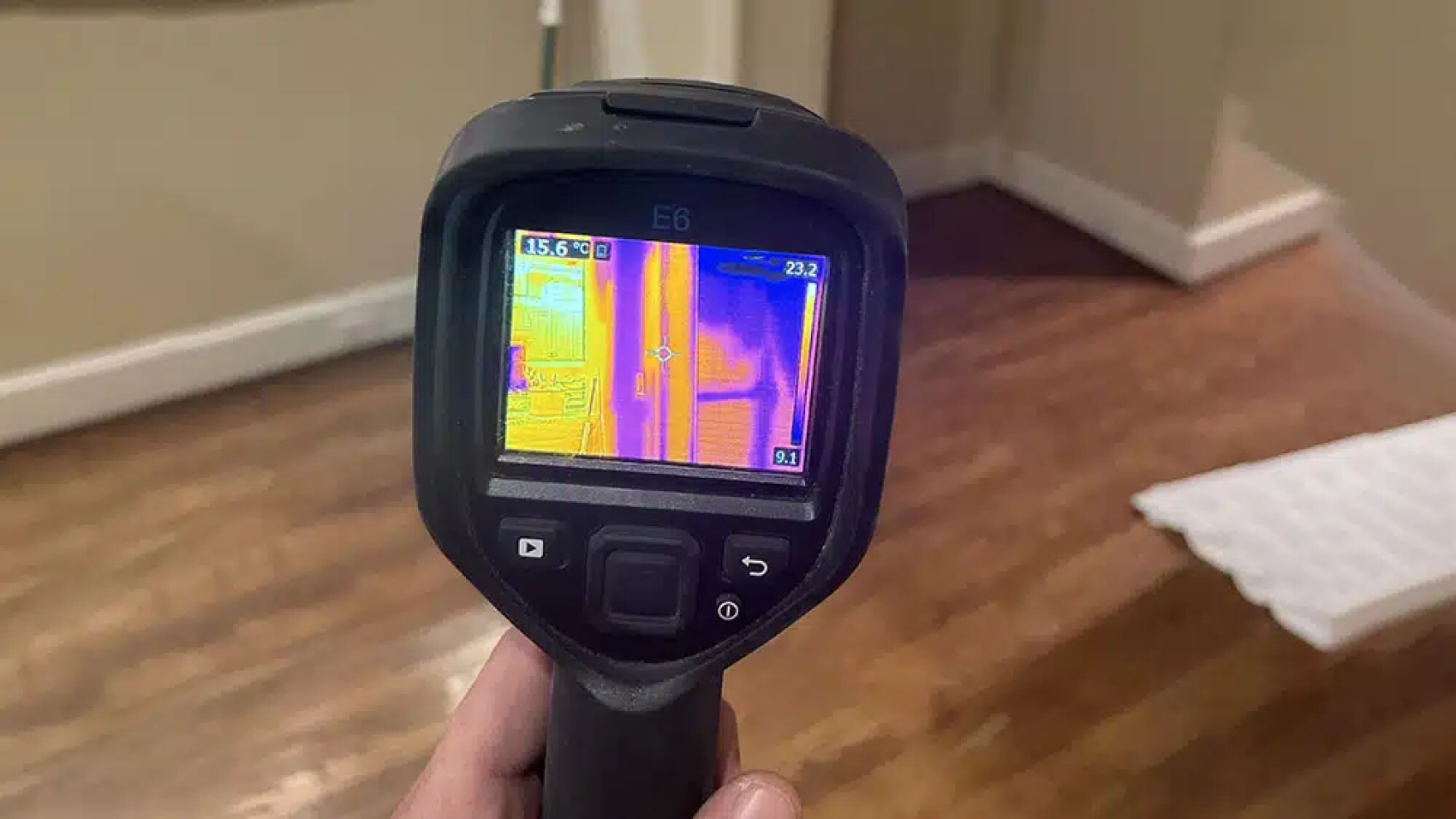
Moisture monitoring can help identify these hidden areas. Restoration professionals may use moisture detection tools to evaluate affected materials and track drying progress. This information helps determine when areas have reached appropriate drying conditions.

Without this step, homeowners may assume the property is dry simply because the standing water is gone. Hidden moisture can remain long after the surface appears normal.

When Damaged Materials Need to Be Removed

Not every wet material needs to be removed. The decision depends on the type of material, the amount of water involved, how long it remained wet, and its overall condition.

Some materials may be dried in place when conditions allow. Others may become too damaged to restore and may need removal before repairs begin. Restoration professionals can assess affected components and determine what can reasonably be dried, cleaned, or restored.

Removing damaged materials can also give drying equipment better access to areas where moisture has become trapped. The restoration plan should account for the condition of the property rather than relying on a one-size-fits-all approach.

How Long Does Water Damage Drying Take?

Drying may take several days depending on materials, moisture levels, and airflow.

The exact timeline for burst pipe water damage cleanup varies from one property to another. A small affected area with limited moisture may dry faster than a home where water has entered multiple rooms or building assemblies.

Material type also matters. Porous materials can absorb and retain water, while other surfaces may release moisture more readily. Airflow, humidity, temperature, and the effectiveness of the drying setup can also affect the timeline.

Rather than relying only on a specific number of days, restoration professionals can monitor moisture levels during the process. This helps show whether drying is progressing as expected.

Can a Burst Pipe Cause Mold?

It can. Mold may grow within 24 to 48 hours if wet materials are not dried properly.

The possibility of mold is one reason homeowners should take water damage seriously. When building materials remain damp, moisture can create conditions that encourage microbial growth. The longer materials stay wet, the greater the concern can become.

If mold is identified after a burst pipe, the affected area may require a separate assessment and restoration approach. Zeus Restoration also offers mold restoration services in Dallas-Fort Worth for properties affected by mold-related damage.

What Happens After the Property is Dry?

Drying does not necessarily mark the end of the restoration project. Once moisture levels have been addressed, the property may still require repairs to flooring, drywall, cabinets, trim, paint, or other affected components.

The repair stage depends on the extent of the damage and the materials that were removed or affected. Addressing repairs after the property has been properly dried can help prevent new finishes from being installed over unresolved moisture.

A complete restoration process may therefore move from water removal to drying, cleaning, material removal when needed, and repairs. Keeping these stages organized can help homeowners understand what is happening at each point in the project.

Does Insurance Cover Burst Pipe Water Damage?

Many policies cover sudden water damage, but coverage depends on the cause and policy details.

Insurance coverage can vary significantly between policies. Factors such as the source of the water, the circumstances surrounding the pipe failure, and the specific terms of the policy can affect whether certain restoration or repair costs are covered.

Homeowners should contact their insurance carrier promptly when they believe a claim may be appropriate. Take photos and preserve relevant documentation, including information about the plumbing failure and restoration work. Our insurance FAQs explain what is typically covered and what documentation helps.

Why Choose Professional Water Damage Restoration?

A burst pipe can affect much more than the area where water first appeared. Professional restoration focuses on assessing the full extent of the water intrusion, removing excess water, drying affected materials, and monitoring moisture during the process.

For homeowners in Dallas-Fort Worth, Zeus Restoration approaches water damage restoration as an organized process designed to address immediate damage and help prepare the property for repairs. Our water damage restoration services can help homeowners navigate cleanup and drying after a plumbing emergency. We also partner with plumbing companies that need a restoration crew on site once the pipe repair is finished.

Zeus Restoration also offers residential restoration services for broader property damage needs.

Frequently Asked Questions

What should I do first after a burst pipe?

Shut off the main water valve, avoid electrical hazards, and call a plumber.

Can I clean up water damage myself?

You can remove small amounts of clean water, but hidden moisture often needs professional drying to avoid unseen damages and potential mold growth.

How long does drying take?

Drying may take several days depending on materials, moisture levels, and airflow.

Will a burst pipe cause mold?

It can. Mold may grow within 24 to 48 hours if wet materials are not dried properly.

Does insurance cover burst pipe water damage?

Many policies cover sudden water damage, but coverage depends on the cause and policy details.
Rectangle-2-3-637x439-1

Zeus Restoration: Protecting Your Property from HVAC Leaks

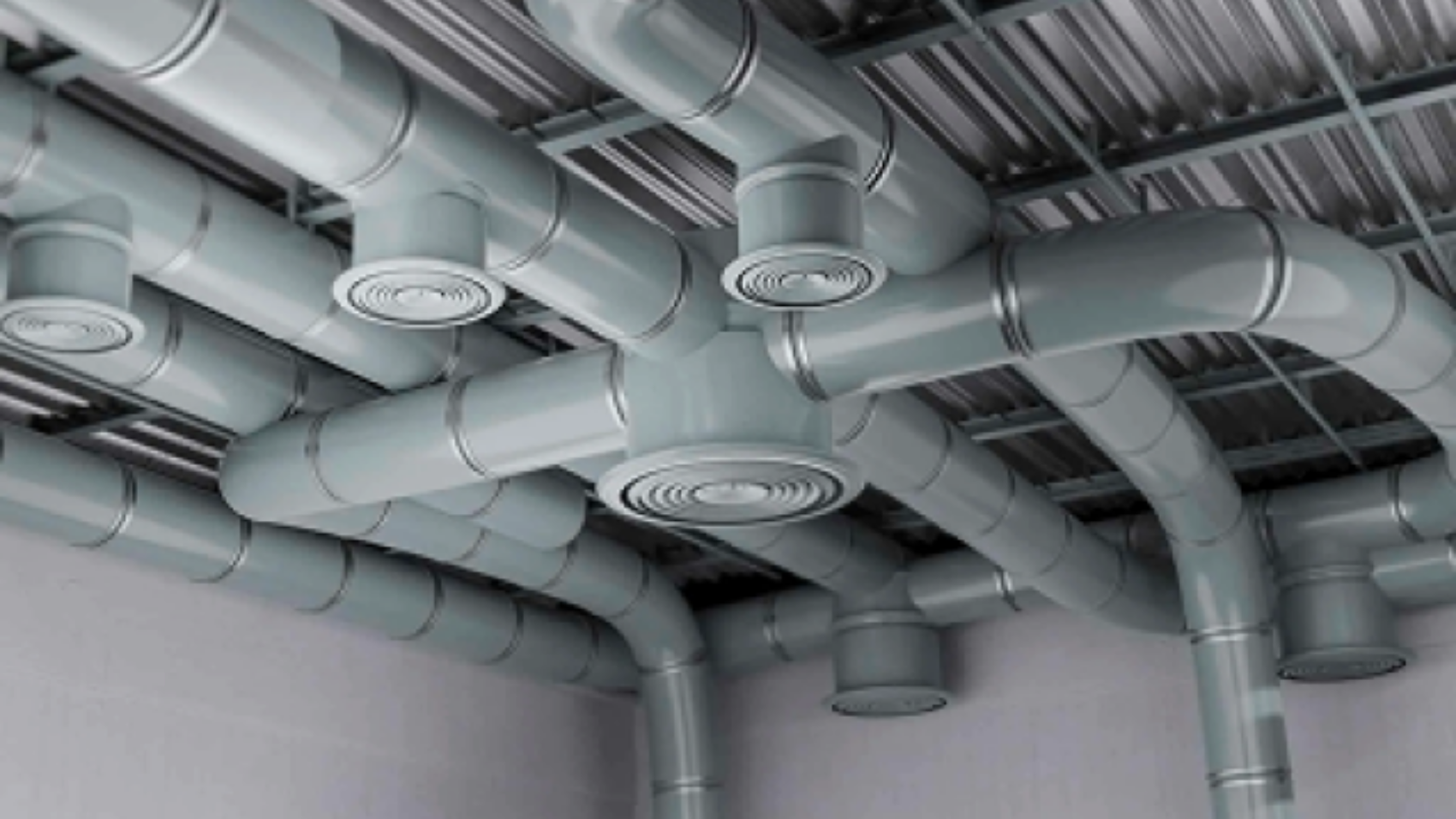
The impact of HVAC leaks goes beyond the immediate water damage they cause. From mold growth to water damage, the repercussions of HVAC leaks can be far-reaching, affecting not only the structural integrity of your property but also the health and well-being of your family or employees. At Zeus Restoration, we understand the urgency of addressing such issues promptly to prevent further damage. Let’s delve deeper into the potential damage caused by leaking HVAC units and explore effective solutions to mitigate these risks.

The Dangers of HVAC Leaks:

Water Damage:

Beyond visible signs of water damage to walls, ceilings, and floors, leaks from HVAC units can seep into hidden spaces, causing structural weakening, warping, and deterioration of building materials.

Mold Growth:

Excess moisture from HVAC leaks creates an ideal environment for mold to thrive. Mold growth not only damages surfaces but also poses serious health risks, especially to individuals with respiratory conditions or allergies.

Electrical Hazards:

Water infiltration from HVAC leaks can reach electrical components, putting your property at risk of electrical malfunctions, short circuits, and even fires.

Indoor Air Quality:

Accumulated water and mold growth from HVAC leaks can compromise indoor air quality, leading to respiratory issues, allergies, and other health concerns.

Solutions to Prevent HVAC Leaks:

Regular Maintenance:

Schedule routine inspections and maintenance for your HVAC system to detect and address potential leaks early.

Install a Leak Detection System:

Consider investing in a leak detection system to provide an early warning of any leaks in your HVAC unit.

Proper Installation:

Ensure your HVAC system is installed correctly by a qualified professional to reduce the risk of leaks and ensure optimal performance.

Monitor Humidity Levels:

Maintain appropriate humidity levels at your property to minimize the risk of condensation and leaks in your HVAC system.

Prompt Repairs:

If you notice any signs of a leak, act swiftly to address the issue before it escalates and causes further damage.

Zeus Restoration: Your Trusted Partner for Emergencies

If you do find yourself facing water damage from an HVAC leak, remember that Zeus Restoration is here to help. Our expert team is dedicated to restoring your property to its pre-damage condition. At Zeus Restoration, “When we restore, we make it better than before.” Contact us at (972) 587-6960 for prompt and professional restoration services to mitigate the effects of water damage and get your property back to its optimal state.

By being proactive in preventing HVAC leaks and knowing you can rely on Zeus Restoration for expert restoration services, you can safeguard your property and maintain a safe, healthy environment.

When We Restore, We Make It Better Than Before.

Rectangle-2-6-637x439

Pipe Insulation: Winterize Your Home & Prevent Frozen Pipes

As winter approaches, it’s crucial to prepare your home for the cold months ahead to avoid potential disasters, such as burst or frozen pipes. The winter of 2021 served as a stark reminder of how unprepared homes can sustain costly damage, especially in crawl spaces. In this blog, we will discuss essential steps to ensure your home is ready for winter, preventing frozen or burst pipes. And if, despite your best efforts, you do encounter plumbing issues, consider reaching out to Zeus Restoration for any water damage needs.

Pipe Insulation:

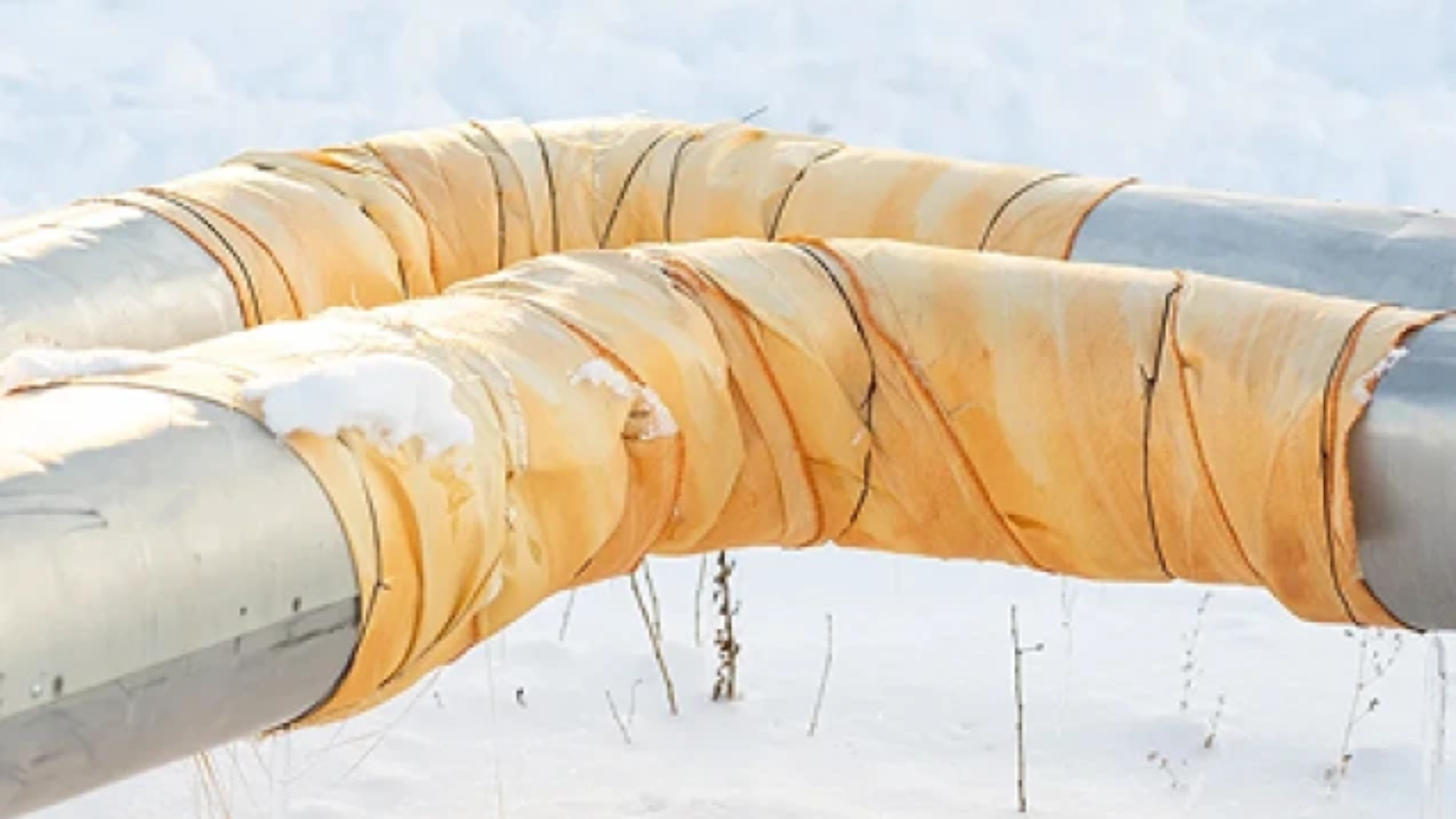
One of the most effective ways to protect your pipes from freezing is to insulate them. Pipes located in unheated areas like crawl spaces and attics are especially vulnerable. You can use pipe insulation sleeves or wrap pipes with heat tape to keep them warm. Additionally, seal any gaps or cracks in the walls to prevent cold drafts from reaching the pipes.

Allow Faucets to Drip:

When temperatures drop significantly, allowing your faucets to drip slowly can prevent pipes from freezing. This continuous flow of water can help release pressure and reduce the chances of pipes bursting. It’s a simple yet effective strategy, especially for pipes on exterior walls.

Maintain Adequate Heating:

Ensure your home is adequately heated, especially during cold spells. Set your thermostat to maintain a consistent indoor temperature, even when you are away. This will help keep the pipes warm and prevent them from freezing. Consider using a smart thermostat to manage your home’s temperature remotely.

Disconnect Garden Hoses:

Garden hoses left connected to outdoor faucets can lead to water freezing in the hose and traveling into your home’s plumbing system. Before winter arrives, disconnect and drain all garden hoses, and install an outdoor faucet cover to protect against freezing temperatures.

Seal Gaps and Cracks:

Sealing gaps and cracks in your home’s exterior is not only an energy-efficient measure but also a way to prevent cold air from reaching your pipes. Use caulk or weather stripping to seal any openings around windows, doors, and foundation vents.

Open Cabinet Doors:

For pipes under sinks in the kitchen and bathrooms, leave cabinet doors open to allow warm air to circulate around them. This can make a significant difference in preventing these pipes from freezing.

Schedule Professional Inspections:

Consider having a professional plumber inspect your plumbing system before winter. They can identify potential issues, such as insufficient insulation or worn-out pipes and address them before the cold weather arrives.

Emergency Preparedness:

In case of unexpected freezing temperatures, know how to shut off your home’s main water supply. This knowledge can be invaluable in preventing further damage if a pipe does burst.

Zeus Restoration: Your Trusted Partner for Emergencies

If you do find yourself dealing with burst pipes or other plumbing issues this winter, don’t hesitate to contact Zeus Restoration at (972) 587-6960. Our team of experienced professionals is ready to provide expert assistance, ensuring your home is restored and any damage is mitigated swiftly and efficiently. With Zeus Restoration, you can enjoy peace of mind, knowing that your home is in good hands, even in the face of unexpected winter emergencies.

When we restore, we make it better than before!