Quick Summary
Mold remediation services address more than visible mold. The process can include identifying the moisture source, assessing affected areas, containing the work zone, removing contaminated materials, cleaning surfaces, drying the structure, and preparing the property for repairs. Mold can develop after leaks, flooding, high humidity, or other moisture problems, including in areas that are difficult to see. Professional mold remediation focuses on addressing both the existing mold and the conditions that allowed it to grow. For homeowners looking for mold remediation in Dallas-Fort Worth, understanding the process can help you determine when professional assistance may be appropriate.
Mold remediation services help identify, contain, remove, clean, and prevent mold growth inside a home or building. If you’re looking for help with mold in Dallas – whether you’re searching for mold removal, dealing with black mold concerns, or trying to figure out how to get rid of mold in your home – the first step is understanding that mold is usually a sign of an underlying moisture issue that needs to be addressed.
Simply removing visible mold without addressing moisture can leave the conditions for future growth in place. That is why professional mold remediation looks at the larger problem rather than focusing only on the surface.
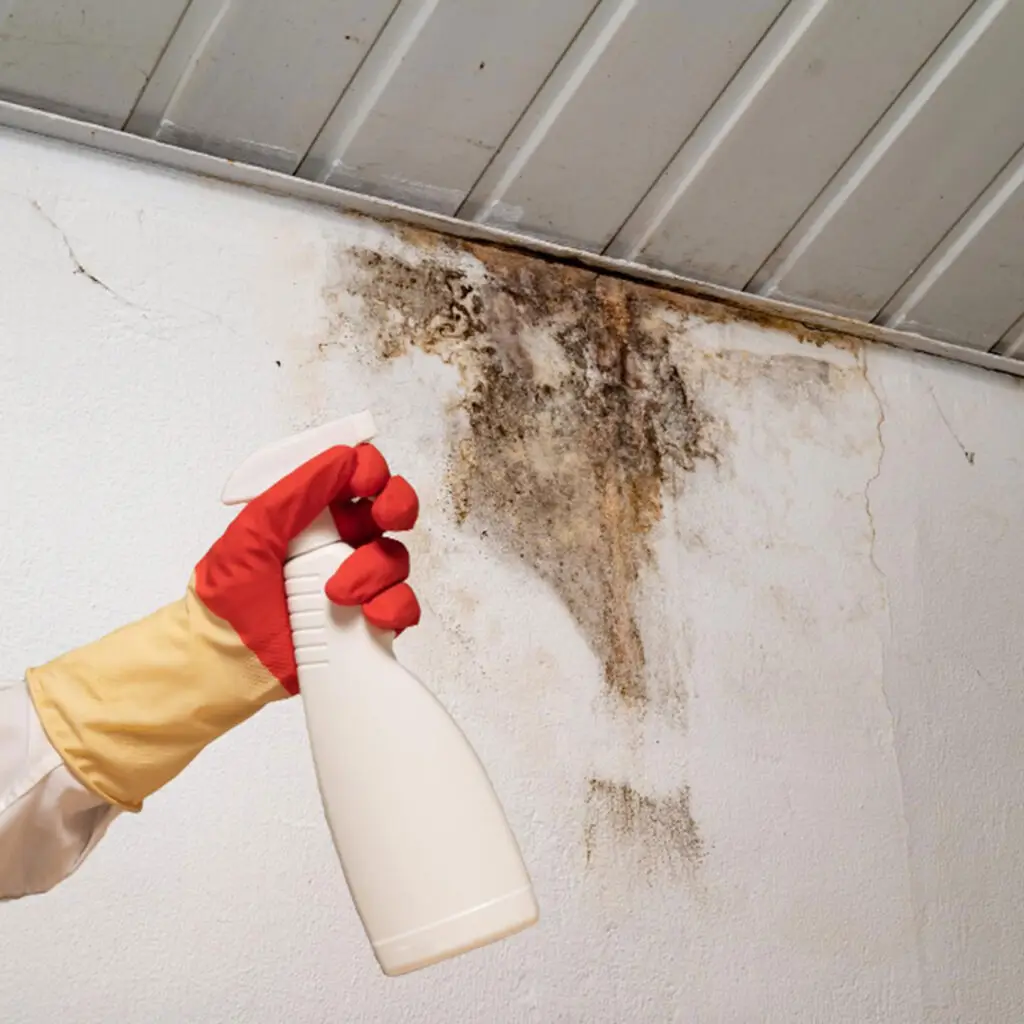
Mold can grow on drywall, flooring, insulation, wood, ceilings, cabinets, and hidden areas after leaks, flooding, humidity, poor ventilation, or even moisture being trapped behind something like wallpaper. Black mold is a common concern, but color alone does not determine how harmful mold may be. Any indoor mold should be addressed because it can affect air quality and may cause allergy-like symptoms, asthma flare-ups, coughing, irritation, or other issues for sensitive people.
Mold can develop in both obvious and hidden locations. A musty odor, visible spotting, water staining, or a history of moisture damage may indicate that further assessment is needed. Because mold can grow inside wall cavities or beneath certain materials, visible growth does not always show the full extent of the problem.
What Do Mold Remediation Services Include?
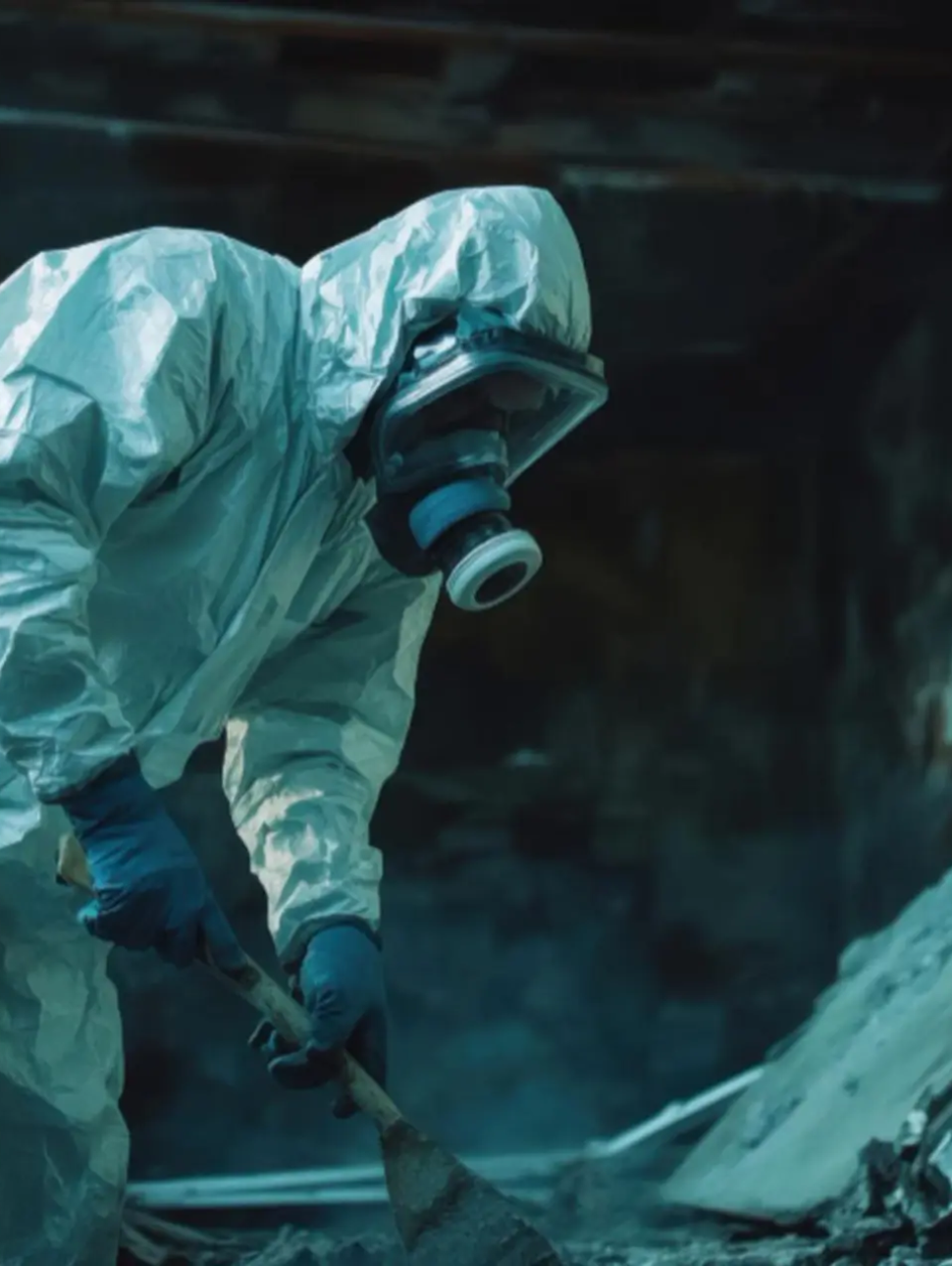
A professional mold remediation company begins by finding the moisture source, assessing affected materials, and creating a containment plan so that the mold does not travel to other parts of your home during the removal process. The process may include sealing off the area, using air filtration, removing contaminated porous materials, cleaning surfaces, drying the structure, and verifying the area is ready to rebuild.
The exact steps depend on the size and location of the affected area, the materials involved, and the source of moisture. A small area with surface growth may require a different approach from widespread contamination following a flood or long-term leak.
A typical mold remediation project may involve:
- Identifying the source of moisture
- Assessing visible and potentially hidden affected areas
- Creating containment around the work area
- Using appropriate air filtration and protective measures
- Removing materials that cannot be effectively cleaned
- Cleaning affected surfaces
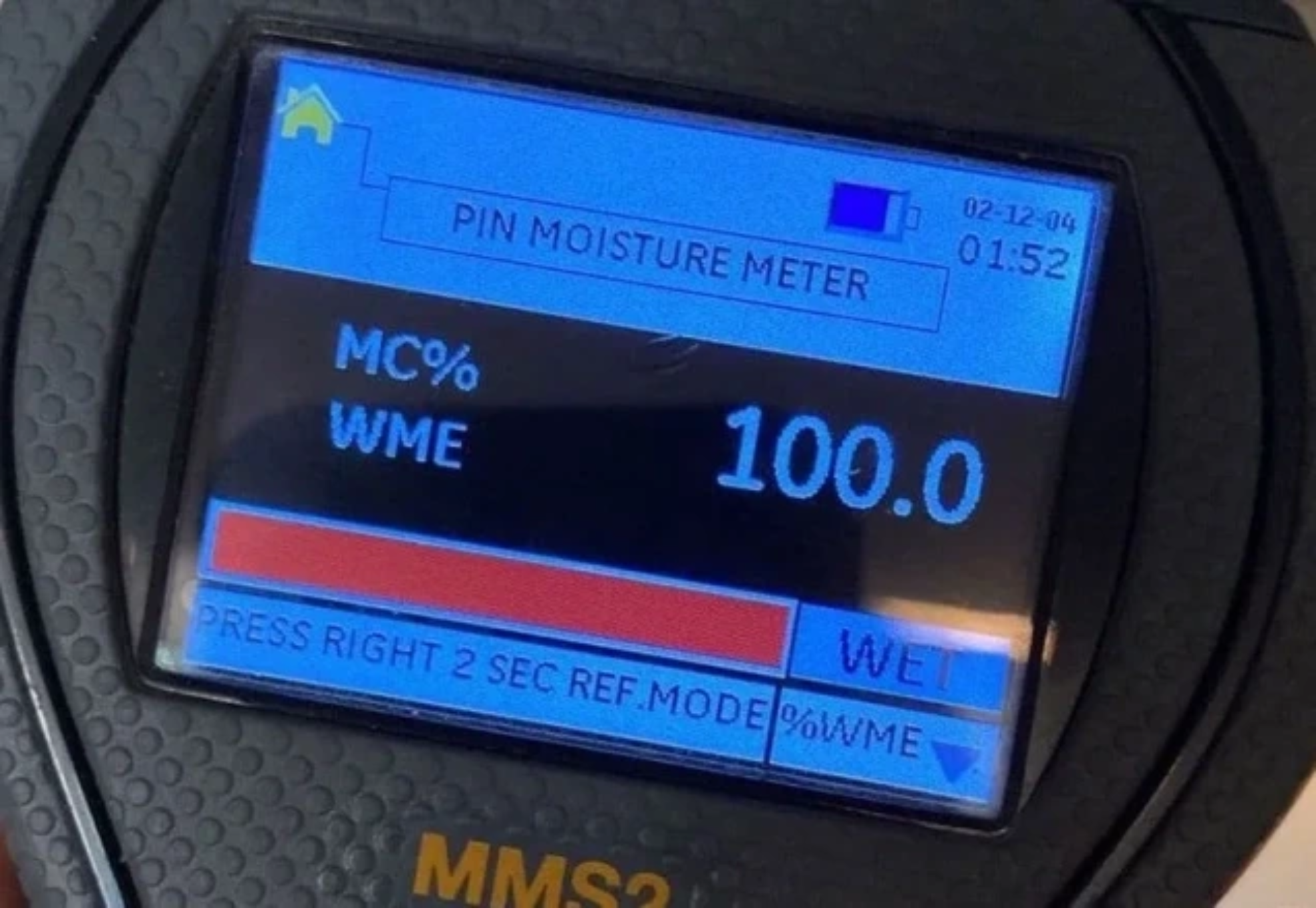
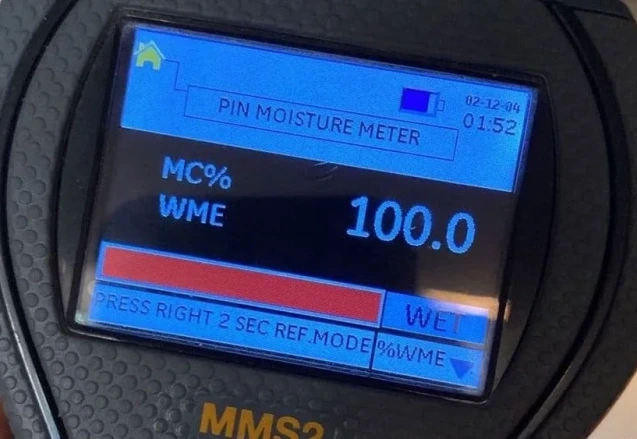
- Drying damp building materials
- Addressing the conditions that contributed to mold growth
- Preparing the area for reconstruction when necessary
The goal is not just to clean visible mold, but to correct the conditions that allowed mold growth in the first place.
Why is Moisture Control Important?
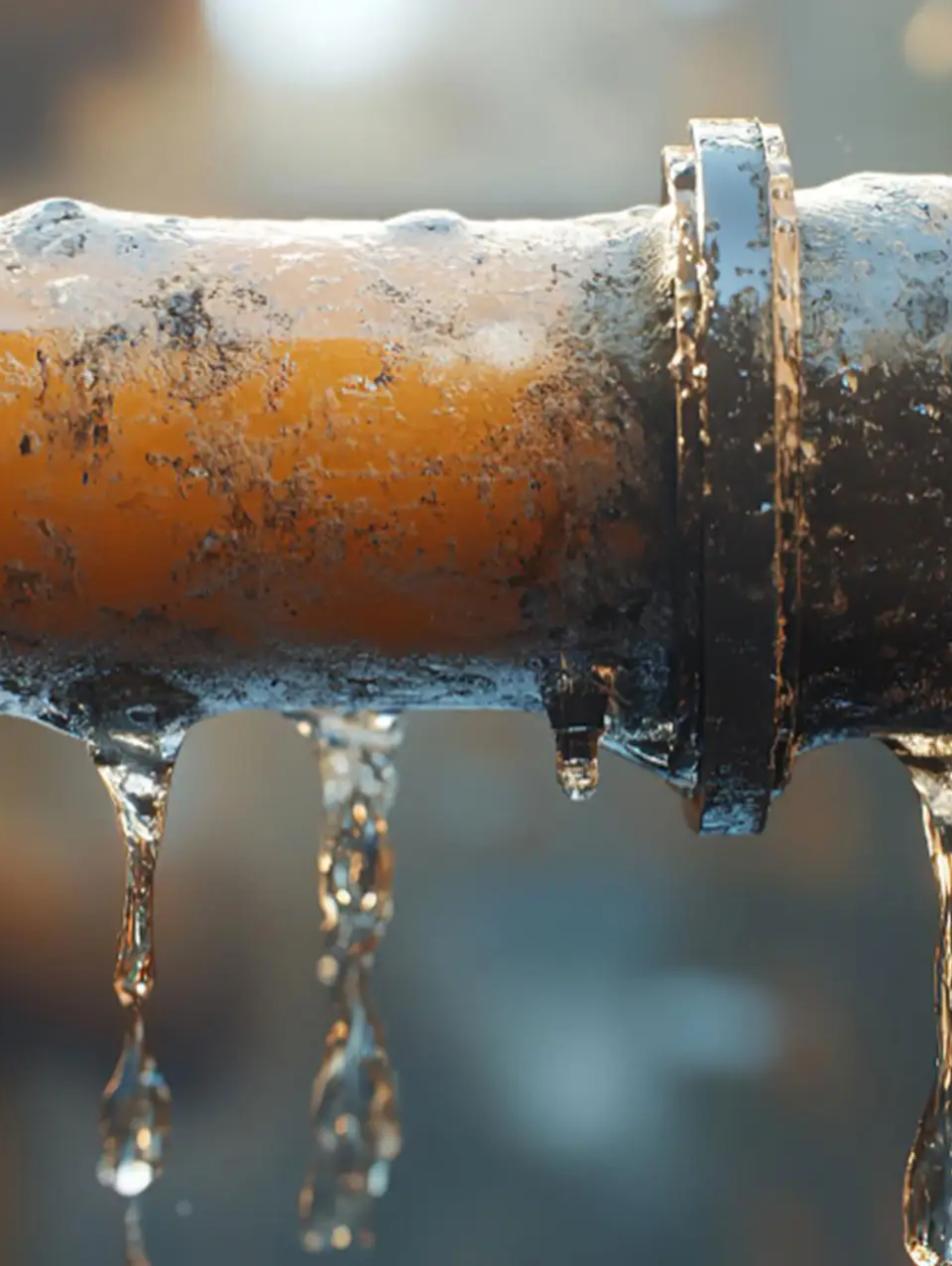
Moisture is one of the main conditions that allows mold to grow. Leaking plumbing, roof leaks, flooding, condensation, high indoor humidity, and inadequate ventilation can all introduce or maintain moisture inside a building.
If the moisture source remains unresolved, cleaning alone may not address the underlying problem. For example, removing mold from a wall while moisture continues entering the wall cavity can leave the same area vulnerable to recurring growth.
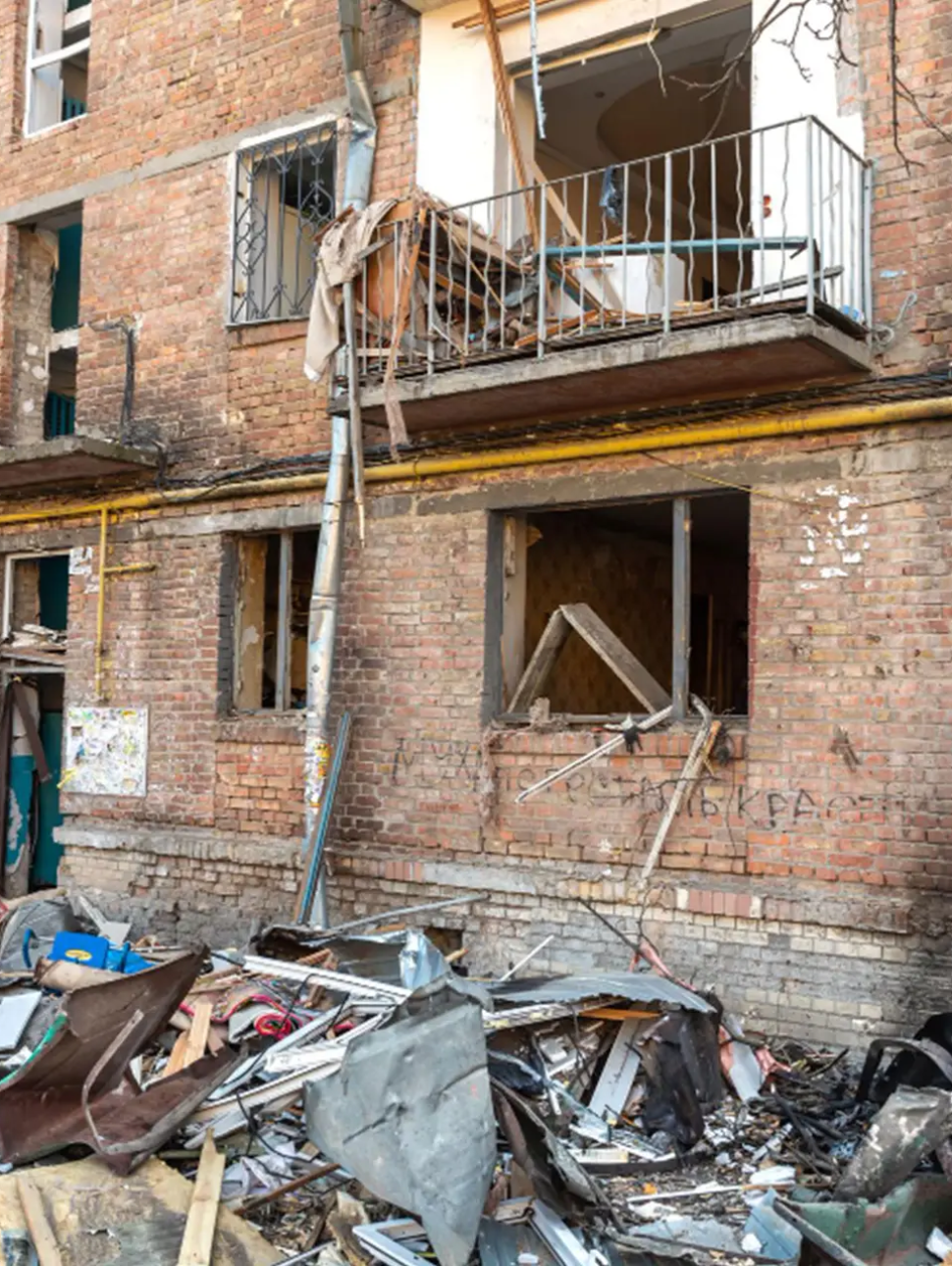
This is why mold remediation and water damage restoration can sometimes overlap. A property that develops mold after a plumbing leak or flood may require both moisture correction and mold-related restoration. Zeus Restoration also offers water damage restoration services for DFW homeowners dealing with water-related property damage.
How Does Mold Containment Work?
Containment is intended to limit the movement of mold-containing dust and debris from an affected area into unaffected parts of the property. The setup can vary depending on the size and location of the affected area.
A remediation team may isolate the work zone and use appropriate air filtration equipment during the project. These measures help keep the remediation area controlled while affected materials are being cleaned or removed.
Containment is particularly important when porous materials need to be disturbed. Removing contaminated drywall, insulation, flooring, or other materials can release particles into the surrounding area if the work is not carefully managed.
What Happens to Contaminated Materials?
Some building materials can be cleaned and restored. Others may be too porous, damaged, or contaminated to clean effectively and may need to be removed.
Drywall and certain types of insulation are examples of materials that may require removal when they have sustained significant moisture or mold-related damage. Wood, concrete, metal, and other surfaces may have different cleaning considerations.
The decision should be based on the condition of the material and the circumstances of the contamination. Removing every material that has come into contact with moisture is not always necessary, just as cleaning every visible surface may not address hidden contamination.
Is Black Mold Different From Other Mold?
Black mold is a common concern, but color alone does not determine how harmful mold may be.
People often use the term “black mold” to describe dark-colored mold growth. However, color is not a reliable way to determine the type of mold present or the potential health effects.
Homeowners should focus on addressing visible indoor mold and the moisture conditions that support its growth rather than trying to identify a mold type based only on appearance. If the type or extent of suspected contamination needs to be established, an appropriate environmental professional may be able to assist with assessment and testing.
When Should a Mold Hygienist Be Involved?
In some cases, a mold hygienist or third-party environmental professional may be needed to confirm whether suspected areas are actually mold and to help determine the extent of contamination. This can be especially helpful when mold is hidden, widespread, or difficult to identify visually.
Third-party environmental professionals can have a different role from the company performing remediation. Depending on the circumstances, an independent assessment may help establish the scope of a suspected mold problem or assist with clearance-related decisions after remediation.
Testing is not automatically needed for every visible mold situation. The appropriate approach depends on the property, the suspected contamination, and the questions that need to be answered.
Can Mold Be Hidden Behind Walls?
Yes. Mold can develop in locations that are not immediately visible. Moisture may enter wall cavities, remain beneath flooring, collect behind cabinets, or become trapped beneath wallpaper and other finishes.
Hidden mold may be suspected when there is a persistent musty odor, unexplained staining, a history of water intrusion, or recurring moisture in a particular area. However, these signs do not prove that hidden mold is present. A qualified professional can assess the situation and determine what further investigation may be appropriate.
Avoid opening walls or removing building materials simply because you suspect hidden mold. Unplanned disturbance can spread dust and debris and may make the problem harder to control.
How Do You Stop Mold From Coming Back?
Fix the moisture source, dry affected materials, improve ventilation, and control humidity.
Long-term mold prevention starts with moisture management. Repairing leaks, addressing water intrusion, improving airflow, and keeping indoor humidity under control can help create less favorable conditions for mold growth.
After water damage, affected materials should also be dried properly. This is one reason water damage restoration can play an important role in preventing moisture-related problems from developing into larger restoration issues.
Homeowners should also pay attention to recurring condensation, plumbing leaks, roof problems, and areas where ventilation is poor. A repeated moisture problem deserves attention even when no visible mold is present.
Can You Clean Mold Yourself?
Small surface spots may be cleaned safely, but hidden or widespread mold needs professional help.
The size and location of the affected area matter. Small, isolated surface growth may sometimes be handled by homeowners using appropriate cleaning practices. Larger areas, recurring growth, hidden contamination, or mold associated with significant water damage can require professional assessment.
Homeowners should also consider the source of the moisture before cleaning. If a leak or other water problem continues, cleaning the visible growth without correcting the source may not solve the larger issue.
Why Choose Professional Mold Remediation?
Professional mold remediation is designed to address the entire restoration process rather than simply make visible growth disappear. Assessment, containment, material removal, cleaning, drying, and moisture correction may all play a role depending on the property.
A structured approach can also help limit the spread of mold-containing debris during cleanup. This matters when affected materials are located near bedrooms, living areas, HVAC pathways, or other occupied portions of the home.
Zeus Restoration helps DFW homeowners with mold restoration services. Our services focus on addressing mold-related property damage while considering the moisture conditions that contributed to the problem.
We also offer residential restoration services for homeowners dealing with broader restoration needs.
Frequently Asked Questions
What is mold remediation?
It is the process of containing, removing, cleaning, and correcting mold-related damage.
Is mold removal the same as remediation?
Not exactly. Mold removal focuses on visible mold, while remediation addresses the cause and spread.
Is black mold dangerous?
Black mold can irritate allergies, asthma, and breathing issues, especially in sensitive people.
Can I clean the mold myself?
Small surface spots may be cleaned safely, but hidden or widespread mold needs professional help.
How do I stop mold from coming back?
Fix the moisture source, dry affected materials, improve ventilation, and control humidity.