Quick Summary
Fire damage restoration involves much more than cleaning visible soot or repairing areas touched by flames. A house fire can leave behind smoke residue, odors, water damage, damaged contents, and structural concerns. Once fire officials confirm that the property is safe to enter, homeowners should document the condition, contact their insurance company, and arrange for a professional assessment. Fire restoration may include board-up services, debris removal, smoke and soot cleaning, odor control, water extraction, drying, contents evaluation, and repairs. Understanding the restoration process can help Dallas-Fort Worth homeowners make informed decisions after a fire.
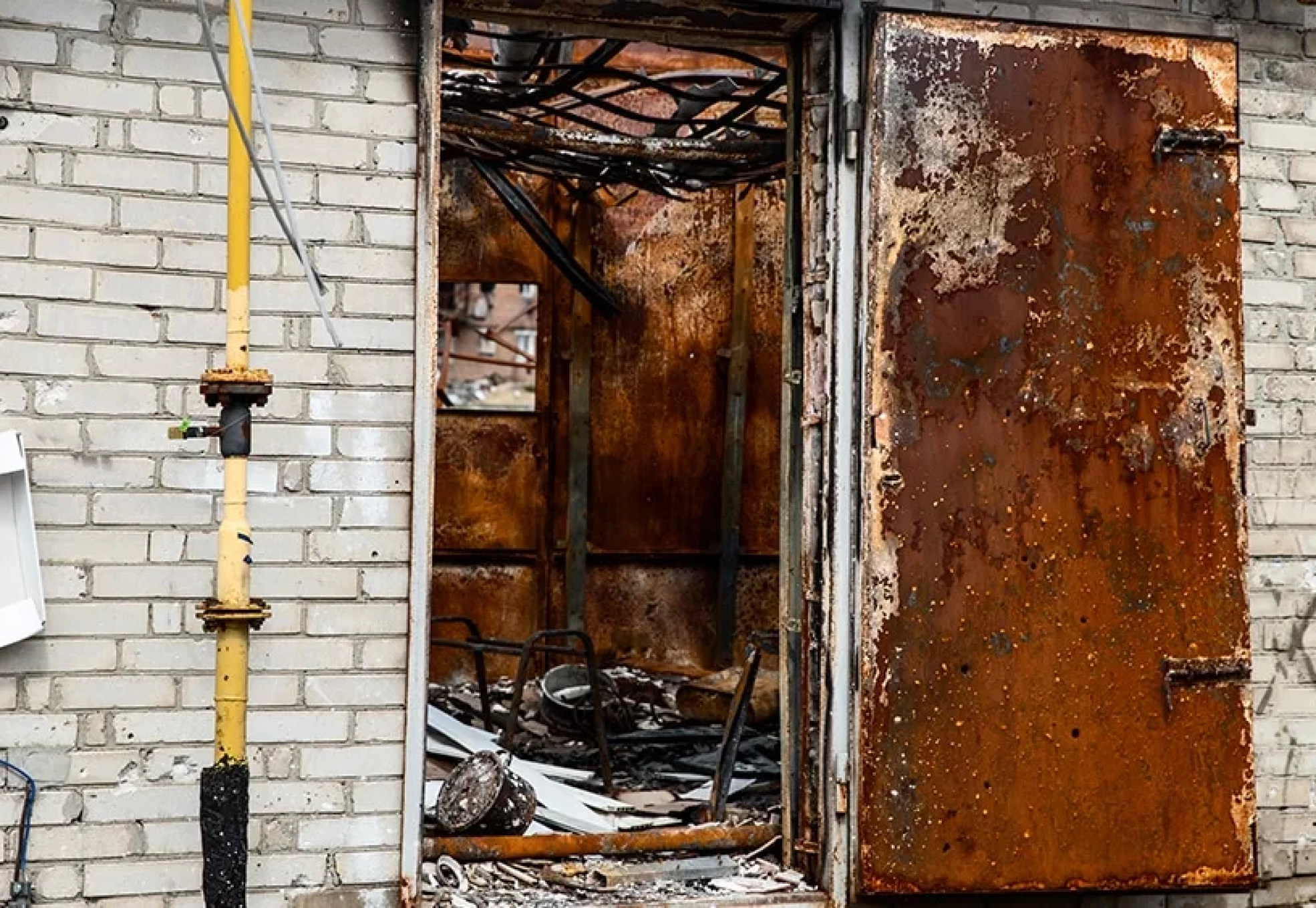
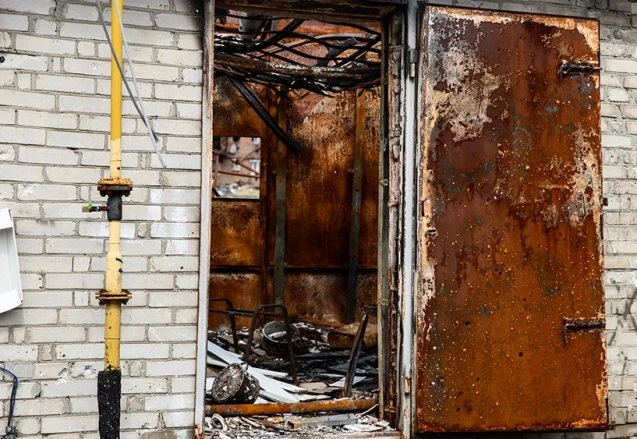
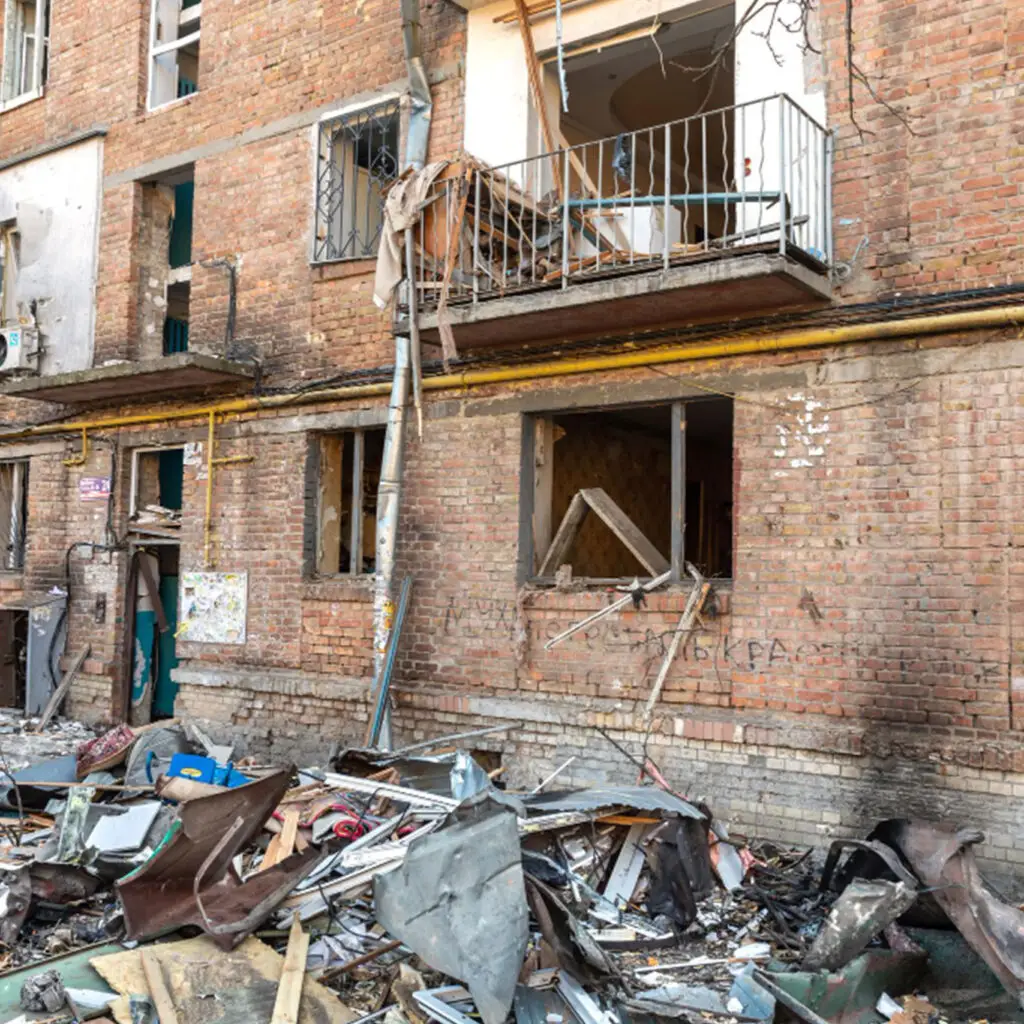
Fire damage can affect far more than the area where flames were visible. After a house fire, homeowners may be dealing with smoke residue, soot, odor, damaged belongings, broken windows, structural concerns, and water damage from firefighting efforts. If you are searching for fire cleanup companies in Dallas or wondering what to do after a house fire, the safest first step is to wait until officials say the home is safe to enter.
Even when flames are contained to one room, smoke and soot can travel throughout a property. Heat can also affect materials beyond the areas where fire was directly visible. Water and firefighting chemicals may create additional damage during suppression efforts. This means a complete assessment should look beyond the most obvious areas of damage.
Once cleared, take photos, contact your insurance company, and avoid wiping soot, moving damaged materials, or turning on utilities without guidance. Fire damage restoration usually includes emergency board-up, debris removal, smoke and soot cleaning, odor control, contents review, drying, and repairs. Knowing how to clean up water damage is also important because wet drywall, flooring, and insulation can lead to mold if not dried correctly.
The restoration process should begin with stabilization and assessment rather than immediately replacing damaged materials. A structured approach can help identify what needs to be cleaned, what can be restored, and what may require removal or repair.
What to Do After a House Fire
The period immediately after a fire can be overwhelming. Before thinking about repairs, focus on safety and documentation. Do not enter the property until the appropriate officials have confirmed that it is safe.
Once entry is permitted, homeowners can:
- Photograph and document visible damage.
- Contact their insurance company to report the loss.
- Avoid disturbing soot-covered surfaces unless advised by a professional.
- Avoid turning utilities back on without appropriate guidance.
- Contact a professional fire damage restoration company for an assessment.
These steps can help establish a record of the property’s condition while reducing the chance of making existing damage worse.
Why Smoke and Soot Require Professional Cleaning
Smoke damage can remain even in areas that were not directly touched by flames. Smoke particles can settle on walls, ceilings, flooring, furniture, fixtures, and personal belongings. The type of residue can vary based on what burned and how the fire spread.
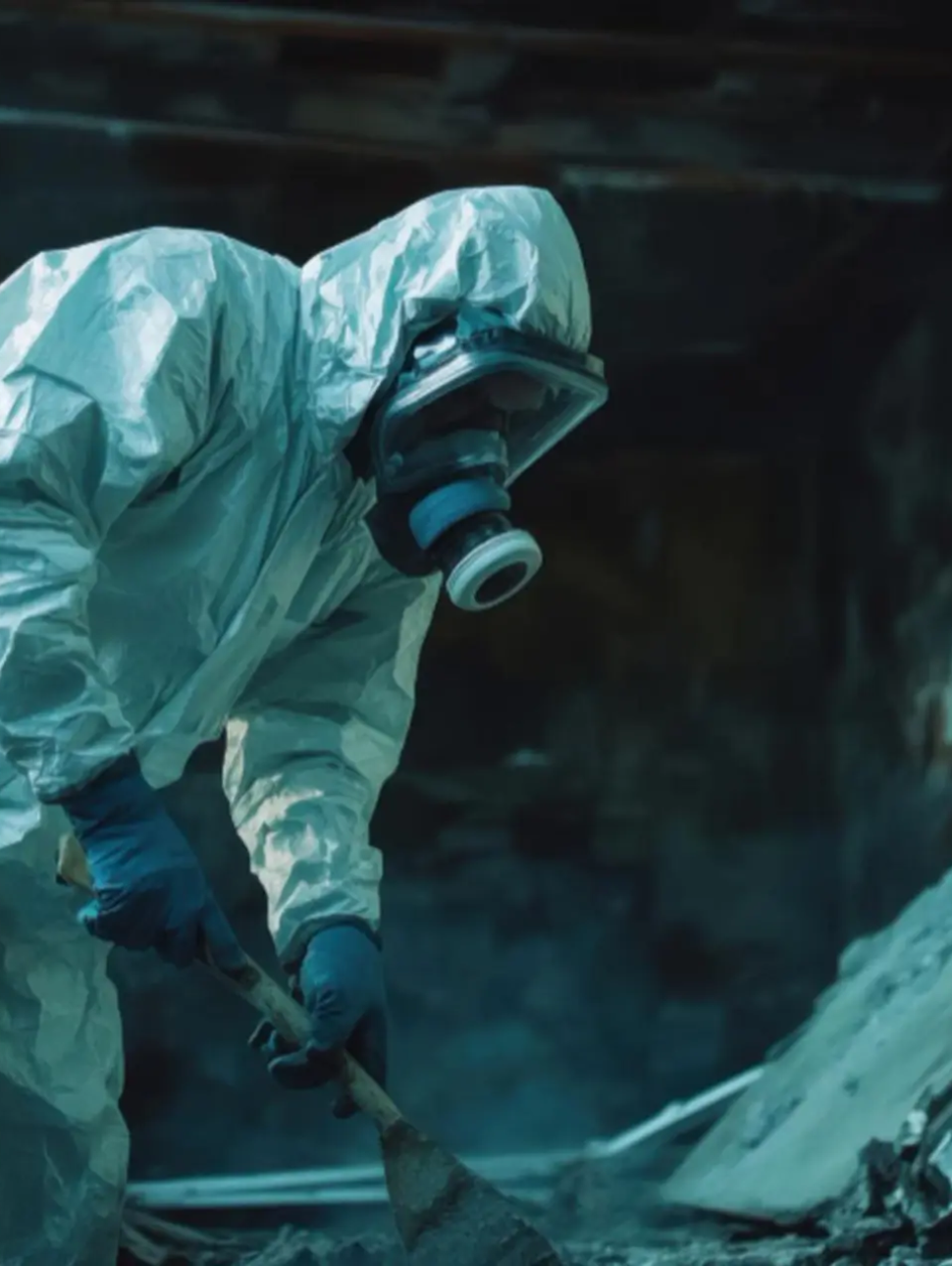
Improper cleaning can make some surfaces harder to restore. Wiping soot without the right method can spread residue across a larger area or push contaminants further into porous materials. Professional smoke damage restoration takes the affected material and condition into account when determining the appropriate cleaning approach.
Cleaning is also only one part of the process. Smoke odors can remain after visible residue has been removed, which is why odor control may be necessary during fire damage cleanup.
Water Damage After a House Fire
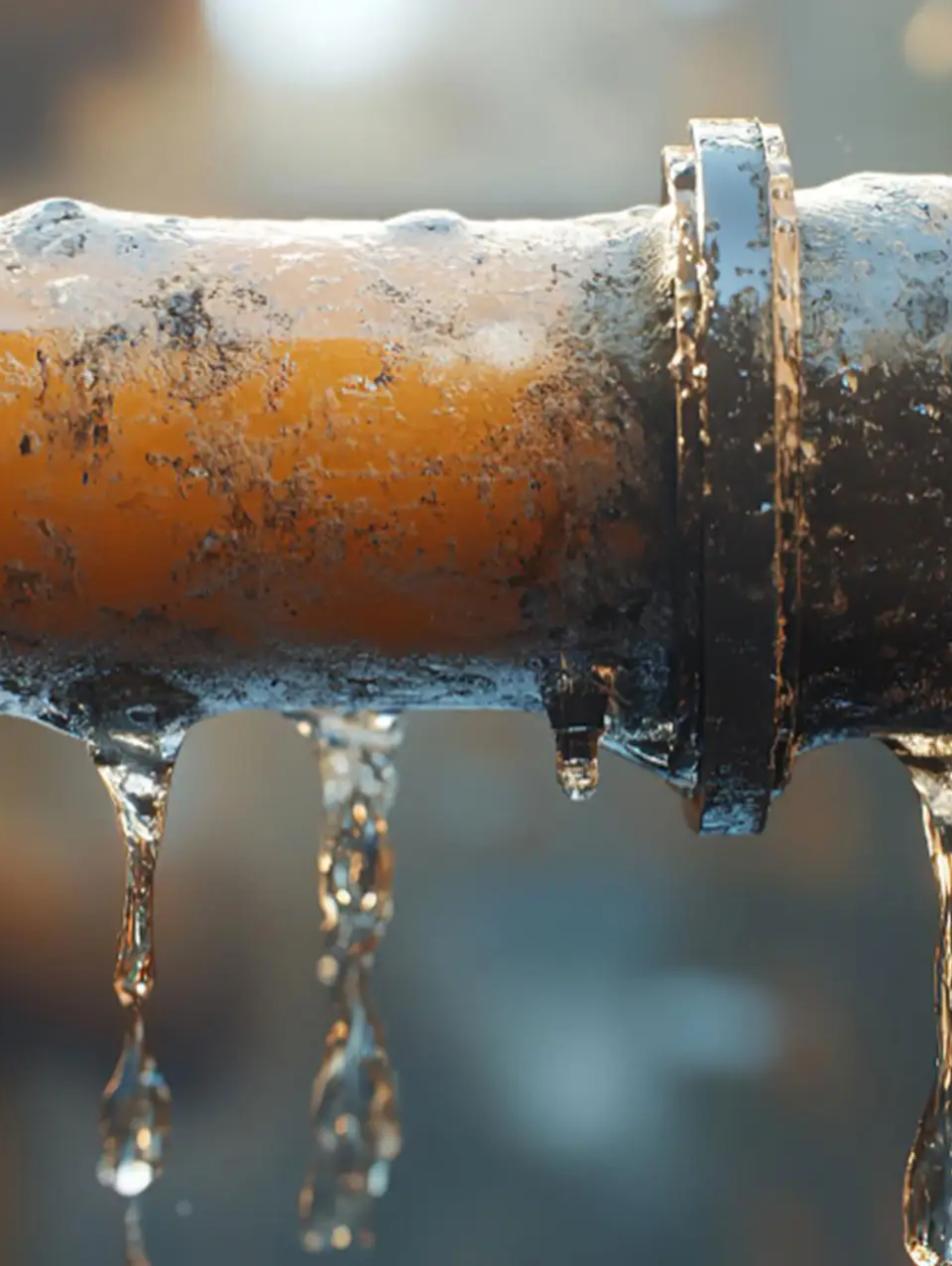
Fire suppression can leave substantial amounts of water inside a home. This water may affect drywall, flooring, insulation, cabinets, furniture, and other materials. Water can also move into areas that are not immediately visible.
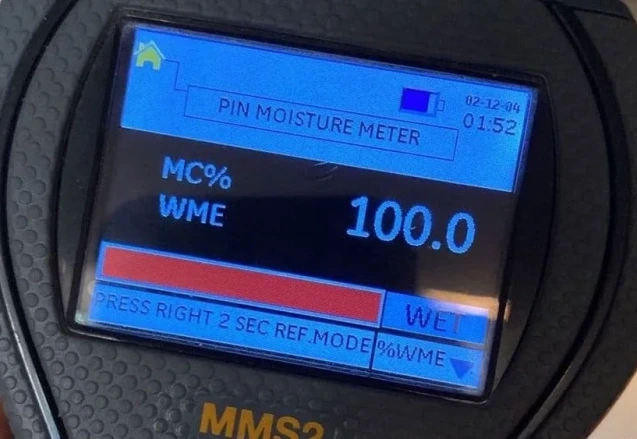
This creates a second restoration concern after the fire itself. If wet materials remain damp, they may deteriorate and can create conditions favorable to mold growth. Water extraction and drying may therefore become part of the fire restoration process.
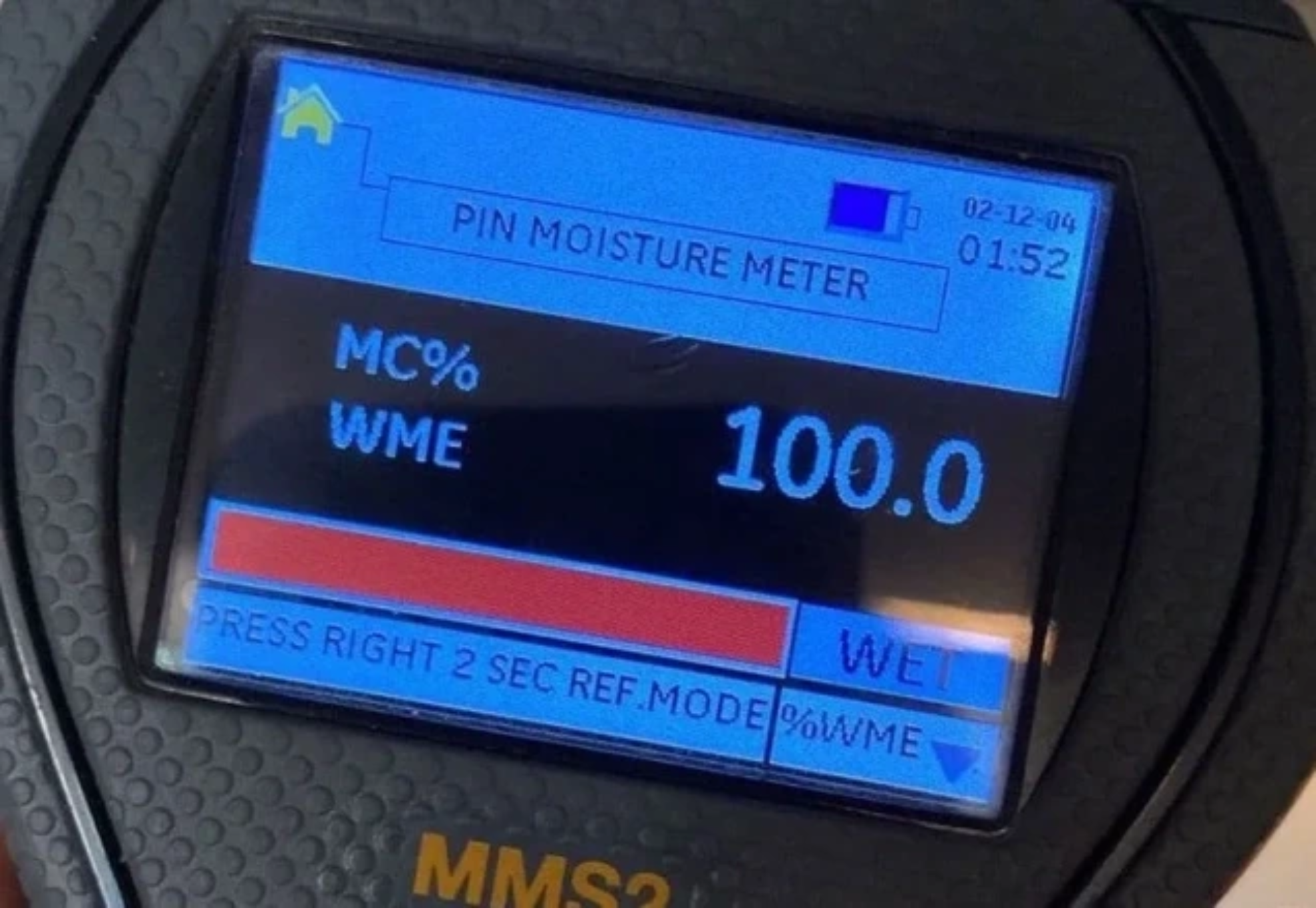
Homeowners searching for information about how to clean up water damage after a fire should avoid assuming that visible water is the entire problem. Moisture can remain beneath flooring, behind walls, and inside other building materials.
Zeus Restoration also offers water damage restoration services in Dallas-Fort Worth to address water-related damage that can occur during or after a fire.
Emergency Board-Up and Property Stabilization
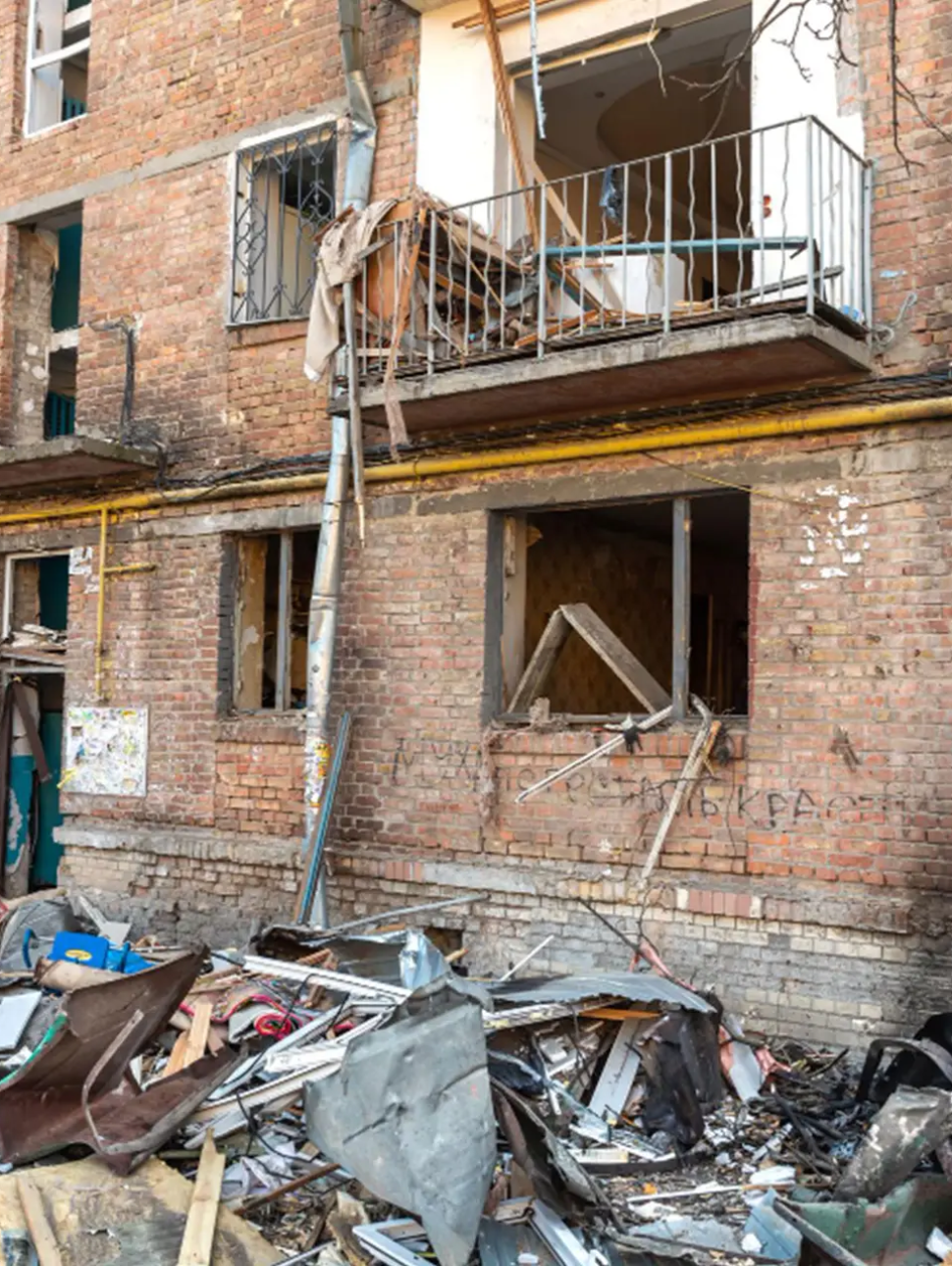
A fire can leave windows, doors, walls, roofing, or other portions of a property exposed. Emergency board-up services can help secure openings while the restoration plan is being developed.
Stabilizing the property is an early part of fire damage restoration because the home may remain vulnerable after the fire has been extinguished. Securing damaged openings can help protect the property from additional exposure while cleaning and repairs are being arranged.
The exact stabilization work depends on the condition of the building and the areas affected by the fire.
Contents Review and Cleaning
Not everything inside a fire-damaged home is necessarily beyond repair. Furniture, clothing, documents, household goods, and other belongings may have different levels of smoke, soot, heat, or water damage.
A contents review can help determine which items may be candidates for cleaning or restoration and which items have sustained damage that cannot reasonably be reversed. Items may need to be documented and carefully handled as part of the overall restoration process.
This step can also help homeowners create a clearer inventory for insurance documentation.
Fire Damage Restoration and Insurance Claims
Insurance documentation can become a major part of the recovery process after a house fire. Homeowners may need to document damaged building materials, contents, emergency services, and other losses.
Zeus Restoration provides customers with a customer care coordinator who can help walk homeowners through steps and documentation with their insurance company when they begin their claim.
Having an organized record of the damage and restoration work can make it easier to communicate with the parties involved in the claim. Homeowners should follow the instructions of their insurance carrier regarding documentation and claim procedures.
How Long Does Fire Restoration Take?
Timing depends on the size of the fire, smoke spread, water damage, and repair needs.
There is no universal timeline for fire damage restoration. A small localized fire may require a very different restoration plan than a larger fire that affects multiple rooms or floors.
The condition of the property after fire suppression also matters. If significant water entered the home, drying may need to occur before certain repairs can begin. Smoke and soot cleaning may also take time, particularly when residue has spread throughout the property.
Structural repairs, contents restoration, odor treatment, and reconstruction can add additional stages to the project. A professional assessment can help homeowners understand the likely sequence of work based on the specific damage.
When Fire Damage Requires Reconstruction
Some properties need more than cleaning after a fire. Heat, flames, smoke, and water can damage drywall, flooring, ceilings, framing, cabinetry, and other building components. Materials that cannot be restored may need to be removed and replaced.
Reconstruction generally follows the stabilization, cleaning, drying, and assessment stages when those services are required. The goal is to return the affected areas to a functional condition while addressing the damage identified during the restoration process.
This makes reconstruction an important part of the recovery process for properties with significant fire damage.
Why Professional Fire Damage Restoration Matters
Fire restoration involves several types of damage that can overlap. Smoke may affect areas far from the fire. Water may remain after suppression. Structural components may need evaluation, while belongings require separate attention.
A professional restoration company can coordinate these concerns as part of a structured process. This can help homeowners understand what is happening, which areas need immediate attention, and what work may follow.
Zeus Restoration serves homeowners throughout the Dallas-Fort Worth area with fire damage restoration services. Our restoration services can address the cleanup, drying, stabilization, and repair needs that may follow a residential fire.
We also offer residential restoration services for homeowners dealing with multiple forms of property damage.
Frequently Asked Questions
What should I do first after a house fire?
Make sure everyone is safe and wait for fire officials to clear the home before entering. Once the house is cleared, a restoration company is able to walk the property with you to help assess the damage and create a protocol.
Can I clean soot myself?
It is best to avoid wiping soot because improper cleaning can smear residue and worsen damage.
Does fire damage include water damage?
Yes. Water used to put out the fire can soak walls, floors, ceilings, and belongings.
How long does fire restoration take?
Timing depends on the size of the fire, smoke spread, water damage, and repair needs.
Who should I call after a house fire?
Call emergency officials, your insurance company, utility providers, and a restoration company.