
Quick Summary
Before demolition or major renovation, asbestos testing can help determine if older building materials contain asbestos. Materials such as popcorn ceilings, floor tiles, insulation, pipe wrap, and joint compound may contain asbestos without showing visible signs. Testing should come before disturbing these materials because cutting, breaking, sanding, or removing them can release airborne fibers. If asbestos is identified, qualified professionals can develop an appropriate asbestos abatement plan before demolition continues. For homeowners looking for asbestos testing in Dallas or asbestos abatement in the Dallas-Fort Worth area, starting with an inspection can help identify potential hazards and determine the next appropriate step.
Before tearing out walls, flooring, ceilings, or insulation, asbestos testing may be needed to confirm whether older materials contain asbestos. Asbestos was once used for strength and fire resistance, but demolition can release fibers into the air and create health risks.
Typically, homes built before 1980 (and in some cases before 1985) should be tested for asbestos before any renovation or demolition work begins.
The age of the property is only one factor to consider. The specific materials being disturbed, the scope of the project, and applicable regulations can also affect testing requirements. If you are planning a demolition project in an older Dallas-Fort Worth home, testing before work begins can help identify materials that require additional precautions.
If you are searching “Asbestos Testing Dallas” or “how to get rid of asbestos in my home,” start with inspection and lab testing, not removal. Popcorn ceilings, floor tiles, pipe wrap, joint compound, and insulation may contain asbestos. If found, asbestos removal or asbestos abatement should be handled with containment, HEPA filtration, and approved disposal.
Why Asbestos Testing Comes Before Demolition
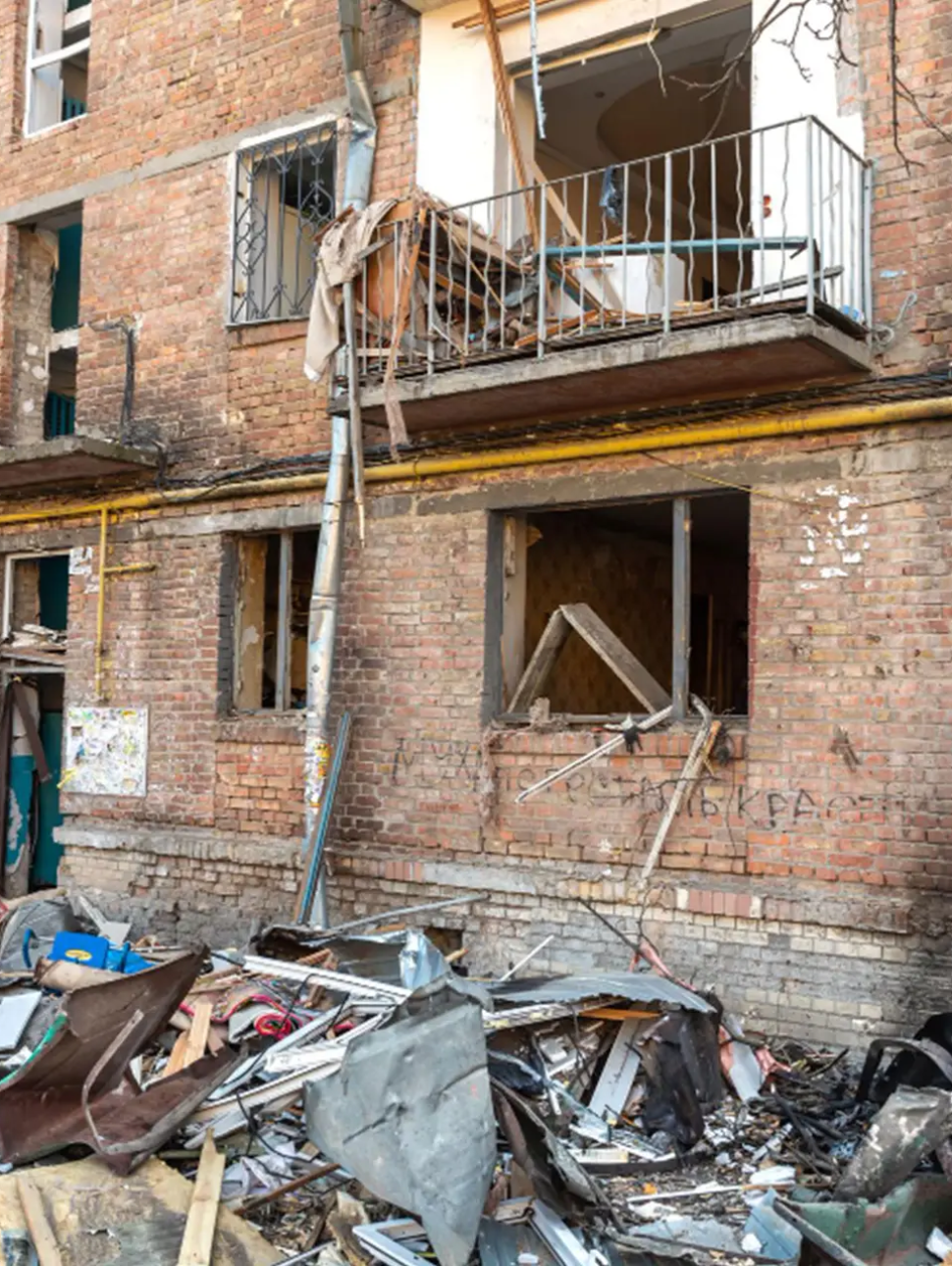
Demolition is designed to disturb and remove building materials. That makes it very different from simply living in an older home. A material that remains intact may not release significant fibers, but demolition activities can break, cut, scrape, or otherwise disturb materials that contain asbestos.
An asbestos inspection can identify materials that may need to be sampled before demolition begins. Laboratory analysis can then determine whether asbestos is present. This information gives property owners and contractors a clearer understanding of what they may encounter during the project.
For homeowners searching for asbestos inspection services in Dallas, the goal is not to assume that every older material contains asbestos. The goal is to identify materials that could present a hazard if disturbed and determine how they should be handled.
Common Materials That May Contain Asbestos
Popcorn ceilings, floor tiles, pipe wrap, joint compound, and insulation may contain asbestos.
Other older building materials may also contain asbestos, including certain roofing materials, siding, adhesives, cement products, textured coatings, and other construction materials. You cannot reliably determine asbestos content based on appearance alone. Two materials can look nearly identical while having completely different compositions.
This is one reason homeowners should avoid relying on online photographs or visual comparisons when deciding if a material contains asbestos. Professional inspection and laboratory analysis are the appropriate ways to determine whether a suspect material contains asbestos.
What Happens During Asbestos Testing?
Asbestos testing generally involves identifying suspect materials, collecting appropriate samples, and sending those samples to a qualified laboratory for analysis. The testing process should focus on materials that may be disturbed during the planned renovation or demolition.
The exact testing process can vary based on the property and project. An inspector may review the age and construction of the building, identify suspect materials, and determine which materials require sampling. Once laboratory results are available, the property owner can better understand what materials are present and what steps may be necessary before demolition.
This process can be especially useful when renovating kitchens, bathrooms, basements, older additions, or other areas where walls, ceilings, flooring, insulation, or other original materials will be disturbed.
Why Visual Inspection is Not Enough
Asbestos-containing materials do not always have an obvious appearance. A homeowner may see an older floor tile, ceiling texture, or insulation and have no practical way to determine its composition simply by looking at it.
That uncertainty matters before demolition. Cutting into an untested wall or removing an old ceiling can disturb materials before the property owner knows what they contain. Testing can reduce that uncertainty before work begins.
If you are researching how to get rid of asbestos in your home, avoid treating removal as the first step. First determine whether asbestos is present and identify the materials involved. From there, a qualified professional can determine the appropriate course of action.
What Happens if Asbestos is Found?
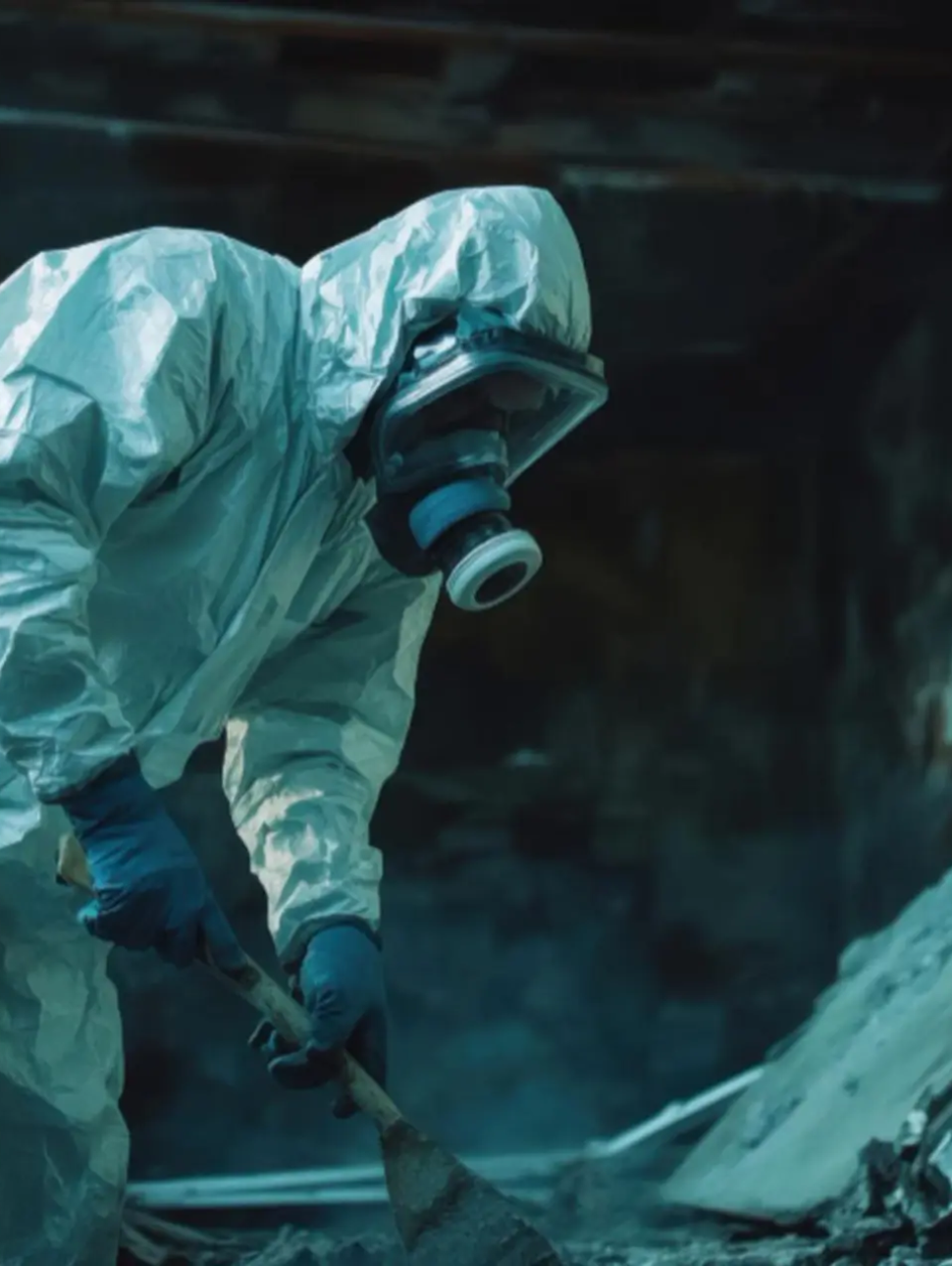
If found, asbestos removal or asbestos abatement should be handled with containment, HEPA filtration, and approved disposal.
Finding asbestos does not necessarily mean that an entire home needs to be removed or that a renovation must be canceled. The appropriate response depends on where the asbestos is located, its condition, and whether planned work will disturb it.
In some situations, leaving an intact material undisturbed may be appropriate. In other situations, asbestos abatement may be needed before renovation or demolition can safely proceed. Abatement can involve controlled work practices, containment, specialized equipment, and proper handling of asbestos-containing materials.
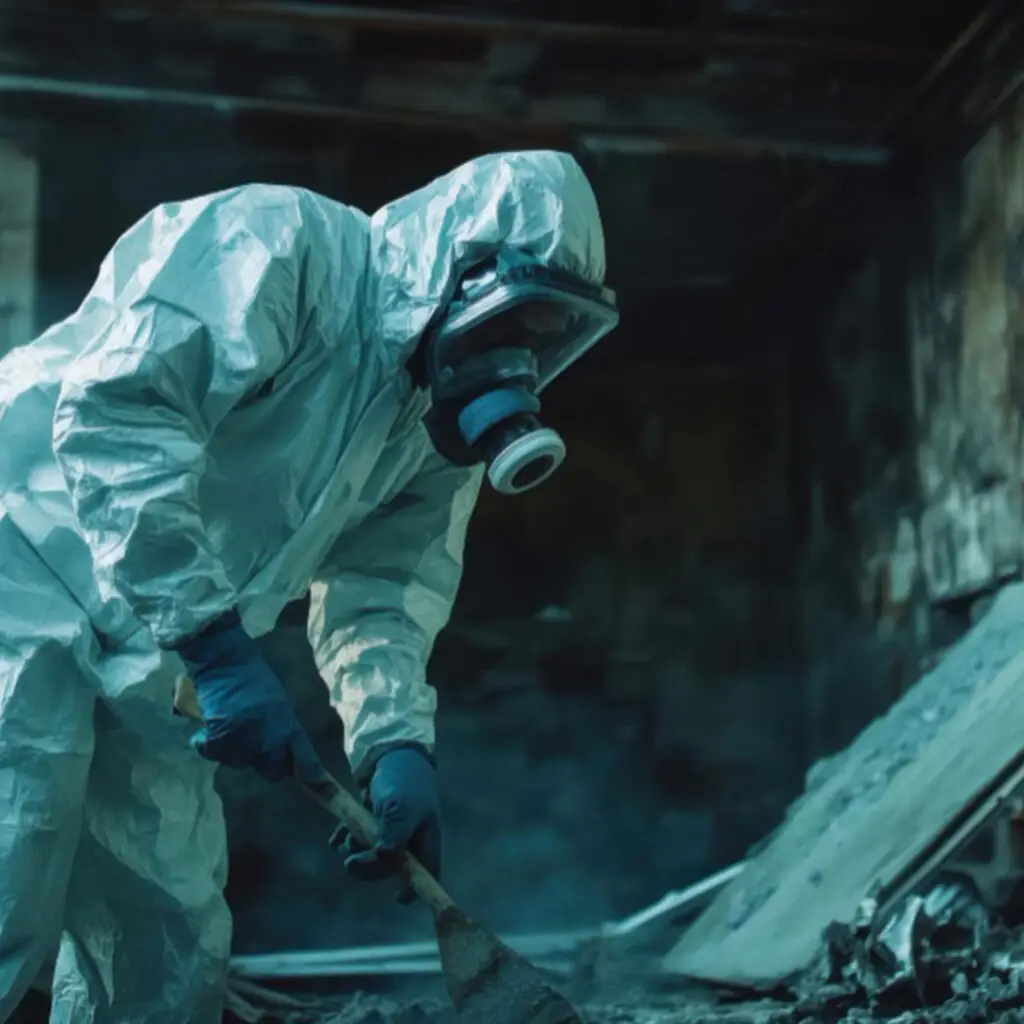
Professional asbestos abatement is particularly important when materials will be removed or significantly disturbed. Improper handling can spread contamination to other parts of a property and create additional cleanup concerns.
How Asbestos Abatement Helps Before Demolition
Asbestos abatement is focused on managing or removing asbestos-containing materials through controlled procedures. Depending on the project, this may involve isolating the work area, using appropriate protective measures, controlling airborne dust and fibers, and handling waste according to applicable requirements.
The objective is to prevent asbestos fibers from spreading beyond the controlled work area while the affected materials are addressed. Once the asbestos-related work has been completed and applicable procedures have been followed, the larger renovation or demolition project can move forward based on the property’s condition and project requirements.
For DFW homeowners, Zeus Restoration offers asbestos abatement services in Dallas-Fort Worth as part of its residential restoration services.
How Testing Can Help Prevent Project Delays
Testing before demolition helps prevent fiber release, unsafe cleanup, delays, and inspection issues. Texas rules may require notification before some renovation or demolition projects.
Testing can also help with project planning. Discovering asbestos after demolition has already started can interrupt the work and require additional precautions, cleanup, or professional services. Identifying suspect materials before construction begins gives homeowners and contractors an opportunity to account for them in the project plan.
This can be particularly important when multiple trades are involved. Demolition crews, electricians, plumbers, flooring installers, and other contractors may all disturb different parts of a building. Knowing where suspect materials are located can help prevent accidental disturbance during the renovation.
Because asbestos regulations can vary based on the project and property, homeowners should confirm applicable Texas and local requirements with qualified professionals or the appropriate regulatory authority before beginning demolition.
When Should You Test a Home for Asbestos?
Consider asbestos testing before renovation or demolition if you plan to disturb older materials that could contain asbestos. This may include projects involving ceilings, walls, flooring, insulation, pipes, roofing materials, or other original building components.
Testing may also make sense when purchasing or renovating an older property and the condition or composition of existing materials is unknown. Having more information before work begins can help you make better decisions about the scope and sequence of the project.
If you are planning a renovation in Dallas, Fort Worth, or another North Texas community, an asbestos inspection can be an important early step when older materials are involved.
Why Professional Asbestos Services Matter
Asbestos is not a material to treat like ordinary household debris. Disturbing suspect materials without appropriate precautions can create unnecessary exposure and contamination risks. Professional asbestos services use controlled procedures designed around the specific conditions of the property and project.
Zeus Restoration takes a structured approach to residential asbestos abatement in the Dallas-Fort Worth area. Our restoration experience allows us to approach property damage and hazardous-material concerns with attention to the surrounding restoration process.
We also offer residential restoration services for homeowners dealing with broader property damage and emergency restoration when urgent restoration needs arise.
For help with residential asbestos abatement in the Dallas-Fort Worth area, contact us today to discuss your property and restoration needs.
Frequently Asked Questions
Is asbestos testing necessary before demolition?
It may be required based on the property and project.
Can I identify asbestos by looking?
No. Only lab testing can confirm asbestos.
Who should test for asbestos?
Use a licensed asbestos inspector or qualified testing professional.
What if asbestos is found?
The area may need asbestos abatement before demolition continues.
Can I remove asbestos myself?
DIY removal is not recommended because disturbing asbestos can release fibers which could affect the health of you, your family, and/or pets that live in the home.