Quick Summary
Mold can begin developing within 24 to 48 hours after a leak when drywall, insulation, flooring, wood, or other porous materials remain wet. Visible growth may take longer, but hidden moisture can spread before obvious signs appear. The best response is to stop the source, remove water, dry affected materials thoroughly, and arrange professional assessment when mold is extensive, concealed, or connected to contaminated water.
How fast can mold grow after a leak? In favorable damp conditions, mold can begin developing within 24 to 48 hours, although visible growth may take longer to appear.
Water can migrate behind walls, beneath flooring, and into insulation, so a small leak may create a larger hidden moisture problem. Acting quickly helps reduce the risk of mold, material deterioration, and more extensive repairs.
How Quickly Can Mold Grow After Water Damage?
Once building materials become wet, mold spores already present in indoor and outdoor air can settle on damp surfaces and begin using organic material as a food source. Drywall paper, wood, carpet backing, insulation, and dust are especially vulnerable when moisture remains trapped.
The 24-to-48-hour window is not a guarantee that every leak will produce visible mold. It is a critical drying period. The longer porous materials remain wet, the greater the chance that mold will establish itself, spread into concealed cavities, and damage finishes or structural components.
Conditions That Speed Up Mold Growth
Several conditions can accelerate mold growth after water damage:
- Porous materials such as drywall, carpet, insulation, and unfinished wood absorb and hold water.
- Warm temperatures and elevated humidity create favorable conditions for growth.
- Limited airflow slows evaporation and keeps concealed spaces damp.
- Slow, repeated, or long-running leaks can saturate materials before the damage is discovered.
- Water trapped beneath flooring or behind walls can remain wet after the visible surface appears dry.
Signs Mold May Be Growing After a Leak
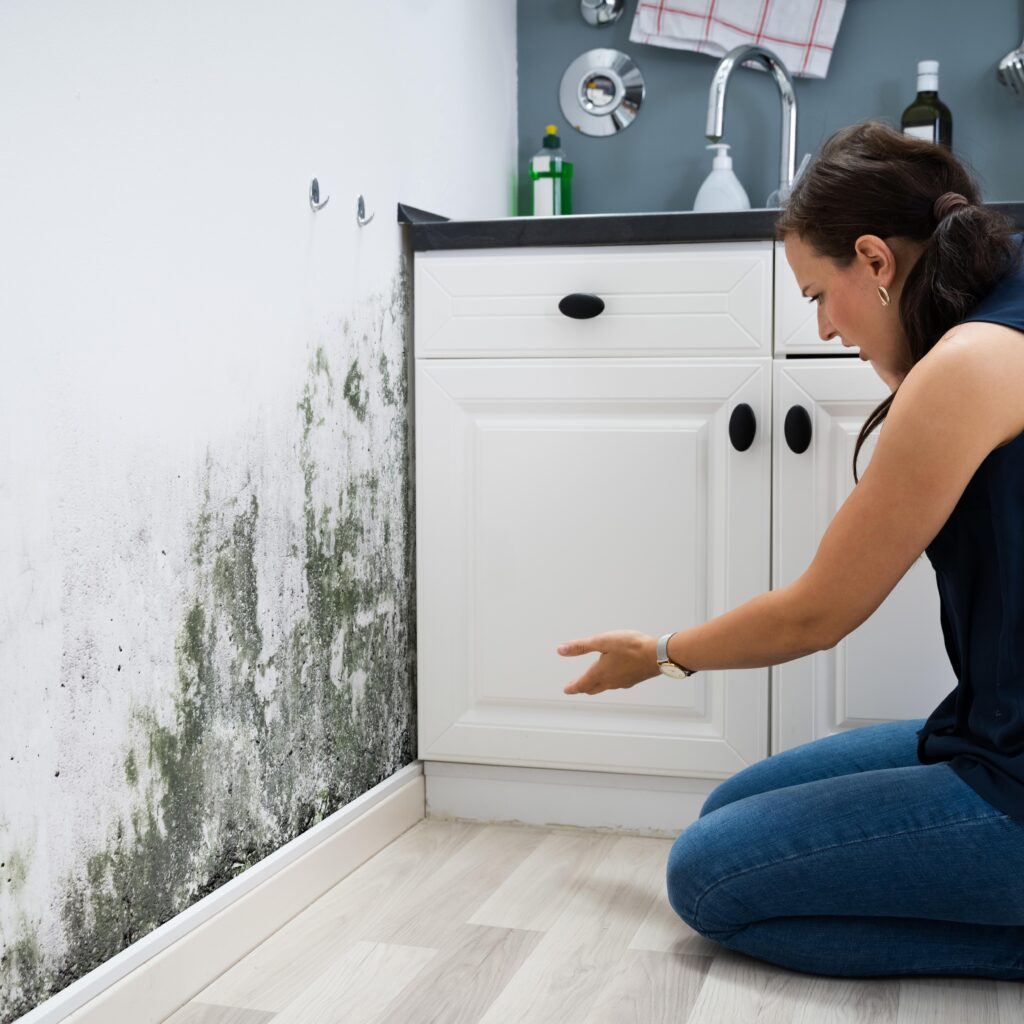
Mold is not always visible immediately. A persistent musty odor may be the first warning sign, particularly near baseboards, cabinets, closets, bathrooms, or rooms below a roof or plumbing leak.
Watch for discoloration, bubbling or peeling paint, warped drywall, soft flooring, damp insulation, or recurring condensation. Mold can appear black, green, white, brown, or other colors, but color alone does not determine the type of mold or the level of risk. Any suspected indoor growth should be evaluated together with the underlying moisture source.
- A musty or earthy odor
- Dark, light, or irregular staining
- Peeling paint, bubbling finishes, or warped drywall
- Soft flooring, swollen trim, or damp cabinets
- Visible fuzzy, powdery, or spotted growth
What to Do During the First 24 to 48 Hours
Start by stopping the leak when it is safe to do so and arranging the appropriate plumbing, roofing, or appliance repair. Remove standing water, move unaffected belongings away from the wet area, and begin drying promptly. Do not enter standing water near electrical sources, and avoid disturbing visible mold because that may spread spores.
- Stop the source of water and arrange the necessary repair.
- Remove standing water and wet belongings when it is safe to do so.
- Use controlled airflow and dehumidification, then verify that materials are actually dry.
- Photograph the damage and avoid painting over or disturbing suspected mold.
Professional water restoration services in Dallas-Fort Worth can help identify moisture that is not visible, extract water, set up controlled drying equipment, and monitor affected materials. Documentation of the loss, including photographs and a record of damaged items, may also help when communicating with an insurance provider.
When Professional Mold Restoration Is the Safer Choice
A small, isolated amount of surface mold on a hard, nonporous material may sometimes be manageable with careful cleaning and complete drying. Professional help is the safer choice when growth is widespread, hidden behind finishes, connected to repeated leaks, present in an HVAC system, or caused by sewage or other contaminated water.
Our mold restoration services in Dallas-Fort Worth focus on identifying affected areas, controlling cross-contamination, removing materials that cannot be restored, and correcting the moisture conditions that allowed mold to develop. The objective is not simply to cover stains or treat the visible surface, but to address the source and restore the affected environment properly.
How to Keep Mold from Coming Back
Mold prevention begins with moisture control. Repair the original leak, confirm that wall cavities and flooring systems are dry, improve ventilation in humid rooms, and use dehumidification when needed. Check plumbing connections, roof penetrations, appliance supply lines, and HVAC drain pans regularly so small problems are found before they spread.
- Inspect plumbing and appliance supply lines for slow leaks.
- Keep bathrooms, kitchens, and laundry areas well ventilated.
- Address condensation on windows, ducts, or cold surfaces.
- Replace damaged porous materials only after the area has been dried and cleared for repairs.
When water has damaged drywall, insulation, flooring, cabinetry, or interior finishes, residential restoration services can help complete the repairs after mitigation and remediation are finished. Rebuilding only after the area is dry and the moisture source is corrected reduces the chance of trapping damp materials inside the structure.
Frequently Asked Questions About Mold After a Leak
How fast can mold grow after water damage?
Mold may begin developing within 24 to 48 hours when materials remain wet. Visible colonies may take longer to appear, so the absence of obvious growth does not mean the area is fully dry.
Does mold always appear within 48 hours?
No. The 24-to-48-hour period is a critical drying guideline, not an exact deadline for every property. Temperature, humidity, material type, airflow, and the amount of water all influence the timeline.
Is black mold always toxic?
Not necessarily. Color alone cannot identify a mold species or determine its health significance. Black-colored growth should still be handled carefully, and the moisture source must be corrected.
What are signs of hidden mold?
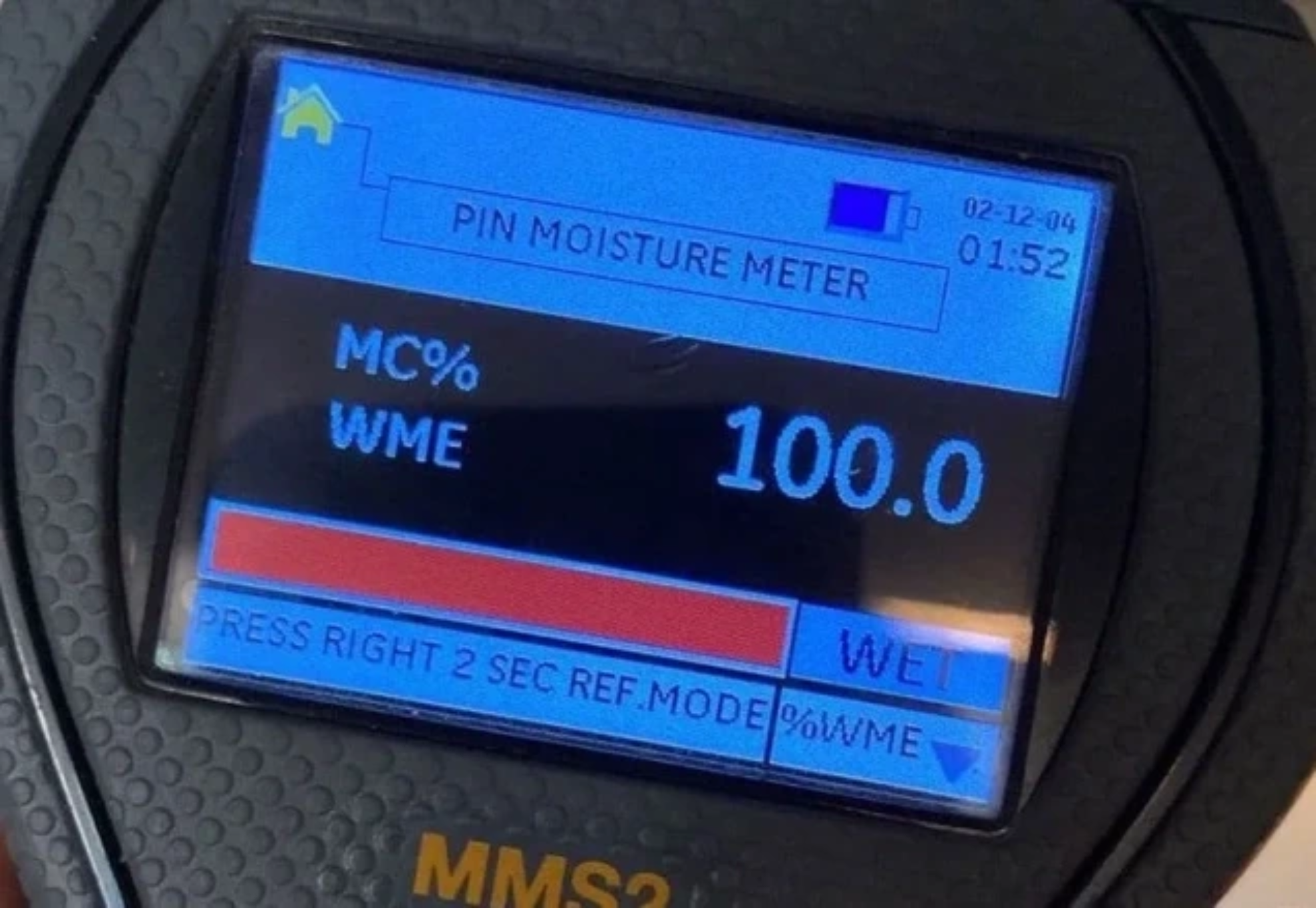
Possible signs include musty odors, staining, peeling paint, warped drywall, soft flooring, recurring dampness, and unexplained growth near a previous leak. Moisture readings and a professional inspection may be needed to locate concealed wet areas.
Can I clean the mold myself?
Small surface growth on a hard material may sometimes be cleaned safely, but larger, hidden, recurring, or contaminated areas usually require professional assessment. Porous materials may need to be removed when they cannot be cleaned and dried completely.
How do I stop mold from coming back?
Repair the leak, remove standing water, dry wet materials promptly, maintain good ventilation, and control indoor humidity. Confirming that hidden cavities are dry is essential because surface dryness can be misleading.
Get Help After a Leak in Dallas-Fort Worth
After a leak, prompt action can make the difference between a contained water loss and a larger mold problem. Zeus Restoration provides 24/7 emergency response, water mitigation, mold restoration, and repair support throughout Dallas-Fort Worth. Call (972) 587-6960 to schedule an assessment and take the next step toward a dry, safe, and restored property.