Quick Summary
Commercial fire damage restoration addresses more than the burned area. A coordinated response may include securing the building, documenting the loss, extracting firefighting water, cleaning smoke and soot, controlling odors, evaluating contents and equipment, and completing repairs. Clear sequencing and communication help protect unaffected areas, support the insurance process, and reduce unnecessary business interruption.
Commercial fire damage restoration is a coordinated recovery process that addresses building safety, smoke and soot contamination, firefighting water, odors, damaged contents, and repairs while helping an organization plan around operational disruption.
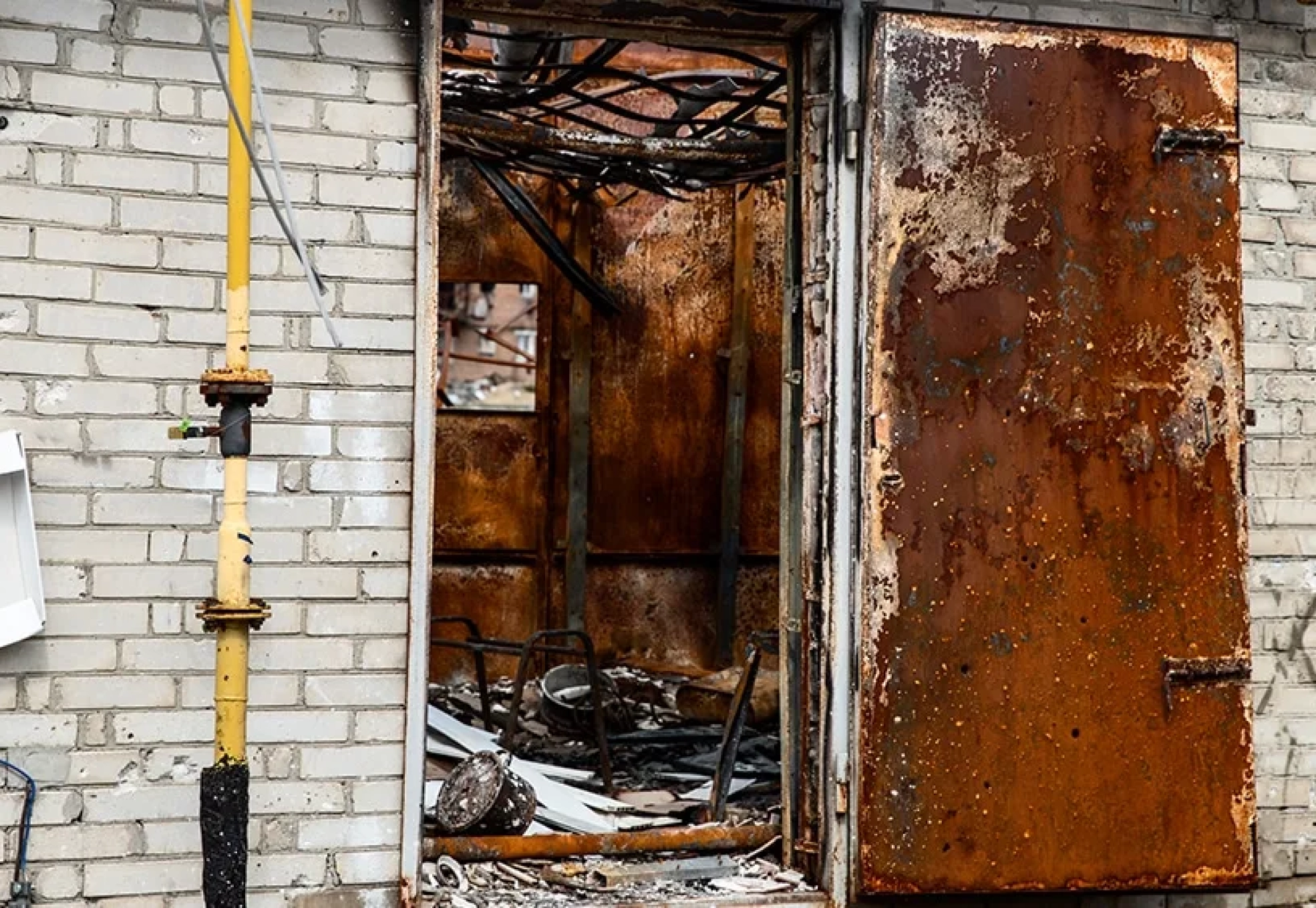
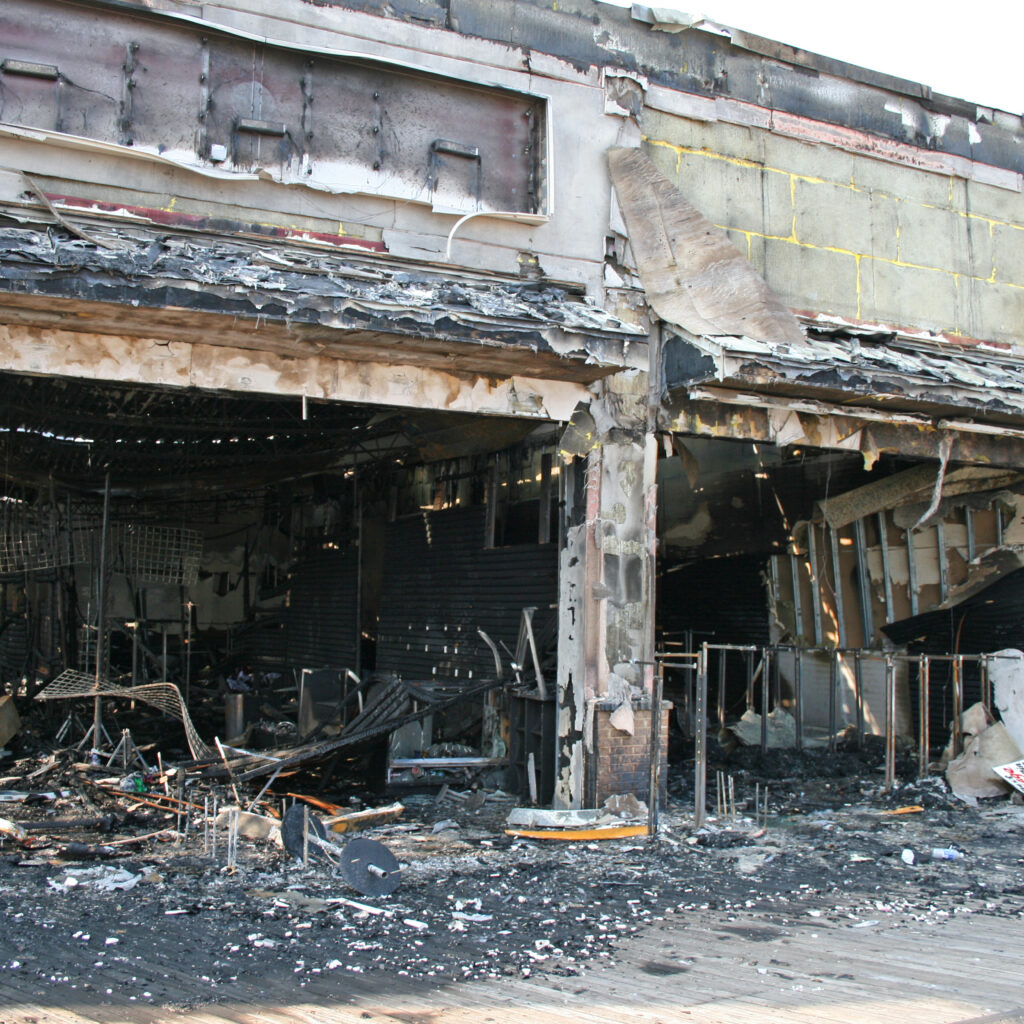
Because fire effects can extend far beyond the point of origin, the first assessment should consider adjoining rooms, ceilings, wall cavities, HVAC pathways, utilities, inventory, equipment, and areas reached by suppression water.
First Priorities After a Commercial Fire
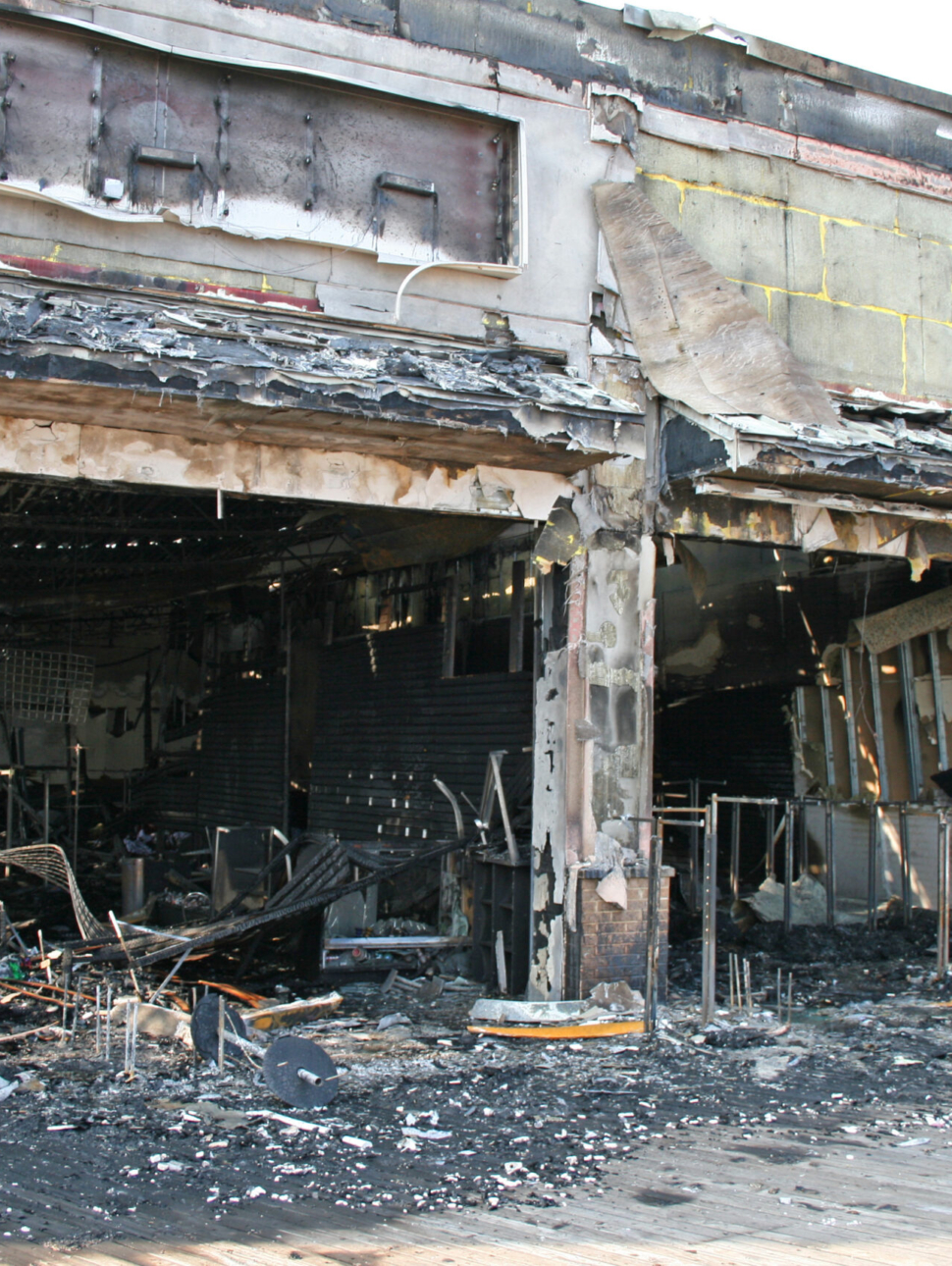
Do not enter the building until fire officials or the appropriate authority has cleared it for access. Burned structural components, energized equipment, damaged utilities, contaminated water, unstable ceilings, and concealed hot spots may remain hazardous after the flames are extinguished. Restrict access and preserve the scene until emergency personnel and the insurer provide direction.
Create a Clear Initial Response Plan
Once safe access is authorized, identify the decision-makers for the property, business operations, insurance claim, utilities, restoration, and security. Establish one communication channel for employees, tenants, vendors, and other stakeholders so instructions remain consistent.
- Confirm the building has been released for safe entry.
- Secure exposed doors, windows, roof openings, and access points.
- Notify the insurance carrier and begin a written event log.
- Photograph affected areas without disturbing debris or equipment.
- Identify critical operations, records, inventory, and equipment that may require priority attention.
What Commercial Fire Damage Restoration Includes
The scope of commercial fire damage restoration depends on the fire, the building, the materials involved, and the amount of water used during suppression. A qualified restoration team develops a sequence that protects unaffected areas, limits additional damage, and coordinates mitigation with the eventual repair plan.
Emergency Stabilization and Board-Up
Temporary roof protection, board-up, fencing, shoring, or controlled access may be needed to protect the property from weather, trespass, and additional loss. Utilities may remain disconnected until qualified providers determine they are safe.
Damage Assessment and Documentation
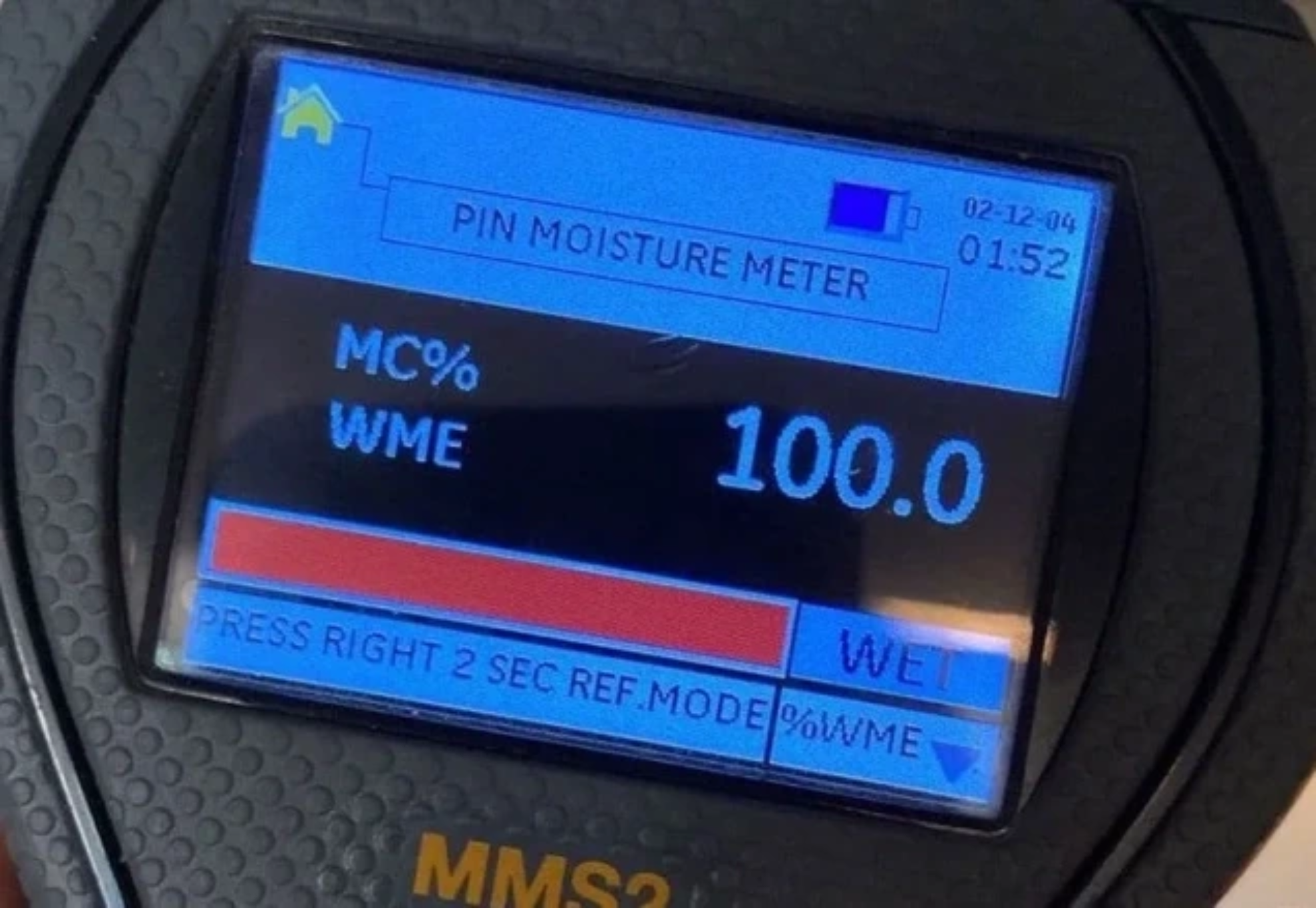
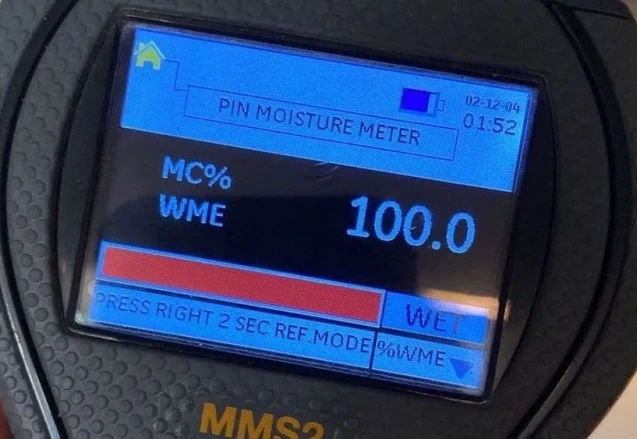
The assessment records fire, smoke, soot, odor, water, and structural effects by area. Documentation may include photographs, moisture readings, material conditions, equipment inventories, and recommendations for what can be cleaned, restored, tested, or replaced.
Soot Cleaning and Odor Control
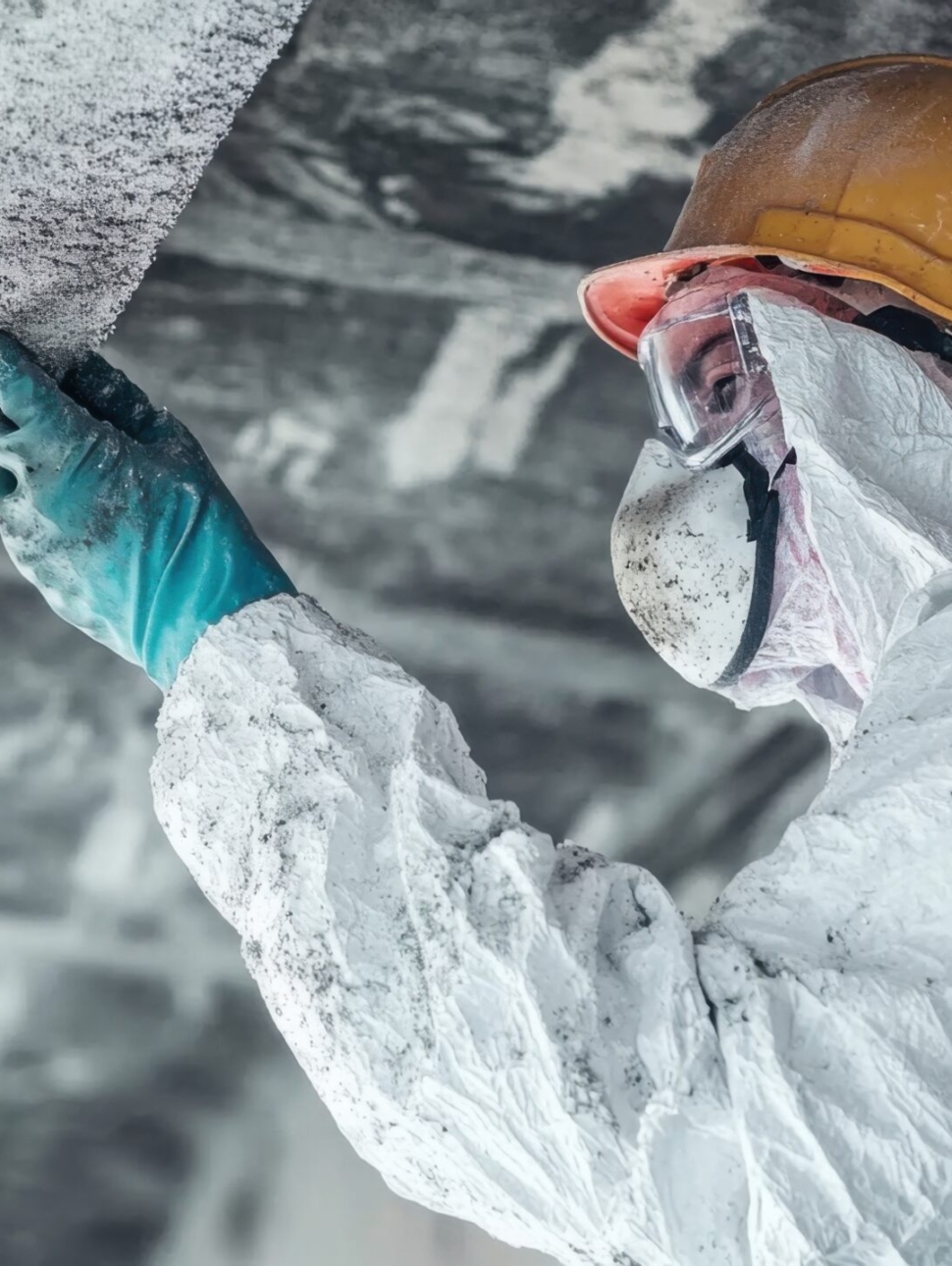
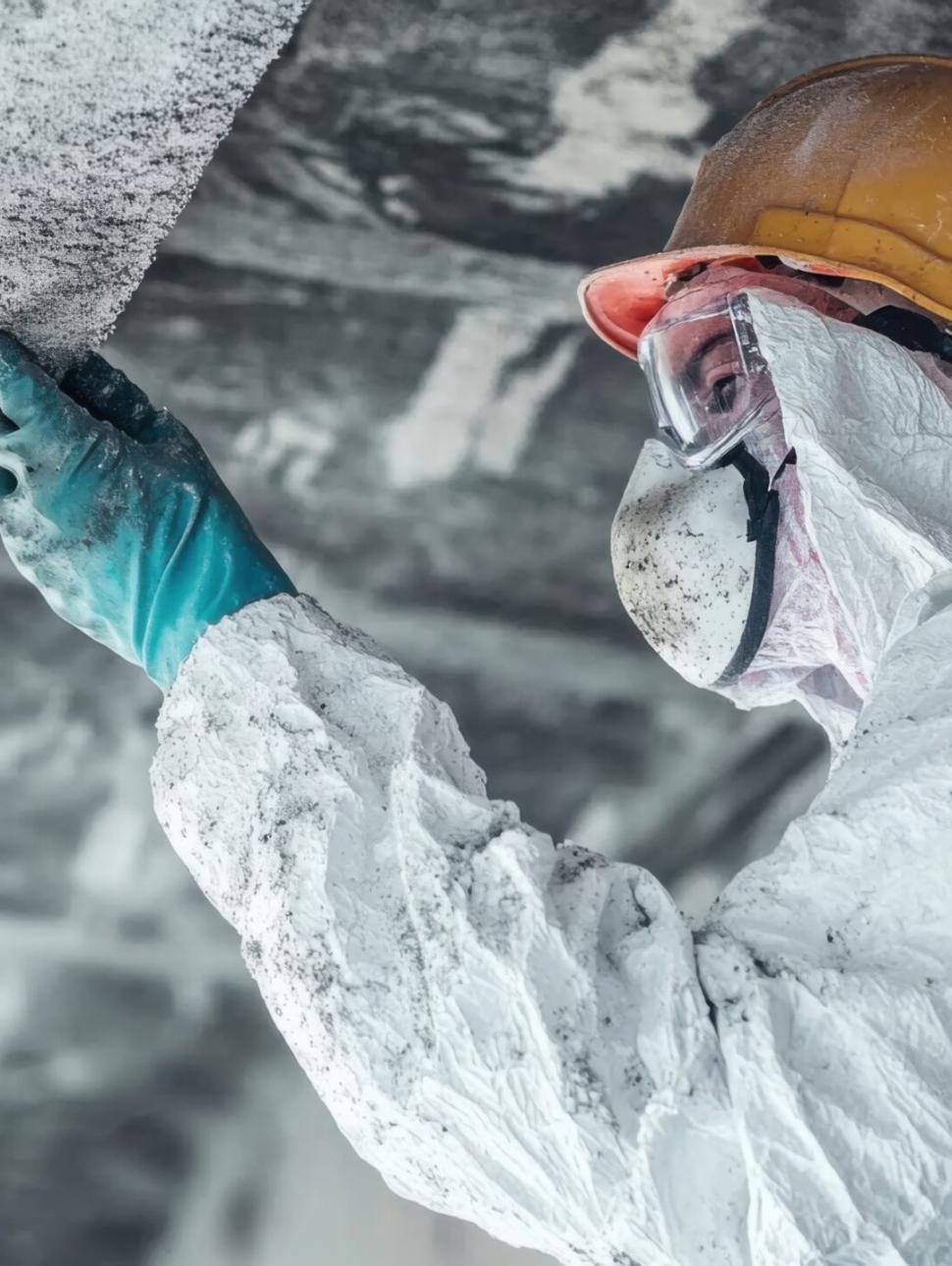
Professional fire restoration services in Dallas-Fort Worth address residue according to the affected surface and type of combustion. Dry soot, oily residue, protein-related odors, and synthetic-material smoke can behave differently, so cleaning methods and sequencing must be selected carefully.
Contents and Equipment Evaluation
Furniture, stock, documents, electronics, machinery, and other contents may need to be inventoried and moved to a controlled area for evaluation. Some items can be cleaned or restored, while others require specialized testing or replacement. Sensitive equipment should be handled by appropriate specialists.
Managing Smoke, Soot, Odor, and Firefighting Water
Smoke and soot can move through open doors, corridors, ceiling plenums, wall penetrations, and HVAC systems. Residue may continue to corrode or discolor surfaces when it is left untreated. Odor control is most effective after affected materials and residue sources have been identified and cleaned rather than being masked with fragrance.
Fire suppression can also leave substantial water damage. commercial water restoration services may include extraction, moisture mapping, controlled drying, and monitoring of floors, walls, insulation, ceilings, and concealed assemblies. Wet materials should be addressed promptly to reduce swelling, deterioration, and microbial growth.
HVAC operation should be evaluated before the system is restarted. Running contaminated equipment can distribute residue to areas that were not directly affected. Ductwork, filters, mechanical components, and return-air pathways may require inspection and specialized cleaning.
Reducing Business Interruption During Restoration
A recovery plan should separate immediate safety work from activities that can restore limited operations. Depending on the building, it may be possible to establish clean zones, isolate affected areas, prioritize critical departments, or create a phased repair schedule. These decisions must be based on safety, code requirements, contamination control, and utility availability.
Experienced commercial restoration services in Dallas-Fort Worth coordinate assessment, mitigation, documentation, contents decisions, and reconstruction as connected phases. Consistent project communication can reduce duplicated work and help property managers, business owners, adjusters, and contractors understand current priorities.
Maintain an Operational Recovery Log
Record site access, temporary protections, vendor activity, decisions, damaged assets, employee communications, and major schedule changes. A central log supports insurance discussions and helps leadership track dependencies such as inspections, utility restoration, equipment replacement, permits, and reoccupancy requirements.
From Emergency Mitigation to Reconstruction
Cleanup alone does not complete a major fire recovery. After the building is stabilized and residue, water, and damaged materials are addressed, reconstruction may include framing, drywall, ceilings, flooring, finishes, cabinetry, roofing, and other building components. Repairs must align with the approved scope, applicable codes, and the needs of the business.
Before reopening, confirm that required inspections are complete, utilities and life-safety systems are operational, work areas are clean, and any occupancy restrictions have been resolved. A phased return may be appropriate for larger properties, but employees and customers should not enter areas that remain unsafe or under active containment.
Frequently Asked Questions About Commercial Fire Restoration
What should a business do first after a fire?
Wait for officials to clear the property, restrict access, notify the insurance carrier, secure exposed areas, and contact a qualified commercial restoration company. Do not restart utilities or equipment until they have been evaluated.
Can smoke damage spread beyond the burned area?
Yes. Smoke and soot can travel through corridors, ceiling spaces, wall openings, stairwells, and HVAC pathways. Adjacent and seemingly unaffected areas should be evaluated for residue and odor.
How long does commercial fire cleanup take?
The timeline depends on the size of the loss, structural damage, water saturation, contamination, contents, permits, material availability, and repair scope. An assessment is required before a reliable schedule can be developed.
Does commercial insurance cover fire restoration?
Many commercial policies cover sudden fire losses, but coverage, deductibles, exclusions, limits, business-income provisions, and documentation requirements vary. The insurer determines coverage under the specific policy.
Why hire a commercial restoration company?
Commercial restoration requires coordinated stabilization, water removal, soot cleaning, odor control, contents management, documentation, and repairs. A single recovery plan helps align these activities and reduce avoidable delays.
Start Commercial Fire Recovery in Dallas-Fort Worth
A commercial fire requires fast decisions without sacrificing safety or documentation. Zeus Restoration provides 24/7 emergency response and coordinated fire, water, contents, and reconstruction services for Dallas-Fort Worth businesses. Call (972) 587-6960 to begin an assessment and recovery plan.