
Quick Summary
If a pipe bursts, shut off the water, avoid electrical hazards, call a plumber, document the damage, and begin professional drying quickly. Water can spread behind walls and beneath floors even after the visible surface looks dry. A complete response includes water extraction, moisture monitoring, mold prevention, insurance documentation, and repairs after the affected materials are appropriately dry.
A burst pipe can release a large amount of water in a short time, so the safest response is to control the source, avoid electrical hazards, and begin documenting the damage immediately.
Knowing what to do if a pipe bursts in your home can help protect drywall, flooring, cabinets, insulation, furnishings, and personal belongings while reducing the chance of hidden moisture and mold.
Immediate Steps to Take When a Pipe Bursts
Locate the main water shutoff valve and turn it clockwise until the water stops. If the break is limited to one fixture and a working local shutoff is available, that valve may control the flow. Do not enter standing water near outlets, appliances, extension cords, or an electrical panel. Shut off electricity only when the panel can be reached without crossing wet areas.
Protect People Before Protecting Property
Move children and pets away from the affected area. If water is coming through a ceiling, the ceiling is sagging, or structural materials appear unstable, leave that room and wait for a qualified professional to assess it. Hot-water line failures can also create burn hazards.
- Shut off the main water supply or the nearest safe fixture valve.
- Avoid wet areas that may contain electrical hazards.
- Open a faucet at a lower level to relieve pressure after the supply is off.
- Call a plumber to repair or isolate the damaged pipe.
- Contact a restoration company when water has reached porous materials or multiple rooms.
What to Do After the Water Is Shut Off
Once the source is controlled, move dry belongings away from the wet area and place furniture legs on protective blocks when practical. Collect loose items without walking through unsafe water. Do not remove permanently installed materials before the damage is photographed and the loss has been discussed with the appropriate professionals.
Take wide photographs of every affected room, then capture close-up images of damaged materials, appliances, furnishings, and the failed pipe. Write down when the leak was discovered, when the water was shut off, and which emergency steps were taken. Keep receipts for emergency services, temporary protection, and related expenses.
Professional water restoration services in Dallas-Fort Worth can help remove standing water, map moisture migration, establish a drying plan, and monitor materials until appropriate drying goals are reached. Surface cleanup alone may not address water that has moved beneath floors or into wall cavities.
Why Hidden Moisture Makes a Burst Pipe More Serious
Water follows seams, penetrations, gravity, and absorbent materials. It may travel behind baseboards, under finished flooring, into insulation, or through openings between floors. A room can look dry while concealed materials remain wet enough to swell, delaminate, stain, or support microbial growth.
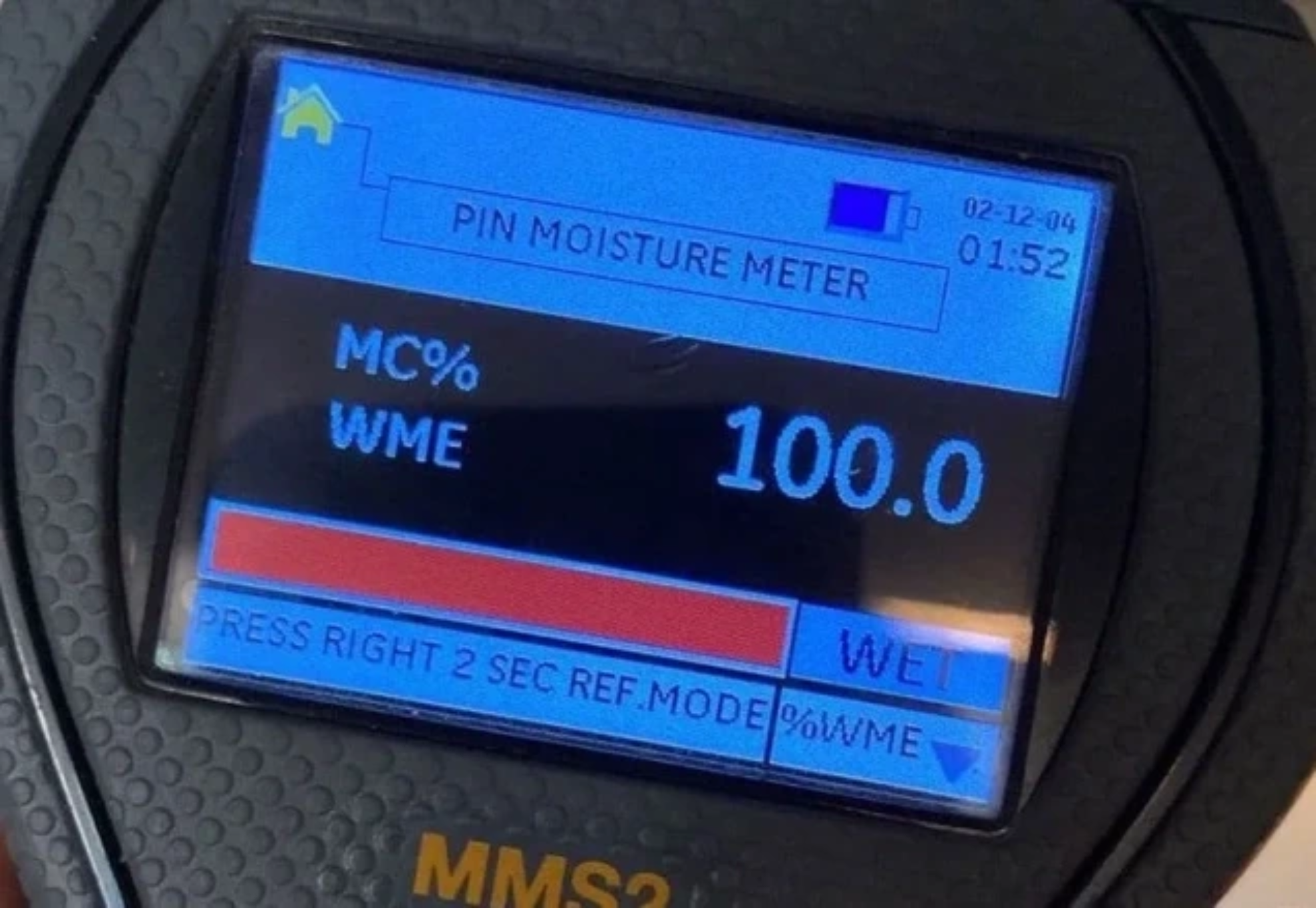
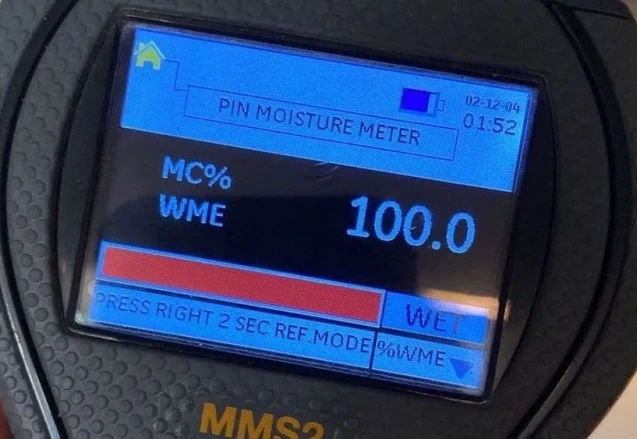
Drying time depends on the amount of water, the materials involved, indoor temperature and humidity, airflow, and how quickly mitigation begins. Moisture meters, thermal imaging used as a screening tool, air movers, and dehumidifiers help restoration professionals evaluate and control conditions instead of relying only on touch or appearance.
When moisture is not resolved promptly, mold restoration services in Dallas-Fort Worth may be needed to contain affected areas, remove materials that cannot be restored, and correct the moisture conditions that allowed growth to develop. Musty odors, discoloration, soft drywall, or recurring dampness should not be ignored.
Documenting the Loss and Communicating With Insurance
Notify your insurance carrier or agent promptly and follow the reporting instructions in your policy. Coverage varies according to the cause of loss, policy language, maintenance history, exclusions, and the repairs required. A restoration company can document moisture conditions and completed work, but the insurer determines coverage.
Avoid throwing away damaged items until they have been photographed and you have received guidance about documentation. Maintain a simple inventory with the item, location, condition, and estimated age. Clear records can make it easier to explain the scope of damage and the emergency measures taken to protect the property.
Drying, Repairs, and Returning the Home to Normal
After extraction and structural drying, damaged finishes may need to be repaired or replaced. residential restoration services can coordinate the transition from mitigation to reconstruction for affected drywall, insulation, flooring, trim, cabinetry, and interior finishes. Repairs should begin only after the source is fixed and the affected assemblies are appropriately dry.
Before the project is complete, confirm what work was performed, which materials were removed, how drying progress was monitored, and what repairs remain. This creates a clearer path from the initial emergency to a safe, functional living space.
Frequently Asked Questions About Burst Pipes
What should I do first if a pipe bursts?
Shut off the main water supply immediately, keep people away from electrical hazards, and call a plumber. When water has spread into floors, walls, ceilings, or multiple rooms, arrange professional water mitigation as soon as possible.
Does homeowners’ insurance cover a burst pipe?
Many policies cover sudden and accidental water damage, but the damaged pipe itself, long-term leakage, maintenance issues, and resulting repairs may be treated differently. Review your policy and ask your insurer to explain the applicable coverage.
How long does water damage take to dry?
Drying often takes several days, but there is no universal timeline. The amount of water, material type, humidity, airflow, and hidden saturation all affect how long the process takes. Moisture readings are more reliable than appearance alone.
Can a small water leak cause mold?
Yes. Even a limited leak can wet porous materials in a concealed area. Prompt source repair and complete drying are essential because hidden dampness may remain after the visible water is gone.
Should I clean up burst-pipe water myself?
A small amount of clean water may be manageable when there are no electrical, structural, or contamination hazards. Professional help is safer when water covers a large area, reaches porous assemblies, comes from an uncertain source, or cannot be dried promptly.
Get 24/7 Help After a Burst Pipe in Dallas-Fort Worth
A fast, organized response can limit the spread of water and reduce the extent of repairs. Zeus Restoration provides 24/7 emergency response, water mitigation, drying, mold restoration, and reconstruction support throughout Dallas-Fort Worth. Call (972) 587-6960 to arrange an assessment after a burst pipe or major plumbing leak.