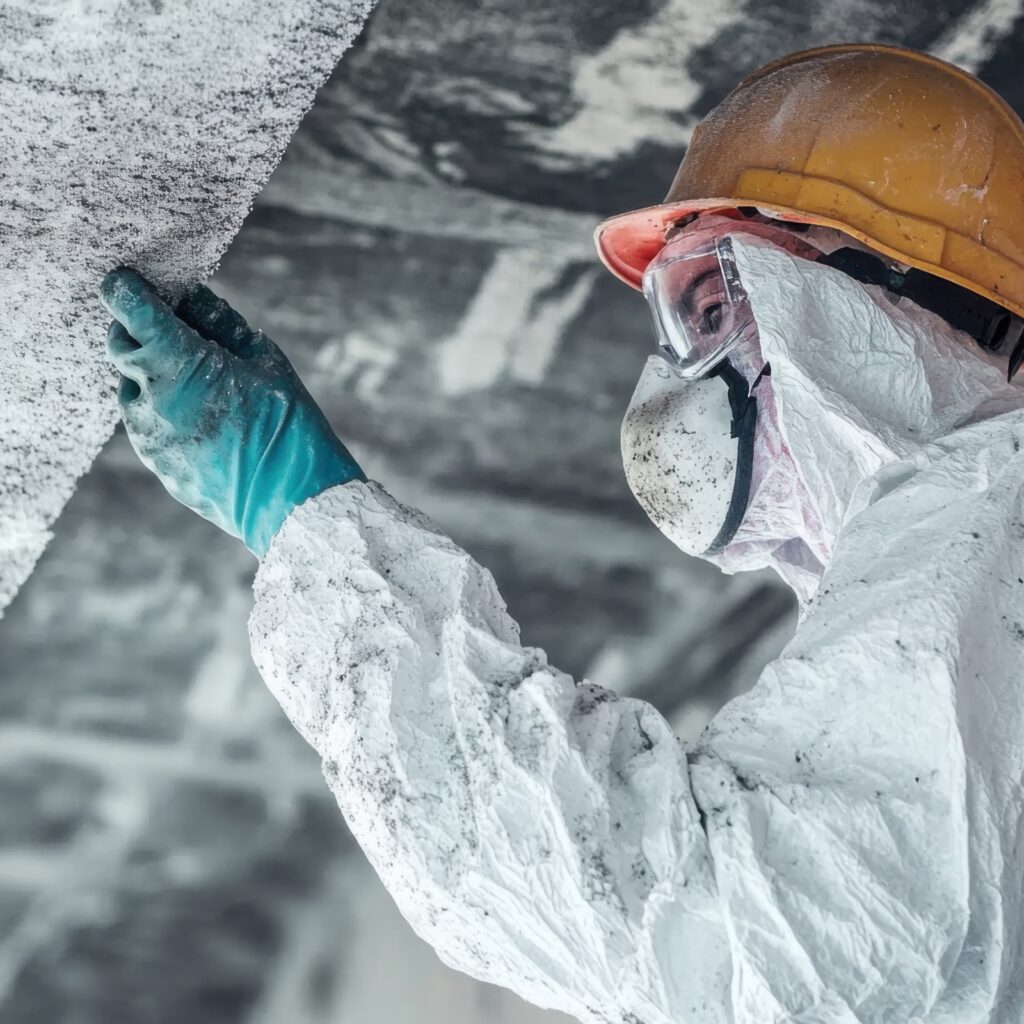
Quick Summary
Asbestos remediation is a controlled process for evaluating, containing, repairing, encapsulating, or removing confirmed asbestos-containing materials. Because suspect products cannot be identified reliably by appearance, they should not be sampled or disturbed by untrained occupants. Professional planning, containment, specialized cleaning, compliant disposal, and post-work verification help limit fiber release and prepare the property for safe repairs.
What is asbestos remediation? It is a controlled process used to evaluate suspected asbestos-containing materials, prevent fibers from spreading, and repair, encapsulate, or remove affected materials when professional action is required.
Because asbestos cannot be confirmed reliably by appearance, property owners should avoid disturbing suspect materials during remodeling, demolition, water-damage cleanup, or repairs. Qualified inspection and laboratory analysis determine whether asbestos is present and what response is appropriate.
What Asbestos Remediation Means
Asbestos is a naturally occurring mineral fiber that was incorporated into many building products because of its durability and resistance to heat. Depending on a property’s age and construction history, suspect materials may include pipe insulation, resilient floor tile and mastic, textured coatings, roofing products, siding, cement products, joint compound, and some thermal-system insulation.
The primary concern is not simply that asbestos exists in a building. Risk increases when asbestos-containing material is damaged, deteriorating, cut, drilled, sanded, scraped, demolished, or removed improperly. Those activities can release microscopic fibers that may be inhaled. Long-term exposure is associated with serious respiratory diseases, including asbestosis, lung cancer, and mesothelioma.
You Cannot Identify Asbestos by Color or Texture Alone
A product may look identical to a non-asbestos material. Do not break off a sample, sweep debris, use a household vacuum, or begin demolition to “check” it. Sampling should be planned and performed by a trained asbestos professional because improper sampling can create additional exposure.
When Asbestos Remediation May Be Needed
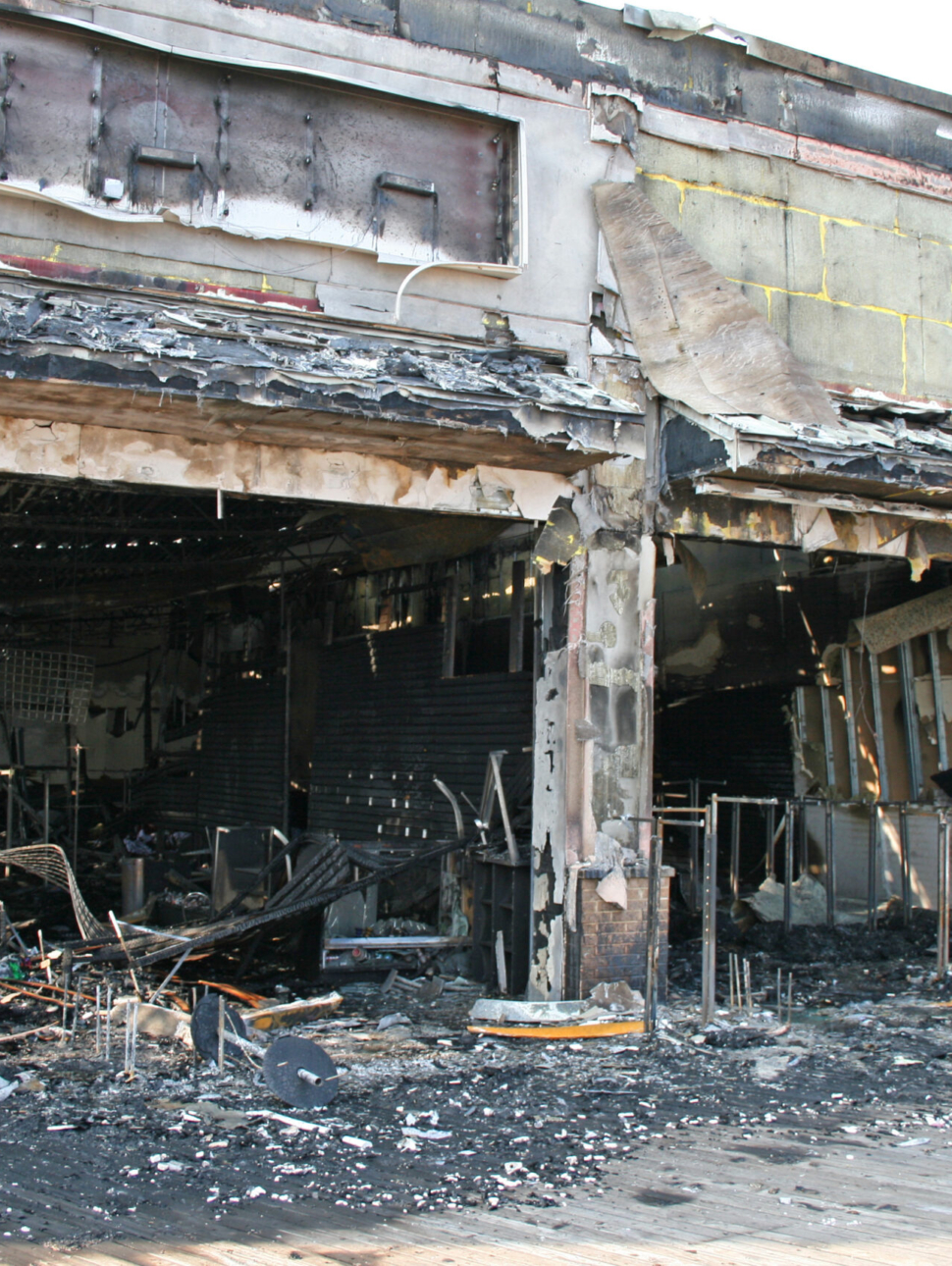
Asbestos remediation may be recommended when confirmed material is damaged, will be disturbed by planned work, or is located in an area affected by fire, water, storms, or structural repairs. The appropriate response depends on the material’s condition, location, accessibility, and the planned activity.
- Renovation or demolition will disturb suspect building materials.
- Pipe insulation, ceiling texture, flooring, or other material is crumbling or water-damaged.
- Fire or storm damage has exposed previously enclosed materials.
- Repairs require cutting into walls, ceilings, floors, or mechanical systems.
- Debris or dust from a suspect material has spread beyond the original area.
Material that is intact, sealed, and unlikely to be disturbed may sometimes be managed in place. A qualified professional may recommend monitoring, enclosure, or encapsulation rather than removal. Removal is not automatically the best choice in every situation.
What Happens During Professional Asbestos Remediation
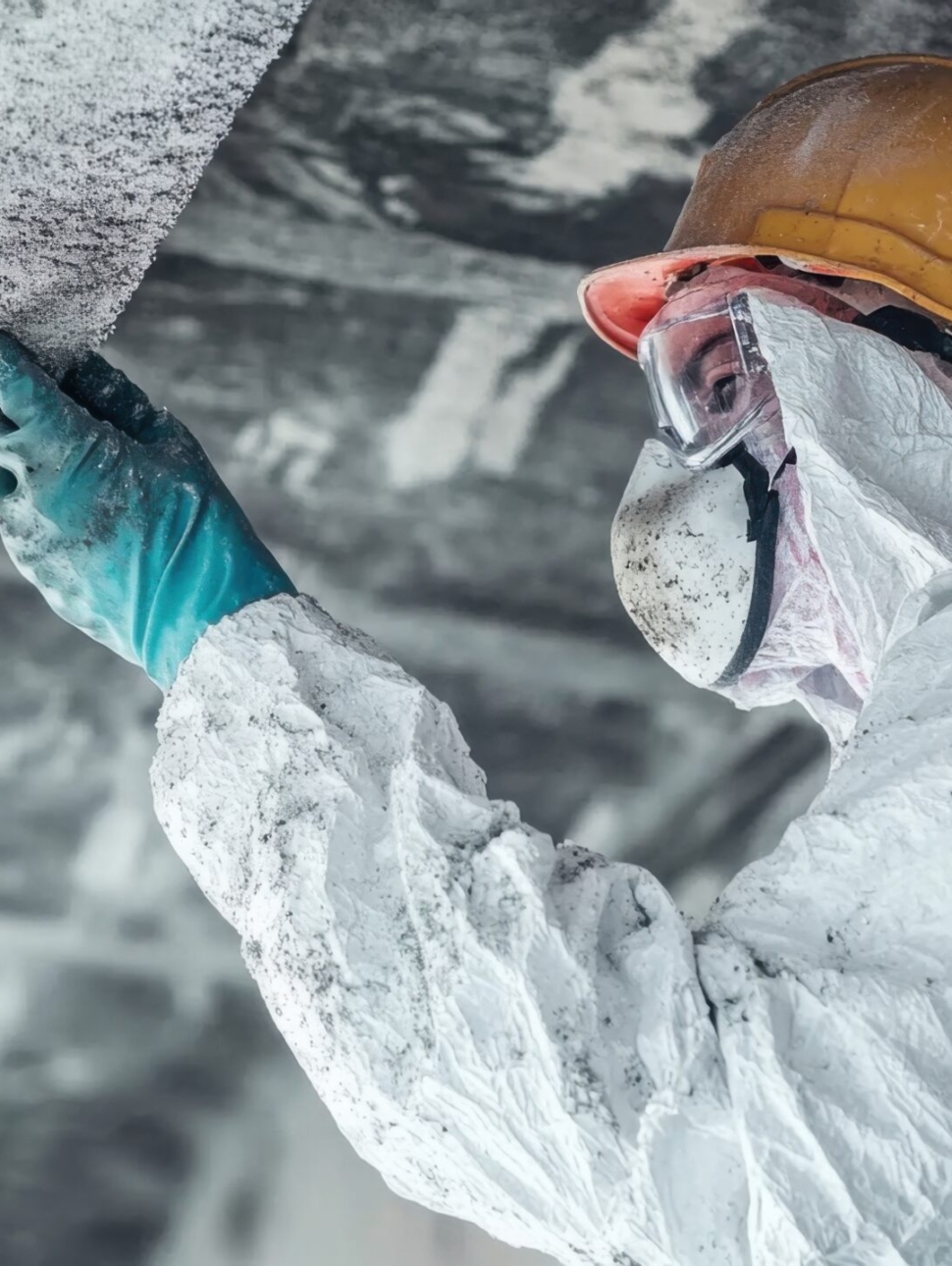
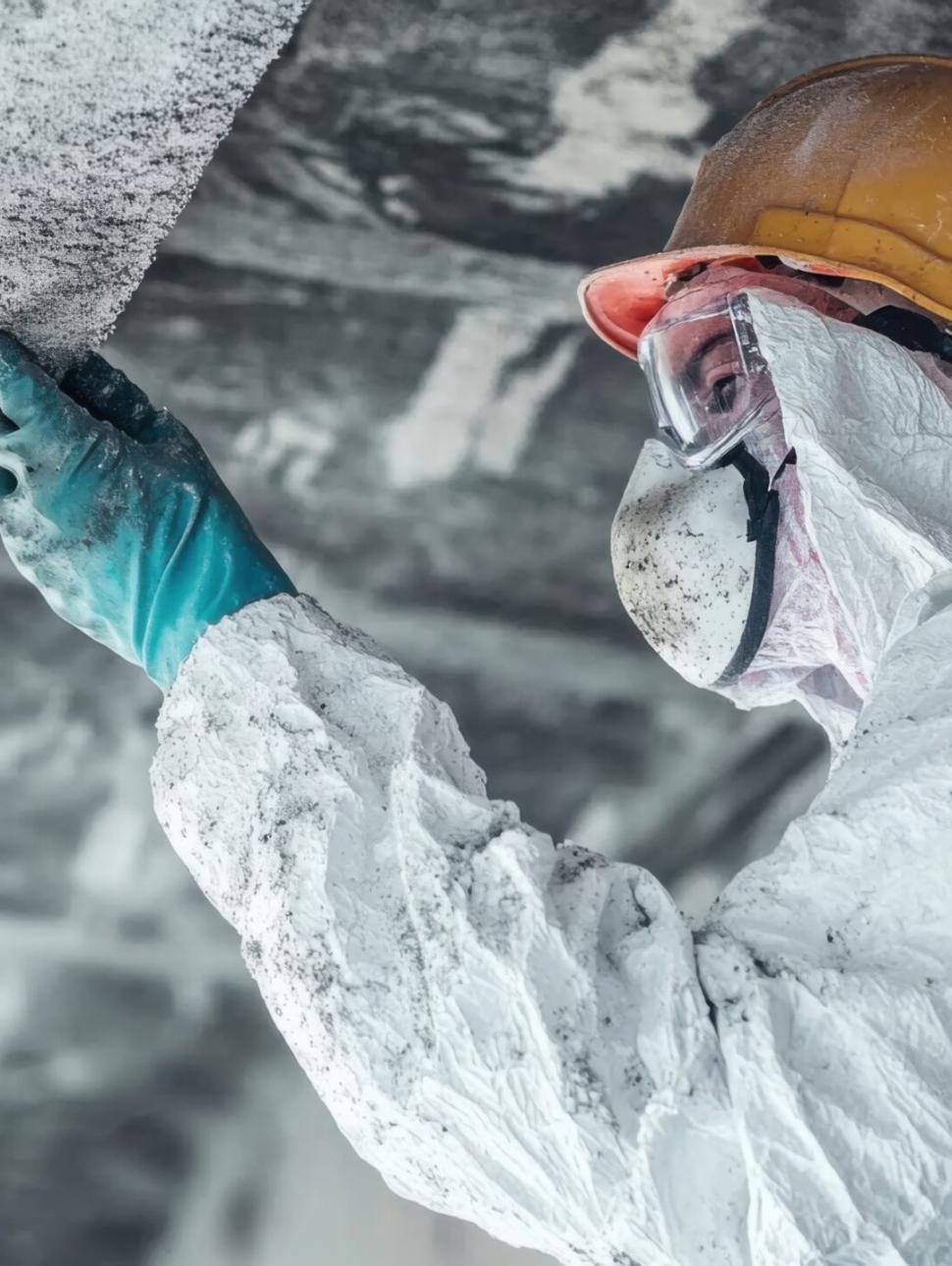
Professional asbestos abatement services in Dallas-Fort Worth use a planned sequence to limit fiber release and prevent cross-contamination. The exact scope varies, but the project may include inspection and testing, a written work plan, isolation of the work area, controlled removal or encapsulation, specialized cleaning, regulated disposal, and post-work verification.
1. Inspection and Laboratory Testing
A qualified inspector evaluates suspect materials and may collect samples for analysis. The findings identify the material, location, condition, and extent so the response is based on evidence rather than appearance.
2. Work Planning and Containment
The work area is separated from occupied or unaffected spaces. Access is restricted, warning signs are posted, and containment methods are selected according to the material and project scope. HVAC pathways may need to be isolated to reduce the possibility of fiber movement.
3. Removal, Encapsulation, or Enclosure
Damaged material may be removed using controlled wet methods and careful handling, or it may be sealed or enclosed when management in place is appropriate. Waste is packaged, labeled, transported, and disposed of according to applicable requirements.
4. Detailed Cleaning and Verification
The work zone is cleaned using methods suited to asbestos work, including HEPA-filtered equipment and wet cleaning where appropriate. Depending on the project and applicable requirements, a visual inspection, air monitoring, or clearance testing may be completed before containment is removed.
Why DIY Asbestos Removal Is Unsafe
Home vacuums, dry sweeping, sanding, scraping, and ordinary demolition can spread fibers through rooms, clothing, tools, and ventilation pathways. The resulting contamination may be more difficult and expensive to address than the original material. Personal protective equipment alone does not replace proper containment, work practices, training, and disposal procedures.
If you discover suspect material, stop work, keep people away, close the door when possible, and avoid moving dusty items through the property. Do not attempt to clean the area until a qualified professional has evaluated the situation.
Asbestos Concerns After Water or Property Damage
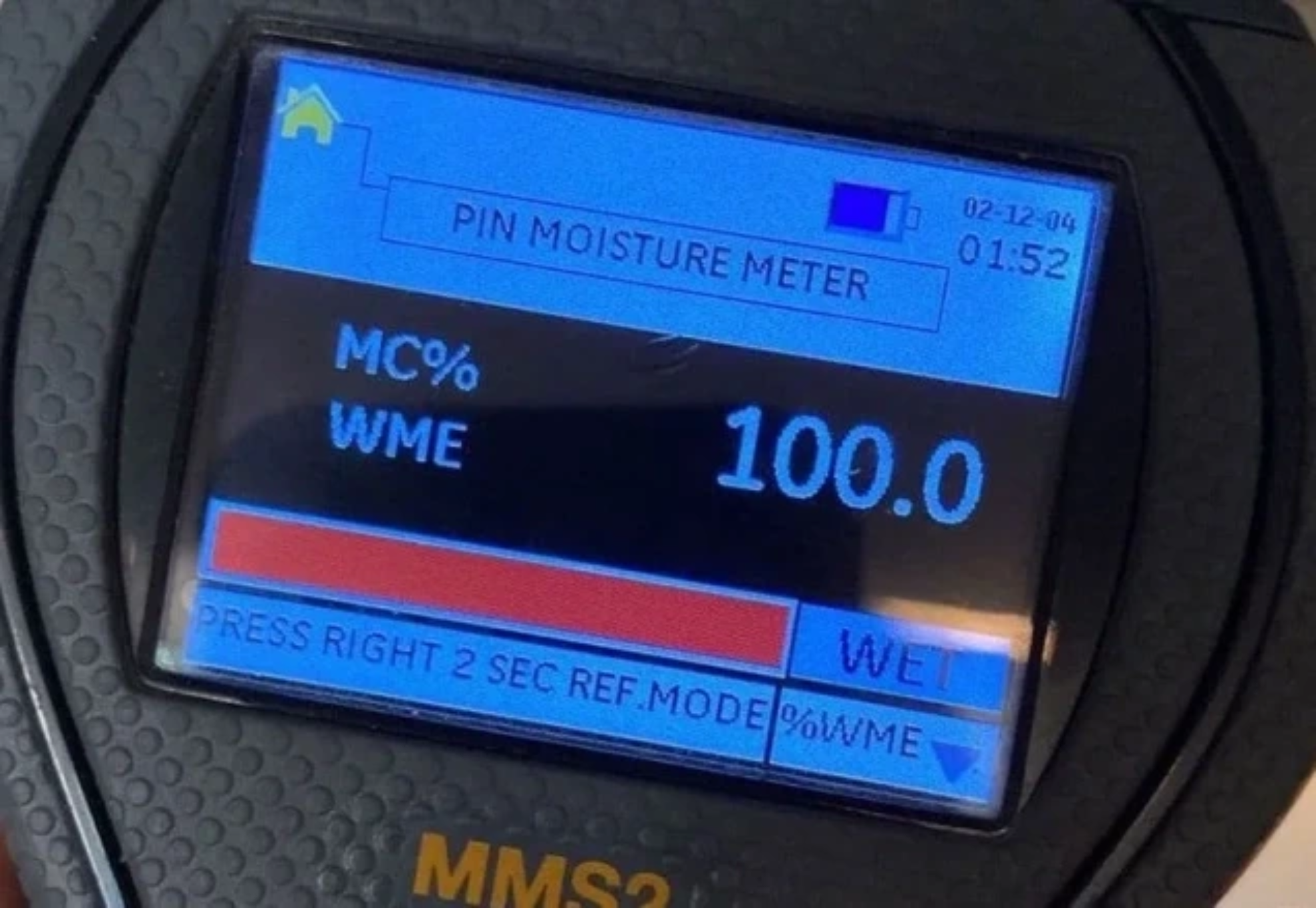
Water can weaken ceiling texture, insulation, flooring, wall systems, and other older building materials. During water restoration services in Dallas-Fort Worth, suspect materials should be identified before demolition or aggressive drying activities disturb them. Restoration planning may need to coordinate moisture mitigation with asbestos controls.
Once abatement and any required clearance are complete, residential restoration services can address damaged drywall, flooring, insulation, trim, and finishes. Sequencing the work correctly helps prevent newly installed materials from being placed before environmental hazards and moisture conditions are resolved.
Frequently Asked Questions About Asbestos Remediation
How do I know if my home has asbestos?
You cannot confirm asbestos by sight, color, or texture. A trained professional can evaluate suspect materials and collect samples for laboratory analysis when testing is appropriate.
Is asbestos dangerous if it is left alone?
Asbestos-containing material that is intact and will not be disturbed is generally less likely to release fibers. Damaged, deteriorating, or disturbed material requires professional evaluation. Do not touch, drill, sand, or sweep suspect material.
Where is asbestos commonly found?
It may be present in some older pipe insulation, flooring and mastic, textured coatings, roofing and siding products, cement materials, joint compounds, and thermal-system insulation. Only testing can confirm a specific material.
Can I remove asbestos myself?
DIY removal is not recommended. Improper handling can release fibers, spread contamination, and create disposal or regulatory problems. Use trained and appropriately qualified asbestos professionals for sampling, repair, encapsulation, or removal.
What happens during asbestos remediation?
The process typically includes assessment, testing when needed, a written work plan, containment, controlled repair or removal, specialized cleaning, compliant waste handling, and verification before the area is returned to normal use.
Arrange Professional Asbestos Help in Dallas-Fort Worth
Do not disturb suspect asbestos-containing material during cleanup, renovation, or demolition. Zeus Restoration provides asbestos abatement and coordinated restoration support throughout Dallas-Fort Worth. Call (972) 587-6960 to discuss the property conditions and arrange the appropriate next step.