What You Should Know About Fire Damage Restoration

What You Should Know About Fire Damage Restoration

Quick Summary

Fire damage restoration involves much more than cleaning visible soot or repairing areas touched by flames. A house fire can leave behind smoke residue, odors, water damage, damaged contents, and structural concerns. Once fire officials confirm that the property is safe to enter, homeowners should document the condition, contact their insurance company, and arrange for a professional assessment. Fire restoration may include board-up services, debris removal, smoke and soot cleaning, odor control, water extraction, drying, contents evaluation, and repairs. Understanding the restoration process can help Dallas-Fort Worth homeowners make informed decisions after a fire.

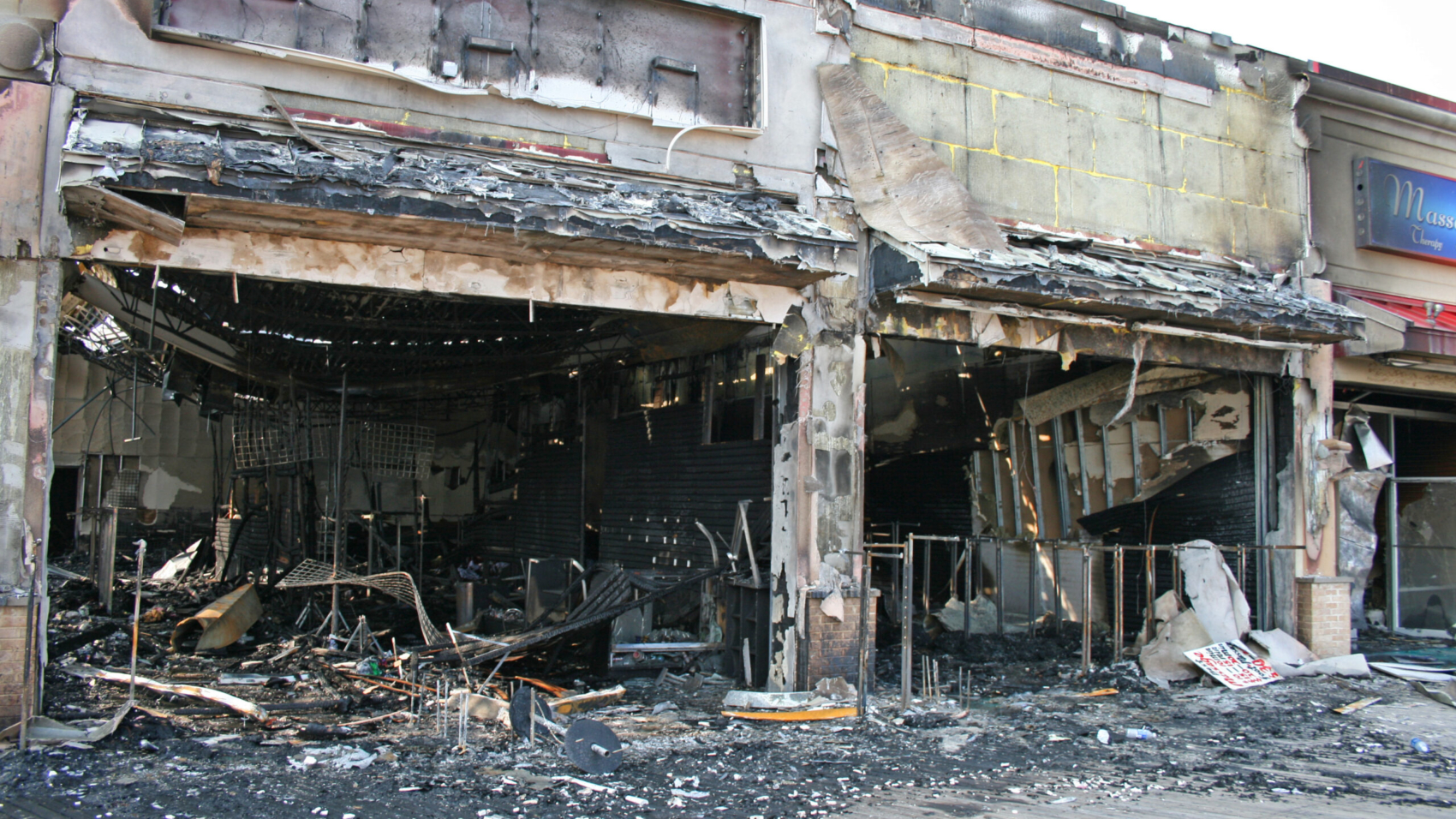
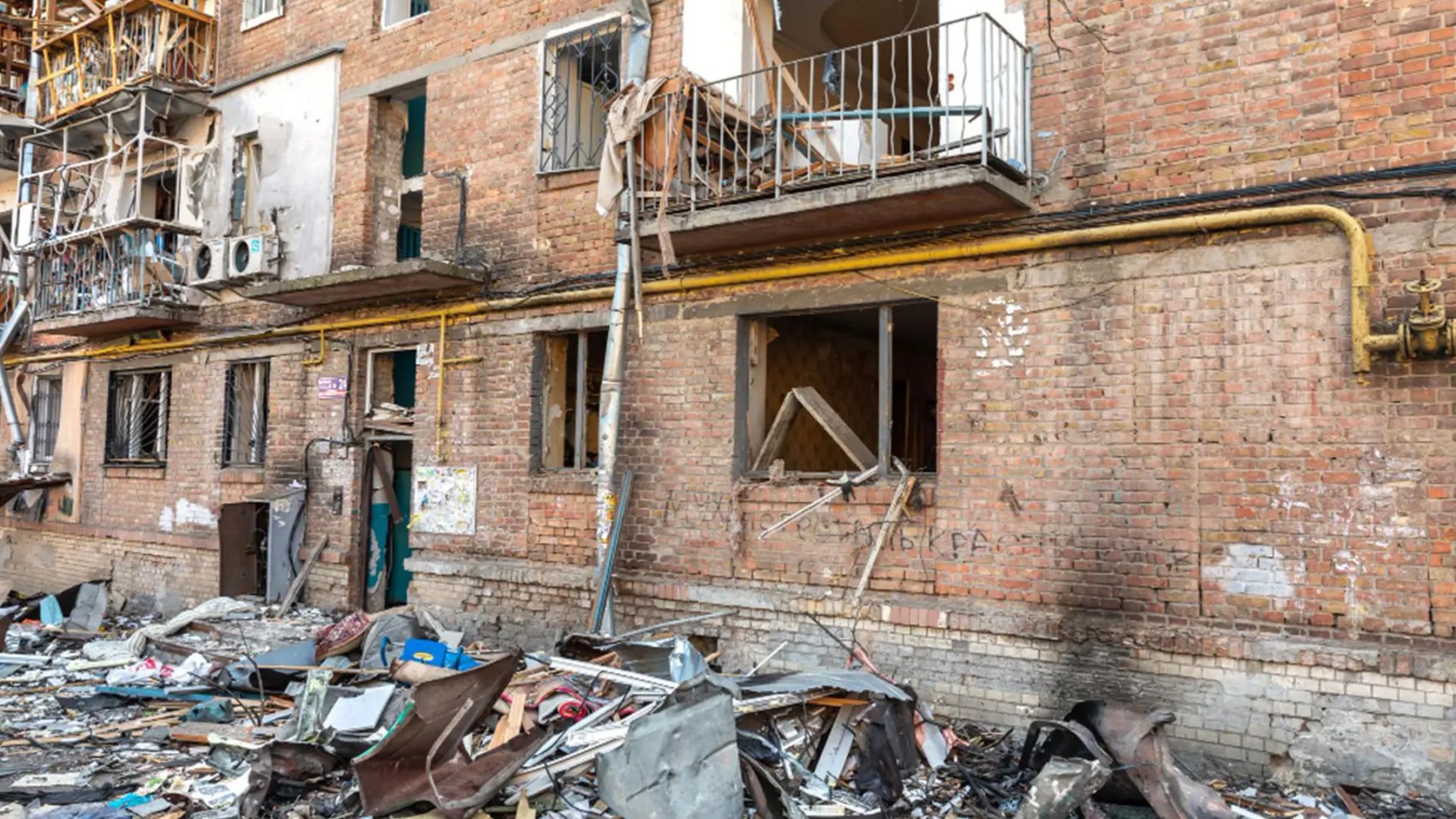
Fire damage can affect far more than the area where flames were visible. After a house fire, homeowners may be dealing with smoke residue, soot, odor, damaged belongings, broken windows, structural concerns, and water damage from firefighting efforts. If you are searching for fire cleanup companies in Dallas or wondering what to do after a house fire, the safest first step is to wait until officials say the home is safe to enter.

Even when flames are contained to one room, smoke and soot can travel throughout a property. Heat can also affect materials beyond the areas where fire was directly visible. Water and firefighting chemicals may create additional damage during suppression efforts. This means a complete assessment should look beyond the most obvious areas of damage.

Once cleared, take photos, contact your insurance company, and avoid wiping soot, moving damaged materials, or turning on utilities without guidance. Fire damage restoration usually includes emergency board-up, debris removal, smoke and soot cleaning, odor control, contents review, drying, and repairs. Knowing how to clean up water damage is also important because wet drywall, flooring, and insulation can lead to mold if not dried correctly.

The restoration process should begin with stabilization and assessment rather than immediately replacing damaged materials. A structured approach can help identify what needs to be cleaned, what can be restored, and what may require removal or repair.

What to Do After a House Fire

The period immediately after a fire can be overwhelming. Before thinking about repairs, focus on safety and documentation. Do not enter the property until the appropriate officials have confirmed that it is safe.

Once entry is permitted, homeowners can:

  • Photograph and document visible damage.
  • Contact their insurance company to report the loss.
  • Avoid disturbing soot-covered surfaces unless advised by a professional.
  • Avoid turning utilities back on without appropriate guidance.
  • Contact a professional fire damage restoration company for an assessment.

These steps can help establish a record of the property’s condition while reducing the chance of making existing damage worse.

Why Smoke and Soot Require Professional Cleaning

Smoke damage can remain even in areas that were not directly touched by flames. Smoke particles can settle on walls, ceilings, flooring, furniture, fixtures, and personal belongings. The type of residue can vary based on what burned and how the fire spread.

Improper cleaning can make some surfaces harder to restore. Wiping soot without the right method can spread residue across a larger area or push contaminants further into porous materials. Professional smoke damage restoration takes the affected material and condition into account when determining the appropriate cleaning approach.

Cleaning is also only one part of the process. Smoke odors can remain after visible residue has been removed, which is why odor control may be necessary during fire damage cleanup.

Water Damage After a House Fire

Fire suppression can leave substantial amounts of water inside a home. This water may affect drywall, flooring, insulation, cabinets, furniture, and other materials. Water can also move into areas that are not immediately visible.

This creates a second restoration concern after the fire itself. If wet materials remain damp, they may deteriorate and can create conditions favorable to mold growth. Water extraction and drying may therefore become part of the fire restoration process.

Homeowners searching for information about how to clean up water damage after a fire should avoid assuming that visible water is the entire problem. Moisture can remain beneath flooring, behind walls, and inside other building materials.

Zeus Restoration also offers water damage restoration services in Dallas-Fort Worth to address water-related damage that can occur during or after a fire.

Emergency Board-Up and Property Stabilization

A fire can leave windows, doors, walls, roofing, or other portions of a property exposed. Emergency board-up services can help secure openings while the restoration plan is being developed.

Stabilizing the property is an early part of fire damage restoration because the home may remain vulnerable after the fire has been extinguished. Securing damaged openings can help protect the property from additional exposure while cleaning and repairs are being arranged.

The exact stabilization work depends on the condition of the building and the areas affected by the fire.

Contents Review and Cleaning

Not everything inside a fire-damaged home is necessarily beyond repair. Furniture, clothing, documents, household goods, and other belongings may have different levels of smoke, soot, heat, or water damage.

A contents review can help determine which items may be candidates for cleaning or restoration and which items have sustained damage that cannot reasonably be reversed. Items may need to be documented and carefully handled as part of the overall restoration process.

This step can also help homeowners create a clearer inventory for insurance documentation.

Fire Damage Restoration and Insurance Claims

Insurance documentation can become a major part of the recovery process after a house fire. Homeowners may need to document damaged building materials, contents, emergency services, and other losses.

Zeus Restoration provides customers with a customer care coordinator who can help walk homeowners through steps and documentation with their insurance company when they begin their claim.

Having an organized record of the damage and restoration work can make it easier to communicate with the parties involved in the claim. Homeowners should follow the instructions of their insurance carrier regarding documentation and claim procedures.

How Long Does Fire Restoration Take?

Timing depends on the size of the fire, smoke spread, water damage, and repair needs.

There is no universal timeline for fire damage restoration. A small localized fire may require a very different restoration plan than a larger fire that affects multiple rooms or floors.

The condition of the property after fire suppression also matters. If significant water entered the home, drying may need to occur before certain repairs can begin. Smoke and soot cleaning may also take time, particularly when residue has spread throughout the property.

Structural repairs, contents restoration, odor treatment, and reconstruction can add additional stages to the project. A professional assessment can help homeowners understand the likely sequence of work based on the specific damage.

When Fire Damage Requires Reconstruction

Some properties need more than cleaning after a fire. Heat, flames, smoke, and water can damage drywall, flooring, ceilings, framing, cabinetry, and other building components. Materials that cannot be restored may need to be removed and replaced.

Reconstruction generally follows the stabilization, cleaning, drying, and assessment stages when those services are required. The goal is to return the affected areas to a functional condition while addressing the damage identified during the restoration process.

This makes reconstruction an important part of the recovery process for properties with significant fire damage.

Why Professional Fire Damage Restoration Matters

Fire restoration involves several types of damage that can overlap. Smoke may affect areas far from the fire. Water may remain after suppression. Structural components may need evaluation, while belongings require separate attention.

A professional restoration company can coordinate these concerns as part of a structured process. This can help homeowners understand what is happening, which areas need immediate attention, and what work may follow.

Zeus Restoration serves homeowners throughout the Dallas-Fort Worth area with fire damage restoration services. Our restoration services can address the cleanup, drying, stabilization, and repair needs that may follow a residential fire.

We also offer residential restoration services for homeowners dealing with multiple forms of property damage.

Frequently Asked Questions

What should I do first after a house fire?

Make sure everyone is safe and wait for fire officials to clear the home before entering. Once the house is cleared, a restoration company is able to walk the property with you to help assess the damage and create a protocol. 

Can I clean soot myself?

It is best to avoid wiping soot because improper cleaning can smear residue and worsen damage.

Does fire damage include water damage?

Yes. Water used to put out the fire can soak walls, floors, ceilings, and belongings.

How long does fire restoration take?

Timing depends on the size of the fire, smoke spread, water damage, and repair needs.

Who should I call after a house fire?

Call emergency officials, your insurance company, utility providers, and a restoration company.
What Do Mold Remediation Services Do?

What Do Mold Remediation Services Do?

Quick Summary

Mold remediation services address more than visible mold. The process can include identifying the moisture source, assessing affected areas, containing the work zone, removing contaminated materials, cleaning surfaces, drying the structure, and preparing the property for repairs. Mold can develop after leaks, flooding, high humidity, or other moisture problems, including in areas that are difficult to see. Professional mold remediation focuses on addressing both the existing mold and the conditions that allowed it to grow. For homeowners looking for mold remediation in Dallas-Fort Worth, understanding the process can help you determine when professional assistance may be appropriate.

Mold remediation services help identify, contain, remove, clean, and prevent mold growth inside a home or building. If you’re looking for help with mold in Dallas – whether you’re searching for mold removal, dealing with black mold concerns, or trying to figure out how to get rid of mold in your home – the first step is understanding that mold is usually a sign of an underlying moisture issue that needs to be addressed.

Simply removing visible mold without addressing moisture can leave the conditions for future growth in place. That is why professional mold remediation looks at the larger problem rather than focusing only on the surface.

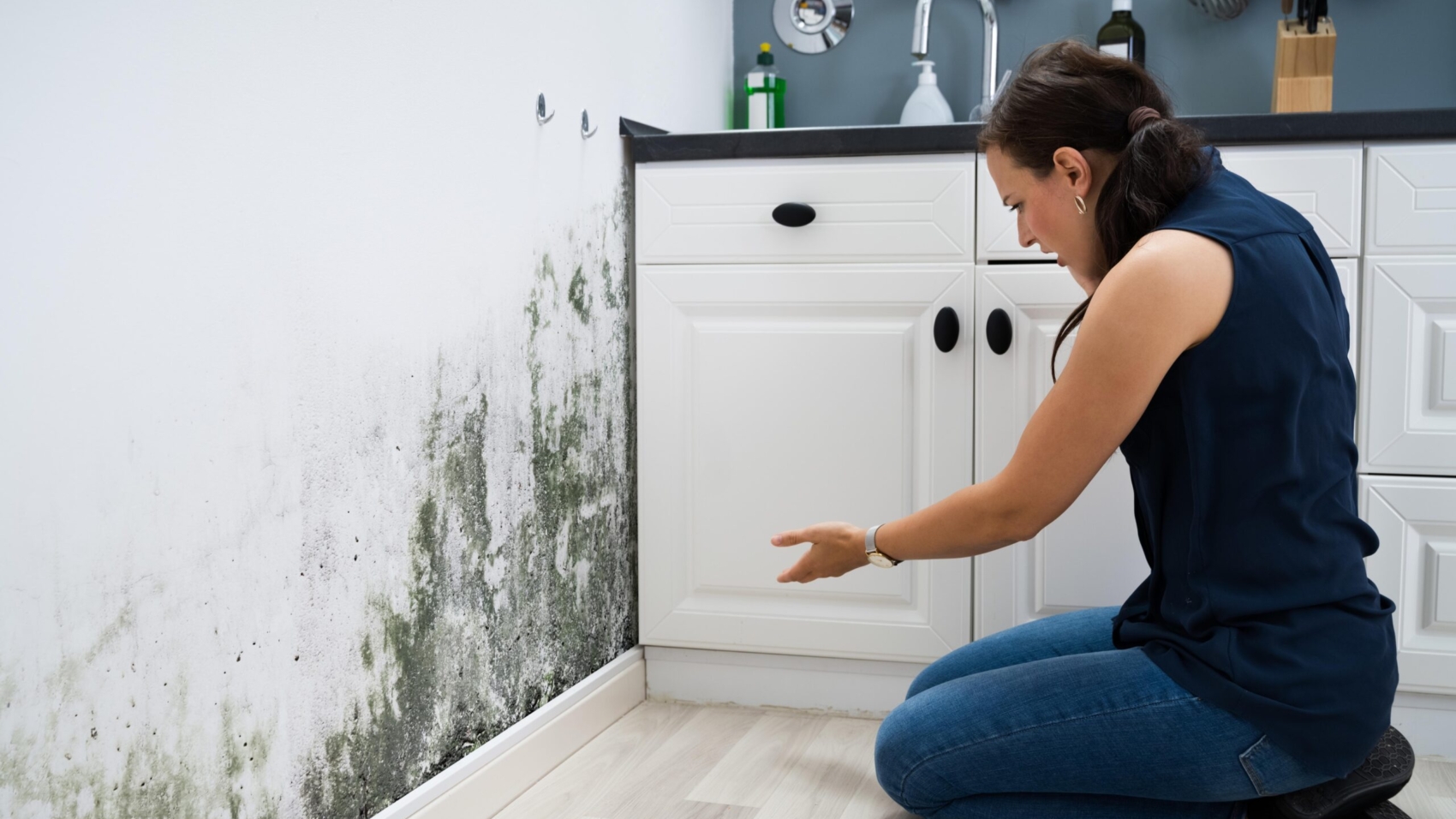
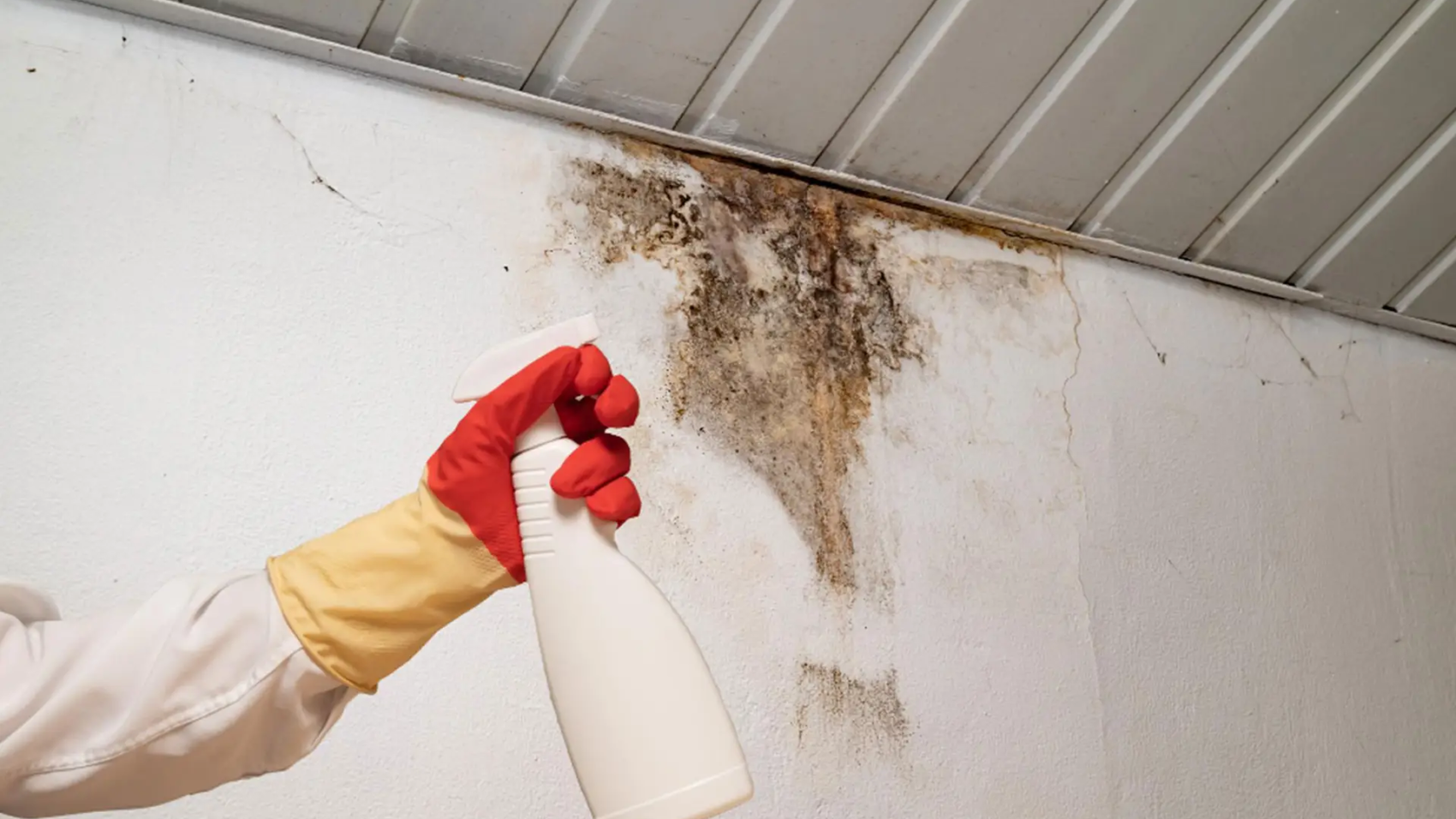
Mold can grow on drywall, flooring, insulation, wood, ceilings, cabinets, and hidden areas after leaks, flooding, humidity, poor ventilation, or even moisture being trapped behind something like wallpaper. Black mold is a common concern, but color alone does not determine how harmful mold may be. Any indoor mold should be addressed because it can affect air quality and may cause allergy-like symptoms, asthma flare-ups, coughing, irritation, or other issues for sensitive people.

Mold can develop in both obvious and hidden locations. A musty odor, visible spotting, water staining, or a history of moisture damage may indicate that further assessment is needed. Because mold can grow inside wall cavities or beneath certain materials, visible growth does not always show the full extent of the problem.

What Do Mold Remediation Services Include?

A professional mold remediation company begins by finding the moisture source, assessing affected materials, and creating a containment plan so that the mold does not travel to other parts of your home during the removal process. The process may include sealing off the area, using air filtration, removing contaminated porous materials, cleaning surfaces, drying the structure, and verifying the area is ready to rebuild.

The exact steps depend on the size and location of the affected area, the materials involved, and the source of moisture. A small area with surface growth may require a different approach from widespread contamination following a flood or long-term leak.

A typical mold remediation project may involve:

  • Identifying the source of moisture
  • Assessing visible and potentially hidden affected areas
  • Creating containment around the work area
  • Using appropriate air filtration and protective measures
  • Removing materials that cannot be effectively cleaned
  • Cleaning affected surfaces
  • Drying damp building materials
  • Addressing the conditions that contributed to mold growth
  • Preparing the area for reconstruction when necessary

The goal is not just to clean visible mold, but to correct the conditions that allowed mold growth in the first place.

Why is Moisture Control Important?

Moisture is one of the main conditions that allows mold to grow. Leaking plumbing, roof leaks, flooding, condensation, high indoor humidity, and inadequate ventilation can all introduce or maintain moisture inside a building.

If the moisture source remains unresolved, cleaning alone may not address the underlying problem. For example, removing mold from a wall while moisture continues entering the wall cavity can leave the same area vulnerable to recurring growth.

This is why mold remediation and water damage restoration can sometimes overlap. A property that develops mold after a plumbing leak or flood may require both moisture correction and mold-related restoration. Zeus Restoration also offers water damage restoration services for DFW homeowners dealing with water-related property damage.

How Does Mold Containment Work?

Containment is intended to limit the movement of mold-containing dust and debris from an affected area into unaffected parts of the property. The setup can vary depending on the size and location of the affected area.

A remediation team may isolate the work zone and use appropriate air filtration equipment during the project. These measures help keep the remediation area controlled while affected materials are being cleaned or removed.

Containment is particularly important when porous materials need to be disturbed. Removing contaminated drywall, insulation, flooring, or other materials can release particles into the surrounding area if the work is not carefully managed.

What Happens to Contaminated Materials?

Some building materials can be cleaned and restored. Others may be too porous, damaged, or contaminated to clean effectively and may need to be removed.

Drywall and certain types of insulation are examples of materials that may require removal when they have sustained significant moisture or mold-related damage. Wood, concrete, metal, and other surfaces may have different cleaning considerations.

The decision should be based on the condition of the material and the circumstances of the contamination. Removing every material that has come into contact with moisture is not always necessary, just as cleaning every visible surface may not address hidden contamination.

Is Black Mold Different From Other Mold?

Black mold is a common concern, but color alone does not determine how harmful mold may be.

People often use the term “black mold” to describe dark-colored mold growth. However, color is not a reliable way to determine the type of mold present or the potential health effects.

Homeowners should focus on addressing visible indoor mold and the moisture conditions that support its growth rather than trying to identify a mold type based only on appearance. If the type or extent of suspected contamination needs to be established, an appropriate environmental professional may be able to assist with assessment and testing.

When Should a Mold Hygienist Be Involved?

In some cases, a mold hygienist or third-party environmental professional may be needed to confirm whether suspected areas are actually mold and to help determine the extent of contamination. This can be especially helpful when mold is hidden, widespread, or difficult to identify visually.

Third-party environmental professionals can have a different role from the company performing remediation. Depending on the circumstances, an independent assessment may help establish the scope of a suspected mold problem or assist with clearance-related decisions after remediation.

Testing is not automatically needed for every visible mold situation. The appropriate approach depends on the property, the suspected contamination, and the questions that need to be answered.

Can Mold Be Hidden Behind Walls?

Yes. Mold can develop in locations that are not immediately visible. Moisture may enter wall cavities, remain beneath flooring, collect behind cabinets, or become trapped beneath wallpaper and other finishes.

Hidden mold may be suspected when there is a persistent musty odor, unexplained staining, a history of water intrusion, or recurring moisture in a particular area. However, these signs do not prove that hidden mold is present. A qualified professional can assess the situation and determine what further investigation may be appropriate.

Avoid opening walls or removing building materials simply because you suspect hidden mold. Unplanned disturbance can spread dust and debris and may make the problem harder to control.

How Do You Stop Mold From Coming Back?

Fix the moisture source, dry affected materials, improve ventilation, and control humidity.

Long-term mold prevention starts with moisture management. Repairing leaks, addressing water intrusion, improving airflow, and keeping indoor humidity under control can help create less favorable conditions for mold growth.

After water damage, affected materials should also be dried properly. This is one reason water damage restoration can play an important role in preventing moisture-related problems from developing into larger restoration issues.

Homeowners should also pay attention to recurring condensation, plumbing leaks, roof problems, and areas where ventilation is poor. A repeated moisture problem deserves attention even when no visible mold is present.

Can You Clean Mold Yourself?

Small surface spots may be cleaned safely, but hidden or widespread mold needs professional help.

The size and location of the affected area matter. Small, isolated surface growth may sometimes be handled by homeowners using appropriate cleaning practices. Larger areas, recurring growth, hidden contamination, or mold associated with significant water damage can require professional assessment.

Homeowners should also consider the source of the moisture before cleaning. If a leak or other water problem continues, cleaning the visible growth without correcting the source may not solve the larger issue.

Why Choose Professional Mold Remediation?

Professional mold remediation is designed to address the entire restoration process rather than simply make visible growth disappear. Assessment, containment, material removal, cleaning, drying, and moisture correction may all play a role depending on the property.

A structured approach can also help limit the spread of mold-containing debris during cleanup. This matters when affected materials are located near bedrooms, living areas, HVAC pathways, or other occupied portions of the home.

Zeus Restoration helps DFW homeowners with mold restoration services. Our services focus on addressing mold-related property damage while considering the moisture conditions that contributed to the problem.

We also offer residential restoration services for homeowners dealing with broader restoration needs.

Frequently Asked Questions

What is mold remediation?

It is the process of containing, removing, cleaning, and correcting mold-related damage.

Is mold removal the same as remediation?

Not exactly. Mold removal focuses on visible mold, while remediation addresses the cause and spread.

Is black mold dangerous?

Black mold can irritate allergies, asthma, and breathing issues, especially in sensitive people.

Can I clean the mold myself?

Small surface spots may be cleaned safely, but hidden or widespread mold needs professional help.

How do I stop mold from coming back?

Fix the moisture source, dry affected materials, improve ventilation, and control humidity.

Rectangle-2-637x439-1

Asbestos Abatement Services in Dallas-Fort Worth

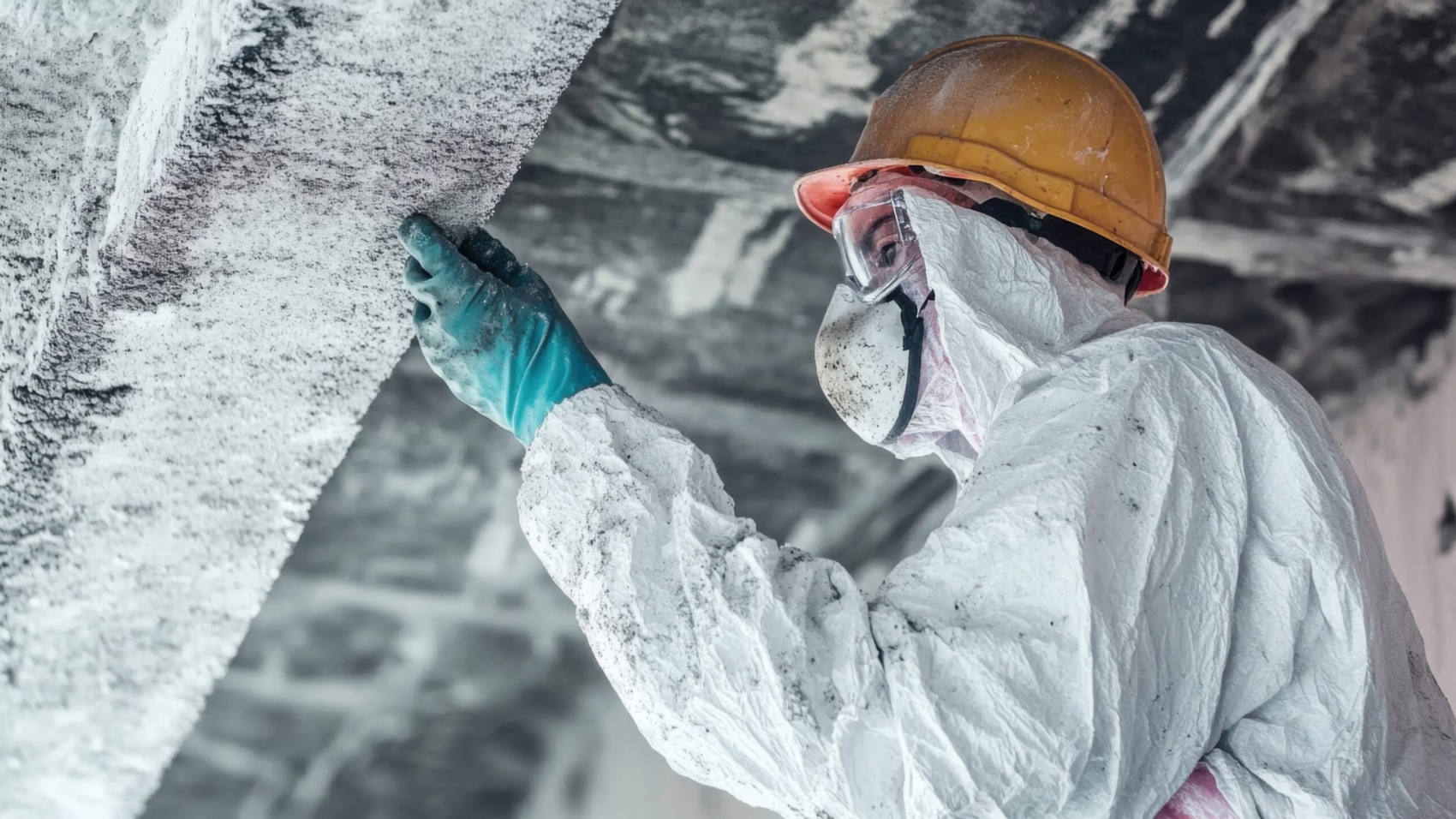
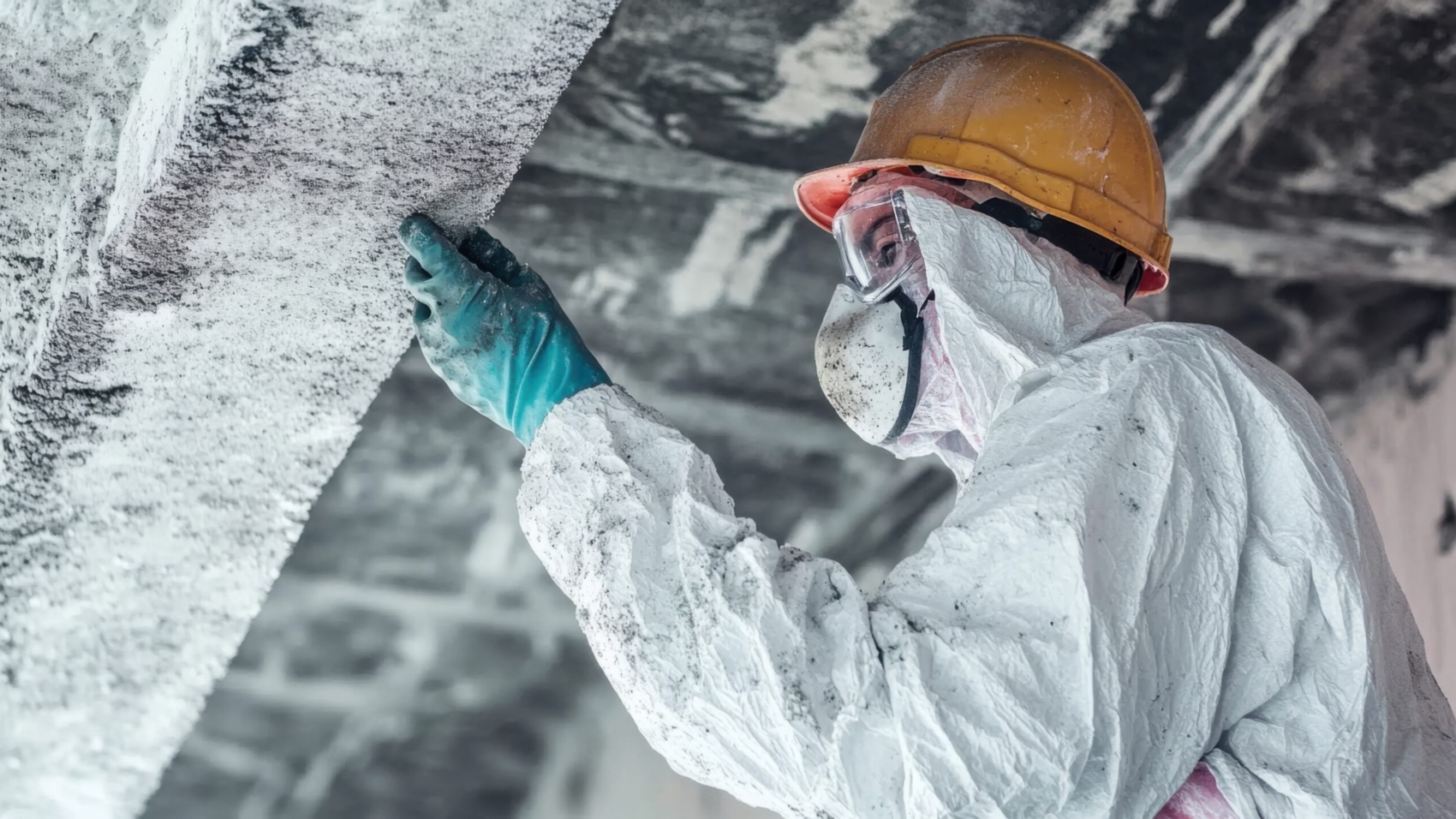
When dealing with asbestos, safety is Zeus Restoration’s top priority. Asbestos fibers can be hazardous if disturbed and released into the air, causing serious health risks such as lung disease or cancer. At Zeus Restoration, we provide professional asbestos abatement services to ensure the safe removal and disposal of asbestos-containing materials from residential properties.

Rectangle-68-637x439

The Wild Life of a Zeus Restoration Technician: A Day in the Life (Texas Edition)

Being a restoration technician at Zeus Restoration is no ordinary gig. It’s an adventure filled with mystery, extreme weather, and the occasional animal encounter. If you’ve ever wondered what life looks like for a technician in Dallas, Texas, grab your iced tea and let me walk you through a day in the life. It’s a little bit of heat, a little bit of chaos, and a whole lot of mess.

Rectangle-2-3-637x439-1

Zeus Restoration: Protecting Your Property from HVAC Leaks

The impact of HVAC leaks goes beyond the immediate water damage they cause. From mold growth to water damage, the repercussions of HVAC leaks can be far-reaching, affecting not only the structural integrity of your property but also the health and well-being of your family or employees. At Zeus Restoration, we understand the urgency of addressing such issues promptly to prevent further damage. Let’s delve deeper into the potential damage caused by leaking HVAC units and explore effective solutions to mitigate these risks.

The Dangers of HVAC Leaks:

Water Damage:

Beyond visible signs of water damage to walls, ceilings, and floors, leaks from HVAC units can seep into hidden spaces, causing structural weakening, warping, and deterioration of building materials.

Mold Growth:

Excess moisture from HVAC leaks creates an ideal environment for mold to thrive. Mold growth not only damages surfaces but also poses serious health risks, especially to individuals with respiratory conditions or allergies.

Electrical Hazards:

Water infiltration from HVAC leaks can reach electrical components, putting your property at risk of electrical malfunctions, short circuits, and even fires.

Indoor Air Quality:

Accumulated water and mold growth from HVAC leaks can compromise indoor air quality, leading to respiratory issues, allergies, and other health concerns.

Solutions to Prevent HVAC Leaks:

Regular Maintenance:

Schedule routine inspections and maintenance for your HVAC system to detect and address potential leaks early.

Install a Leak Detection System:

Consider investing in a leak detection system to provide an early warning of any leaks in your HVAC unit.

Proper Installation:

Ensure your HVAC system is installed correctly by a qualified professional to reduce the risk of leaks and ensure optimal performance.

Monitor Humidity Levels:

Maintain appropriate humidity levels at your property to minimize the risk of condensation and leaks in your HVAC system.

Prompt Repairs:

If you notice any signs of a leak, act swiftly to address the issue before it escalates and causes further damage.

Zeus Restoration: Your Trusted Partner for Emergencies

If you do find yourself facing water damage from an HVAC leak, remember that Zeus Restoration is here to help. Our expert team is dedicated to restoring your property to its pre-damage condition. At Zeus Restoration, “When we restore, we make it better than before.” Contact us at (972) 587-6960 for prompt and professional restoration services to mitigate the effects of water damage and get your property back to its optimal state.

By being proactive in preventing HVAC leaks and knowing you can rely on Zeus Restoration for expert restoration services, you can safeguard your property and maintain a safe, healthy environment.

When We Restore, We Make It Better Than Before.