Holiday Fire Safety: How To Reduce Fire Damage Risks At Home

Holiday Fire Safety: How To Reduce Fire Damage Risks At Home

Quick Summary

Holiday fire safety comes down to a handful of habits around trees, lights, cords, candles, and the stove. We share the tips our crew repeats to friends and family each December, what to do if a fire happens, and how emergency fire restoration helps DFW families recover with board-up, smoke and soot cleaning, water extraction, and repairs.

December fills the house with lights, candles, cooking, and company, and it also brings more chances for something to catch.

A little holiday fire safety goes a long way toward protecting your family, your home, and the traditions you care about. We’re a family-owned restoration company, and these are the habits we keep in our own homes each season.

Holiday Fire Safety Tips for Your Home

Keep the tree, greenery, candles, and decorations at least three feet from fireplaces, space heaters, vents, and other heat sources. Then add these habits:

Holiday Fire Safety: How To Reduce Fire Damage Risks At Home
  • Trees: Water a live tree daily, because a dry one can catch quickly.
  • Lights and cords: Switch off decorative lights before bed or before you leave, skip overloaded outlets, and toss frayed cords.
  • Kitchen: Stay in the kitchen when something is cooking, and keep towels, paper, packaging, and decorations clear of the stove.
  • Candles: Set candles on a sturdy surface and blow them out when you leave the room.

What To Do If a Fire Happens

If a fire starts, get everyone out, call 911, and stay outside until officials say it’s safe. After the fire is out, emergency fire restoration may include:

  • Board-up: Securing broken windows, doors, and roof openings.
  • Smoke and soot cleaning: Removing residue and odor from surfaces and belongings.
  • Water extraction: Drying the areas soaked by firefighting water.
  • Repairs: Rebuilding damaged rooms once cleanup is done.

Our article on what you should know about fire damage restoration walks through the full process.

Celebrating Safely This Holiday Season

At Zeus Restoration, we help DFW homeowners recover from holiday fires with fire damage restoration, water damage restoration, and repairs. If the worst happens, reach out to us or call (972) 587-6960, and our 24/7 team will help you take the next step.

FAQs

What should I do first after a house fire?

Make sure everyone is out and safe, call 911, and wait for officials to clear the home.

Who do I call first after fire damage?

Call 911 first, then your insurance company, your utility providers, and a restoration company.

Can I clean soot myself?

It’s best not to. Wiping soot can smear residue and make the damage worse.

Does fire damage include water damage?

Yes. Firefighting water can soak walls, floors, ceilings, and belongings.

How can I reduce holiday fire risks?

Keep heat sources away from decorations, stay close when you cook, use safe lighting, and blow out candles before leaving a room.

Emergency Water Damage Restoration Near Me: What To Expect When You Call

Emergency Water Damage Restoration Near Me: What To Expect When You Call

Quick Summary

When you need emergency water damage restoration near you, a fast, local response limits how far the water travels. We cover what to do before help arrives, the questions we ask on the phone, and what happens once our IICRC-certified crew reaches your DFW property, from inspection and extraction to drying and moisture checks.

Water doesn’t wait for business hours, and we know how stressful those first minutes feel. A burst pipe, a roof leak, an overflowing toilet, or a failed appliance can reach flooring, drywall, ceilings, insulation, and belongings fast.

If you’re searching for emergency water damage restoration, call a restoration company that offers emergency response, water extraction, drying, and moisture monitoring.

Finding Emergency Water Damage Restoration Near Me in DFW

Distance matters in an emergency, because a nearby crew reaches your door sooner and less water soaks into the structure. Our team is based in Royse City and serves the Dallas-Fort Worth metroplex around the clock. Whoever you call, look for IICRC-certified technicians, quick communication, and experience with insurance claims.

What To Do Before Help Arrives

If you can do it safely, stop the water first. These quick steps limit the damage until we get there:

  • Stop the water: Turn off the main valve or the supply valve behind the fixture.
  • Stay safe: Keep away from standing water near outlets, cords, or the electrical panel.
  • Take photos: A quick video of each wet room helps your insurance claim.

On the phone, we’ll ask what happened, where the water is coming from, how long things have been wet, and whether it’s safe to go inside. Our guide on what to do if a pipe bursts in your home goes deeper on plumbing emergencies.

What To Expect When Our Crew Arrives

Once we’re on site, the work follows a predictable order:

Emergency Water Damage Restoration Near Me: What To Expect When You Call
  • Inspection: We check the affected rooms and use meters to find moisture you can’t see.
  • Extraction: We pump out standing water and move furniture and belongings out of the way.
  • Drying and monitoring: We remove ruined materials when needed, set air movers and dehumidifiers, and take readings until the structure is dry.

Fast drying lowers the risk of mold, odors, and warped floors.

Fast, Local Help When Water Damage Strikes

At Zeus Restoration, we help DFW homeowners and businesses with water damage restoration, commercial restoration, and mold remediation around the clock. Reach our 24/7 team or call (972) 587-6960, and we’ll get a crew headed your way.

FAQs

Who do I call first after water damage?

If anyone is in danger, call 911 first. After that, call a plumber if needed, your insurance company, and our restoration team.

What should I do immediately after water damage?

Stop the water if it’s safe, stay away from wet electrical areas, take photos, and call for help.

Can water damage cause mold?

Yes. Mold can start growing within 24 to 48 hours when materials stay wet.

Can I clean up water damage myself?

A small clean-water spill may be manageable, but bigger losses need professional drying.

What should I expect when the crew arrives?

We’ll inspect the damage, extract water, set up drying equipment, track moisture, and explain each next step.

5 Common Causes Of Commercial Water Damage Business Owners Often Miss

5 Common Causes Of Commercial Water Damage Business Owners Often Miss

Quick Summary

Commercial water damage usually starts small, with a slow plumbing leak, a roof drain that backs up, an HVAC condensate line, a cracked exterior seal, or a sprinkler or appliance failure. We cover how to spot each one, what to do in the first hour, and how our IICRC-certified crew helps DFW businesses keep repair bills and downtime low.

Commercial water damage can start with something as small as a brown ring on a ceiling tile or a mechanical room that smells a little off on Monday morning.

Business owners often miss these quiet moisture problems until they turn into expensive repairs, safety concerns, mold growth, or a closed storefront. We’d like to help you catch them sooner.

Why Commercial Water Damage Often Goes Unnoticed

Water is patient, running along framing, ductwork, and the underside of flooring before anyone notices a stain. Leaks that start at night or over a weekend get a head start, and in a shared building, the drip in your suite may begin upstairs. If a stain, odor, or damp spot comes back twice, it’s worth an inspection.

Five Common Causes Business Owners Often Miss

These are the five sources our technicians keep tracing on commercial calls:

  1. Slow plumbing leaks: A supply line behind a restroom wall can drip for weeks, leaving stained ceiling tiles, damp drywall, a musty smell, or cupped flooring.
  2. Roof and drainage issues: Ponding water on a flat roof, clogged scuppers, worn flashing, or loose seals around rooftop units let water in, sometimes far from the visible stain.
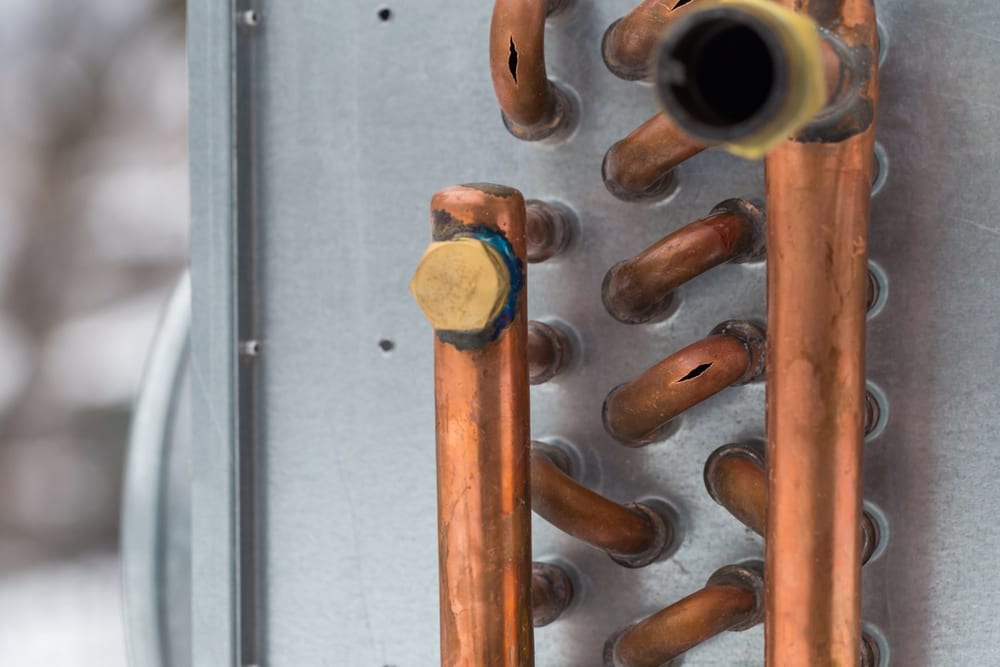
  3. HVAC condensation: A clogged condensate line or rusted drain pan can soak ceiling tiles, and our guide to protecting your property from HVAC leaks covers the warning signs.
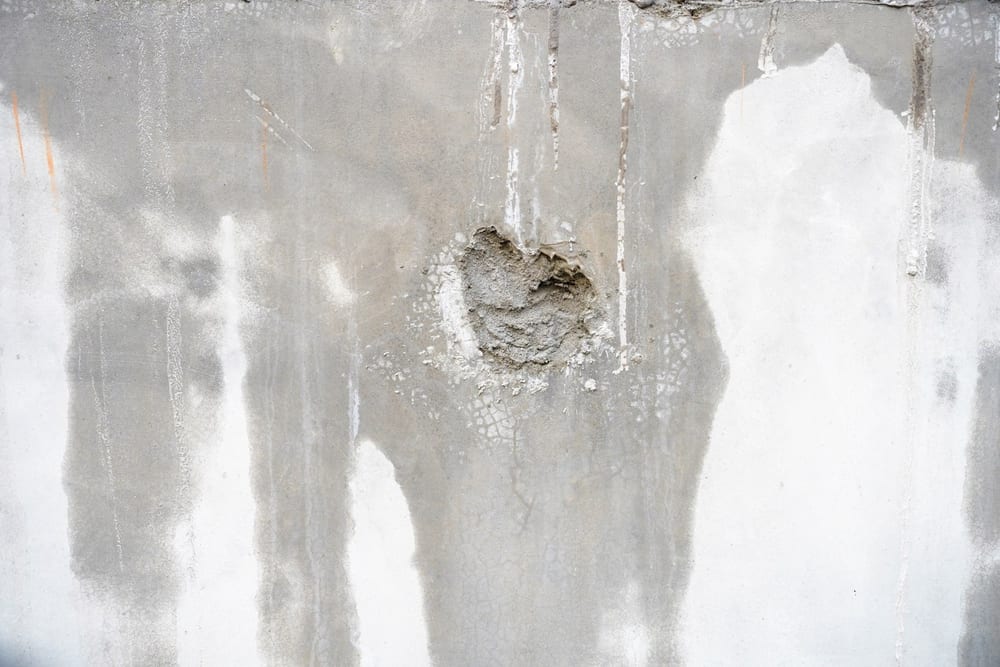
  4. Foundation or exterior leaks: Poor grading, cracked sealant, and worn window or door seals let water in during North Texas storms, usually along the lowest wall.
  5. Appliance or sprinkler failures: Ice makers, water heaters, restroom fixtures, and sprinkler lines can fail with little warning, often after hours.

Warning Signs Worth a Closer Look

Bubbling paint, soft drywall, stains that return after cleaning, a humid back office, and unexplained mold are all worth a call. If you spot one, these steps limit the spread:

5 Common Causes Of Commercial Water Damage Business Owners Often Miss
  • Find the source: Turn off the fixture or the nearest shut-off valve if it’s safe to reach.
  • Document the area: Photograph stains, standing water, and damaged stock before anything moves, which helps your insurance claim.
  • Call for drying: Our team brings extraction, moisture mapping, and drying equipment, then handles repairs so you reopen sooner.

Wet drywall, carpet, and insulation can begin to grow mold within 24 to 48 hours. A fast response keeps the repair smaller and your doors open.

Protecting Your Business From Hidden Leaks

At Zeus Restoration, we help DFW businesses with water damage restoration, mold remediation, and repairs, and our IICRC-certified technicians answer 24/7. Schedule a free inspection with our team or call (972) 587-6960, and we’ll help you stop a small problem before it gets expensive.

FAQs

What are early signs of water damage?

Watch for stains, odd smells, peeling paint, soft drywall, and damp spots that keep coming back.

Can a small leak cause major damage?

Yes. A slow leak can soak walls, flooring, insulation, and ceilings for weeks before it’s visible.

How fast should water damage be dried?

As fast as you can. Drying wet materials within 24 to 48 hours lowers the chance of mold growth.

Who handles commercial water damage?

Our commercial restoration team inspects, extracts water, dries materials, and coordinates repairs from start to finish.

How do I prevent future leaks?

Inspect plumbing, the roof, HVAC drain lines, windows, grading, and exterior sealant regularly, and again after major storms.

How Long Does Mold Remediation Take From Start To Finish?

How Long Does Mold Remediation Take From Start To Finish?

Quick Summary

Mold remediation can wrap up in a few days or take longer than a week, depending on how much mold there is, what it has grown into, and whether the leak behind it is fixed. We walk you through each stage from inspection to drying, explain why we don’t rush it, and share a few things you can do to keep our DFW crew on schedule.

How long does mold remediation take? Plan on a few days to a little over a week, depending on how much mold you’ve got, what it’s growing on, and whether the leak that started it is fixed. A small patch under the sink goes fast, and mold remediation that has crept into drywall, insulation, flooring, or the HVAC system takes longer.

How Long Does Mold Remediation Take at Each Stage?

Here’s roughly how a typical job plays out:

  • Inspection and planning: We track down the moisture and write up a plan for your home.
  • Containment and filtration: Plastic barriers and air scrubbers go up before we touch a thing.
  • Removal and cleaning: Soaked porous materials come out, and surfaces we can save get cleaned.
  • Drying and preparation: Dehumidifiers dry out the structure, and we get the room ready for repairs.

The goal is getting rid of the mold you can see and fixing whatever let it grow in the first place.

Why Proper Remediation Takes Time

Hire a restoration company with IICRC-certified technicians who know the standards for cleaning, drying, containment, and paperwork.

A rushed job can blow spores onto other damp surfaces, and then you’re calling someone again down the road. Our article on what mold remediation services do goes through each step in more detail.

Ways To Keep Your Project on Schedule

You can help us move faster, too:

How Long Does Mold Remediation Take From Start To Finish?
  • Fix leaks quickly: We can get started sooner once the water’s shut off and repaired.
  • Clear the room: Moving small stuff out ahead of time saves us setup time.
  • Call your insurer early: Getting the claim going keeps paperwork from stalling repairs.
  • Plan the rebuild: Lining up repairs ahead of time puts your home back together faster.

Getting Your Home Back on Track After Mold

At Zeus Restoration, we help DFW homeowners with mold remediation, water damage restoration, and residential restoration services from the first walkthrough to the last coat of paint. Send us a message or call (972) 587-6960, and we’ll set up a free inspection and give you a real timeline.

FAQs

How long does mold remediation take?

Smaller jobs often finish in a few days. Bigger or hidden problems take longer.

Can I stay home during remediation?

It depends on where the mold is, how we contain the area, and whether anyone at home has health concerns.

Is mold removal the same as remediation?

No. Removal goes after the mold you can see, and remediation also handles the moisture and the spread.

How do I stop mold from coming back?

Fix leaks, dry wet stuff fast, get air moving, and keep humidity down.

When should I call a professional?

Give us a call when mold is widespread, hidden, keeps coming back, or showed up after water damage.

Mold Removal And Remediation: Learn The Difference

Mold Removal And Remediation: Learn The Difference

Quick Summary

Mold removal wipes the visible growth off a surface, and mold remediation goes after the moisture, the containment, the damaged materials, and the drying too. We put the two side by side, explain why a quick scrub usually doesn’t hold up, and share what to ask a mold remediation company before you hire one for your DFW home.

Here’s a scene we know well: a homeowner sprays a dark spot on the bathroom ceiling, it looks great for a month, and then it’s back.

Mold removal and remediation sound like the same job, though they cover different ground, and that difference decides whether the mold stays gone. Removal usually means scrubbing off or cutting out the mold you can see.

Remediation covers the whole problem. We find the moisture source, seal off the area, pull out damaged materials when we have to, clean what’s contaminated, and dry the structure so the mold has a harder time coming back.

Mold Removal and Remediation Compared

Here’s the quick version:

  • Mold removal: Gets visible growth off the surface.
  • Mold remediation: Tracks down the moisture, contains the area, takes out damaged materials, scrubs surfaces, and dries the structure.
  • Long-term outlook: Remediation deals with the cause, so the mold is less likely to return.

Why Surface Cleaning Often Falls Short

What you see on the wall is often the tip of it. Mold hides behind drywall, under flooring, inside cabinets, and in insulation after leaks, floods, or a stretch of sticky humidity. Wipe the spot without fixing the water, and the spores just wait for the next damp day.

Mold Removal And Remediation: Learn The Difference

Our article on the dangers of mold and expert tips for safe removal digs into hidden growth a little more.

Choosing a Mold Remediation Company

Hire a restoration company with IICRC-certified technicians who follow recognized standards for drying, containment, and restoration. When you’re calling around, ask about:

  • Certifications: IICRC training and BBB accreditation show the company takes industry standards seriously.
  • Moisture testing: A good crew finds the source before it tears anything out.
  • Documentation: Photos and moisture readings help with insurance and give you some peace of mind.

Taking the Next Step Against Mold

At Zeus Restoration, we help DFW homeowners with mold remediation, water damage restoration, and repairs, and our IICRC-certified team is proud to be BBB accredited. Not sure which service you need? Ask our team about an inspection or call (972) 587-6960, and we’ll take a look.

FAQs

What is the difference between mold removal and mold remediation?

Removal goes after the mold you can see. Remediation handles the mold, the moisture behind it, and the damaged materials.

Can I remove mold myself?

A small spot on a hard surface may be fine to wipe up. Hidden or widespread mold calls for a pro.

Does mold come back after removal?

It can, if the moisture source is still there.

Is mold in a house dangerous?

It can affect indoor air and may trigger allergies, asthma, coughing, or irritation.

How do I stop mold growth?

Fix leaks, dry wet stuff fast, get air moving, and keep humidity in check.

Understanding The Mold Remediation Process From Start To Finish

Understanding The Mold Remediation Process From Start To Finish

Quick Summary

The mold remediation process starts by locating the moisture and identifying which materials the mold has reached, then moves through containment, removal, surface treatment, drying, and preparation for repairs. We walk you through each stage, explain why containment matters, and share what to look for in an IICRC-certified mold remediation company for your DFW home.

Mold in a house is usually a water story: a roof leak, a dripping pipe, a flood, sticky humidity, or a bathroom fan that never quite did its job.

Seeing the mold remediation process laid out step by step takes a lot of the stress out of it, so here’s how a job usually goes with our crew.

How the Mold Remediation Process Begins

First, we find where the water is coming from and check which materials the mold has gotten into. Then we may seal off the work area so spores don’t wander into the rest of the house. If the mold has reached drywall, insulation, flooring, cabinets, or other porous materials, air filtration, moisture mapping, and careful demolition come next.

Why Containment Matters

Tearing into mold without containment can kick spores into the air and carry them to other rooms. Once they land somewhere damp, new growth can start, and suddenly the problem is bigger than the patch you first noticed.

Understanding The Mold Remediation Process From Start To Finish

Our article on what mold remediation services do goes into each service in more detail.

Treating, Drying, and Preparing for Repairs

After the damaged materials are out, we wrap up with:

  • Surface treatment: We scrub and treat the surfaces that stay.
  • Drying: Dehumidifiers and air movers dry out the structure so the mold has nothing left to feed on.
  • Prepping for repairs: We get the area ready for rebuild work and keep an eye on indoor air quality.

Choosing a Mold Remediation Company

Hire a restoration company with IICRC-certified technicians, and ask about:

  • IICRC certification: Training in recognized standards for containment, drying, and documentation.
  • Moisture know-how: The tools and experience to find where the water is coming from.
  • Full-service repairs: One crew that handles the job from cleanup to reconstruction.

Starting Your Mold Remediation With Our Team

At Zeus Restoration, we help DFW homeowners with mold remediation, water damage restoration, and repairs, and our family-owned team treats your home like it’s our own. Contact us today or call (972) 587-6960, and we’ll set up a free inspection.

FAQs

How fast can mold grow?

It can get going within 24 to 48 hours when materials stay wet.

How do I remove mold from my home?

Stop the moisture first, then clean or cut out the affected materials safely.

Can I clean mold myself?

A small spot on a hard surface might be manageable. Hidden or spreading mold is a job for a pro.

Is mold dangerous?

It can affect indoor air and may set off allergies, asthma, coughing, or irritation.

How do I stop mold from coming back?

Control moisture, fix leaks fast, dry anything wet, and get some air moving.

Burst Pipe Water Damage: Cleanup, Drying, And Repair Steps

Burst Pipe Water Damage: Cleanup, Drying, And Repair Steps

Quick Summary

Burst pipe water damage can spread quickly through floors, walls, ceilings, and personal belongings. The first steps are to shut off the water, avoid electrical hazards, document the damage, and arrange for pipe repairs. Once the source is controlled, professional water damage restoration can address standing water, hidden moisture, damaged materials, and affected contents. Thorough drying and moisture monitoring can help reduce the risk of mold, odors, and further property damage. For homeowners dealing with burst pipe water damage in Dallas-Fort Worth, acting quickly can make the restoration process more manageable.

A burst pipe can quickly flood parts of a home, soaking floors, walls, and belongings before you even realize what’s happening. In these situations, acting fast matters most – start by shutting off the main water supply and staying clear of any areas where water may have reached electrical components or appliances.

If you cannot safely reach the water shutoff or believe water has entered electrical systems, do not put yourself at risk. Leave the affected area and contact the appropriate professional. Safety should come before cleanup.

Once the water source is stopped, document the damage with photos and call a plumber to repair the pipe. Then, contact a water damage restoration company to begin cleanup, drying, and moisture testing. Burst pipe water damage can spread behind walls, under flooring, and into hidden building materials, so removing visible water is only part of the process.

The sooner the affected areas are assessed, the easier it can be to identify where moisture has traveled. Water does not always remain where it first appears. It can move through seams, insulation, subfloors, drywall, and other building components.

Professional water damage remediation in Dallas may include water extraction, moving affected contents, removing damaged materials, setting drying equipment, monitoring moisture levels, and preparing the home for repairs. Fast drying helps reduce the risk of mold growth, odors, and long-term structural damage.

What to Do After a Burst Pipe

A burst pipe can create a stressful situation, especially when water is still entering the home. Focus on stopping the source and protecting people from immediate hazards before worrying about damaged belongings or finishes.

The basic sequence is:

  • Shut off the water supply if it can be done safely.
  • Stay away from areas where water may have reached electrical outlets, wiring, appliances, or electrical panels.
  • Document visible damage with photos and videos before cleanup when it is safe to do so.
  • Contact a plumber to locate and repair the failed pipe.
  • Contact a water damage restoration company for assessment, extraction, drying, and moisture monitoring.

These steps address the immediate problem while creating a clearer path toward restoration.

Why Burst Pipe Water Damage Needs Fast Cleanup

Standing water can continue affecting building materials after the pipe has been repaired. Flooring, drywall, insulation, cabinets, and other porous materials may absorb moisture and remain wet even after visible water has been removed.

This is why burst pipe cleanup should involve more than using towels or a household wet vacuum. A restoration assessment can help determine the extent of the water intrusion and identify areas that may require specialized drying.

Fast action can also reduce the time that materials remain wet. This matters because prolonged moisture can contribute to odors, deterioration, and microbial growth.

Water Extraction is Only the First Step

Professional water damage remediation in Dallas may include water extraction, moving affected contents, removing damaged materials, setting drying equipment, monitoring moisture levels, and preparing the home for repairs.

Water extraction focuses on removing standing and accessible water from the property. Depending on the amount of water involved, professionals may use commercial extraction equipment designed to remove water more efficiently than standard household equipment.

After extraction, the restoration process shifts toward drying. Air movement and dehumidification can help remove moisture from affected materials and the surrounding air. The equipment used depends on the size of the affected area, the materials involved, and the moisture conditions found during the assessment.

The goal is to address both visible water and moisture that may remain inside building materials.

Hidden Moisture Can Cause Additional Problems

One of the biggest challenges after a burst pipe is moisture that cannot be seen. Water may travel beneath flooring, behind baseboards, into wall cavities, or beneath cabinets. A dry-looking surface does not necessarily mean the material underneath is dry.

Moisture monitoring can help identify these hidden areas. Restoration professionals may use moisture detection tools to evaluate affected materials and track drying progress. This information helps determine when areas have reached appropriate drying conditions.

Without this step, homeowners may assume the property is dry simply because the standing water is gone. Hidden moisture can remain long after the surface appears normal.

When Damaged Materials Need to Be Removed

Not every wet material needs to be removed. The decision depends on the type of material, the amount of water involved, how long it remained wet, and its overall condition.

Some materials may be dried in place when conditions allow. Others may become too damaged to restore and may need removal before repairs begin. Restoration professionals can assess affected components and determine what can reasonably be dried, cleaned, or restored.

Removing damaged materials can also give drying equipment better access to areas where moisture has become trapped. The restoration plan should account for the condition of the property rather than relying on a one-size-fits-all approach.

How Long Does Water Damage Drying Take?

Drying may take several days depending on materials, moisture levels, and airflow.

The exact timeline for burst pipe water damage cleanup varies from one property to another. A small affected area with limited moisture may dry faster than a home where water has entered multiple rooms or building assemblies.

Material type also matters. Porous materials can absorb and retain water, while other surfaces may release moisture more readily. Airflow, humidity, temperature, and the effectiveness of the drying setup can also affect the timeline.

Rather than relying only on a specific number of days, restoration professionals can monitor moisture levels during the process. This helps show whether drying is progressing as expected.

Can a Burst Pipe Cause Mold?

It can. Mold may grow within 24 to 48 hours if wet materials are not dried properly.

The possibility of mold is one reason homeowners should take water damage seriously. When building materials remain damp, moisture can create conditions that encourage microbial growth. The longer materials stay wet, the greater the concern can become.

If mold is identified after a burst pipe, the affected area may require a separate assessment and restoration approach. Zeus Restoration also offers mold restoration services in Dallas-Fort Worth for properties affected by mold-related damage.

What Happens After the Property is Dry?

Drying does not necessarily mark the end of the restoration project. Once moisture levels have been addressed, the property may still require repairs to flooring, drywall, cabinets, trim, paint, or other affected components.

The repair stage depends on the extent of the damage and the materials that were removed or affected. Addressing repairs after the property has been properly dried can help prevent new finishes from being installed over unresolved moisture.

A complete restoration process may therefore move from water removal to drying, cleaning, material removal when needed, and repairs. Keeping these stages organized can help homeowners understand what is happening at each point in the project.

Does Insurance Cover Burst Pipe Water Damage?

Many policies cover sudden water damage, but coverage depends on the cause and policy details.

Insurance coverage can vary significantly between policies. Factors such as the source of the water, the circumstances surrounding the pipe failure, and the specific terms of the policy can affect whether certain restoration or repair costs are covered.

Homeowners should contact their insurance carrier promptly when they believe a claim may be appropriate. Take photos and preserve relevant documentation, including information about the plumbing failure and restoration work. Our insurance FAQs explain what is typically covered and what documentation helps.

Why Choose Professional Water Damage Restoration?

A burst pipe can affect much more than the area where water first appeared. Professional restoration focuses on assessing the full extent of the water intrusion, removing excess water, drying affected materials, and monitoring moisture during the process.

For homeowners in Dallas-Fort Worth, Zeus Restoration approaches water damage restoration as an organized process designed to address immediate damage and help prepare the property for repairs. Our water damage restoration services can help homeowners navigate cleanup and drying after a plumbing emergency. We also partner with plumbing companies that need a restoration crew on site once the pipe repair is finished.

Zeus Restoration also offers residential restoration services for broader property damage needs.

Frequently Asked Questions

What should I do first after a burst pipe?

Shut off the main water valve, avoid electrical hazards, and call a plumber.

Can I clean up water damage myself?

You can remove small amounts of clean water, but hidden moisture often needs professional drying to avoid unseen damages and potential mold growth.

How long does drying take?

Drying may take several days depending on materials, moisture levels, and airflow.

Will a burst pipe cause mold?

It can. Mold may grow within 24 to 48 hours if wet materials are not dried properly.

Does insurance cover burst pipe water damage?

Many policies cover sudden water damage, but coverage depends on the cause and policy details.

How Long Does It Take For Black Mold To Grow?

How Long Does It Take For Black Mold To Grow?

Quick Summary

Black mold can show up within 24 to 48 hours when wet materials stay damp after a leak or flood. Here’s how it gets started, what it likes to eat in a typical house, why the color on the wall won’t tell you much about the risk, and how our IICRC-certified crew tracks down the moisture, seals off the area, and takes out what can’t be saved.

Picture this: you pull the couch out to vacuum and find a fuzzy, dark patch near the baseboard. Black mold can begin growing within 24 to 48 hours after a leak, flood, or spill if the wet materials stay damp, so that patch probably started with water you never saw. Here’s what we’d want you to know before you reach for the bleach.

How Black Mold Grows After Water Damage

Mold only asks for moisture, something organic to chew on, and a room-temperature house. A roof leak, a dripping supply line, or a muggy summer indoors can hand it all three. These are the spots it goes for first:

How Long Does It Take For Black Mold To Grow?
  • Drywall and wood: The paper face of drywall and the studs behind it hang on to water for days.
  • Insulation and carpet: Soft, thirsty materials soak it up and keep it out of sight.
  • Cabinets and ceilings: Hidden surfaces near plumbing usually stay damp the longest.

Folks call us worried about black mold specifically, and we get it. Still, the color can’t tell anyone the species or the risk. Visible mold indoors is worth dealing with, because it can hurt air quality and may set off coughing, wheezing, asthma flare-ups, or irritation in sensitive people.

Choosing a Mold Removal Company

Look for a mold remediation or restoration company with IICRC-certified technicians. The certification means the crew trained on recognized standards for inspection, containment, air filtration, removal, drying, and paperwork.

A good company also goes after what’s hiding behind the wall. Our guide to how fast mold can grow after a leak explains why stopping the water comes before the scrubbing.

What Professional Mold Remediation Involves

When our IICRC-certified technicians show up, the job goes in this order:

  • Correct the source: We find the leak or humidity problem and stop it, or the mold just comes back.
  • Contain the area: Plastic barriers and air scrubbers keep spores from drifting into the rest of the house.
  • Remove damaged materials: We cut out drywall, insulation, or carpet when cleaning won’t do the trick.
  • Dry and document: We dry the structure and record each step for you and your insurance company.

Acting Early When You Spot Black Mold

At Zeus Restoration, we help DFW homeowners with mold remediation, water damage restoration, and repairs. Spotted a patch you don’t like the look of? Connect with our specialists or call (972) 587-6960, and we’ll come take a free look.

FAQs

How fast does black mold grow?

It can get going within 24 to 48 hours if materials stay wet.

Is black mold always toxic?

Not necessarily. Whatever the color, mold deserves careful handling and proper removal.

How do I remove mold from my home?

Stop the moisture first, then clean or cut out the affected materials safely.

Can I clean black mold myself?

A small spot on a hard surface might be manageable. Hidden or spreading mold is a job for professionals.

How do I stop mold from coming back?

Keep things dry, fix leaks fast, get some airflow going, and keep indoor humidity in check.

How Long Does Asbestos Removal Take?

How Long Does Asbestos Removal Take?

Quick Summary

Small asbestos jobs often wrap up in a day, and bigger ones can run several. Here’s what drives that difference, why we won’t touch anything until a lab test comes back, what an abatement crew does from the first sheet of plastic to the last bag of waste, and how our DFW team helps you plan.

A call we get a lot goes like this: someone starts scraping a popcorn ceiling, stops halfway, and wonders what they just stirred up. If that’s you, take a breath.

Asbestos removal runs anywhere from a day for a small area to several days for a bigger project, depending on the material, its condition, and the testing, containment, disposal, and clearance around it.

What Affects How Long Asbestos Removal Takes

In our experience, four things set the pace:

  • Project size: A single bathroom floor and a whole attic of insulation are two very different jobs.
  • Material type: Pipe wrap, ceiling texture, old floor tile, and siding each come off their own way.
  • Testing results: We wait on the lab before anything starts, and that wait can move the start date.
  • Containment and clearance: Setup, cleanup, and final checks are the parts nobody should hurry.

Why Testing Comes Before Removal

Stop scraping, and don’t sweep up the dust. A sample and a lab test are how you find out whether asbestos is there, and disturbing the material in the meantime can put fibers in the air. Our article on why asbestos testing may be needed before demolition explains the testing step.

What Happens During Professional Abatement

Once the results are in, a licensed crew works through these steps:

How Long Does Asbestos Removal Take?
  • Containment: We hang plastic and run negative air so nothing drifts into the rest of the house.
  • Protection: Respirators, coveralls, and HEPA filtration stay in use until the job is done.
  • Removal or encapsulation: Damaged material comes out, and some intact material can be sealed where it is.
  • Cleanup and disposal: We clean the area, then bag, label, and haul the waste off under the rules.

Planning a Safe Asbestos Project

Asbestos work belongs with a licensed abatement contractor who follows containment and disposal rules closely. At Zeus Restoration, we handle asbestos abatement and residential restoration for DFW homeowners. Book your free inspection or call (972) 587-6960, and we’ll give you an honest timeline.

FAQs

How long does asbestos removal take?

Anywhere from a day to several days, depending on the size of the job and the setup it needs.

Can I remove asbestos myself?

Please don’t. Scraping or sanding is how fibers end up in the air.

Do I need testing first?

Yes. Asbestos looks like any other building material, so a lab test is the way to know.

Is removal always necessary?

Not always. Intact material that’s in good shape can sometimes be left alone, monitored, or sealed.

Who removes asbestos from homes?

A licensed asbestos abatement contractor like our team, which handles everything from containment through disposal.

Why Asbestos Testing May Be Needed Before Demolition

Why Asbestos Testing May Be Needed Before Demolition

Quick Summary

Before demolition or major renovation, asbestos testing can help determine if older building materials contain asbestos. Materials such as popcorn ceilings, floor tiles, insulation, pipe wrap, and joint compound may contain asbestos without showing visible signs. Testing should come before disturbing these materials because cutting, breaking, sanding, or removing them can release airborne fibers. If asbestos is identified, qualified professionals can develop an appropriate asbestos abatement plan before demolition continues. For homeowners looking for asbestos testing in Dallas or asbestos abatement in the Dallas-Fort Worth area, starting with an inspection can help identify potential hazards and determine the next appropriate step.

Before tearing out walls, flooring, ceilings, or insulation, asbestos testing may be needed to confirm whether older materials contain asbestos. Asbestos was once used for strength and fire resistance, but demolition can release fibers into the air and create health risks.

Typically, homes built before 1980 (and in some cases before 1985) should be tested for asbestos before any renovation or demolition work begins.

The age of the property is only one factor to consider. The specific materials being disturbed, the scope of the project, and applicable regulations can also affect testing requirements. If you are planning a demolition project in an older Dallas-Fort Worth home, testing before work begins can help identify materials that require additional precautions.

If you are searching “Asbestos Testing Dallas” or “how to get rid of asbestos in my home,” start with inspection and lab testing, not removal. Popcorn ceilings, floor tiles, pipe wrap, joint compound, and insulation may contain asbestos. If found, asbestos removal or asbestos abatement should be handled with containment, HEPA filtration, and approved disposal.

Why Asbestos Testing Comes Before Demolition

Demolition is designed to disturb and remove building materials. That makes it very different from simply living in an older home. A material that remains intact may not release significant fibers, but demolition activities can break, cut, scrape, or otherwise disturb materials that contain asbestos.

An asbestos inspection can identify materials that may need to be sampled before demolition begins. Laboratory analysis can then determine whether asbestos is present. This information gives property owners and contractors a clearer understanding of what they may encounter during the project.

For homeowners searching for asbestos inspection services in Dallas, the goal is not to assume that every older material contains asbestos. The goal is to identify materials that could present a hazard if disturbed and determine how they should be handled.

Common Materials That May Contain Asbestos

Popcorn ceilings, floor tiles, pipe wrap, joint compound, and insulation may contain asbestos.

Other older building materials may also contain asbestos, including certain roofing materials, siding, adhesives, cement products, textured coatings, and other construction materials. You cannot reliably determine asbestos content based on appearance alone. Two materials can look nearly identical while having completely different compositions.

This is one reason homeowners should avoid relying on online photographs or visual comparisons when deciding if a material contains asbestos. Professional inspection and laboratory analysis are the appropriate ways to determine whether a suspect material contains asbestos.

What Happens During Asbestos Testing?

Asbestos testing generally involves identifying suspect materials, collecting appropriate samples, and sending those samples to a qualified laboratory for analysis. The testing process should focus on materials that may be disturbed during the planned renovation or demolition.

The exact testing process can vary based on the property and project. An inspector may review the age and construction of the building, identify suspect materials, and determine which materials require sampling. Once laboratory results are available, the property owner can better understand what materials are present and what steps may be necessary before demolition.

This process can be especially useful when renovating kitchens, bathrooms, basements, older additions, or other areas where walls, ceilings, flooring, insulation, or other original materials will be disturbed.

Why Visual Inspection is Not Enough

Asbestos-containing materials do not always have an obvious appearance. A homeowner may see an older floor tile, ceiling texture, or insulation and have no practical way to determine its composition simply by looking at it.

That uncertainty matters before demolition. Cutting into an untested wall or removing an old ceiling can disturb materials before the property owner knows what they contain. Testing can reduce that uncertainty before work begins.

If you are researching how to get rid of asbestos in your home, avoid treating removal as the first step. First determine whether asbestos is present and identify the materials involved. From there, a qualified professional can determine the appropriate course of action.

What Happens if Asbestos is Found?

If found, asbestos removal or asbestos abatement should be handled with containment, HEPA filtration, and approved disposal.

Finding asbestos does not necessarily mean that an entire home needs to be removed or that a renovation must be canceled. The appropriate response depends on where the asbestos is located, its condition, and whether planned work will disturb it.

In some situations, leaving an intact material undisturbed may be appropriate. In other situations, asbestos abatement may be needed before renovation or demolition can safely proceed. Abatement can involve controlled work practices, containment, specialized equipment, and proper handling of asbestos-containing materials.

Professional asbestos abatement is particularly important when materials will be removed or significantly disturbed. Improper handling can spread contamination to other parts of a property and create additional cleanup concerns.

How Asbestos Abatement Helps Before Demolition

Asbestos abatement is focused on managing or removing asbestos-containing materials through controlled procedures. Depending on the project, this may involve isolating the work area, using appropriate protective measures, controlling airborne dust and fibers, and handling waste according to applicable requirements.

The objective is to prevent asbestos fibers from spreading beyond the controlled work area while the affected materials are addressed. Once the asbestos-related work has been completed and applicable procedures have been followed, the larger renovation or demolition project can move forward based on the property’s condition and project requirements.

For DFW homeowners, Zeus Restoration offers asbestos abatement services in Dallas-Fort Worth as part of its residential restoration services.

How Testing Can Help Prevent Project Delays

Testing before demolition helps prevent fiber release, unsafe cleanup, delays, and inspection issues. Texas rules may require notification before some renovation or demolition projects.

Testing can also help with project planning. Discovering asbestos after demolition has already started can interrupt the work and require additional precautions, cleanup, or professional services. Identifying suspect materials before construction begins gives homeowners and contractors an opportunity to account for them in the project plan.

This can be particularly important when multiple trades are involved. Demolition crews, electricians, plumbers, flooring installers, and other contractors may all disturb different parts of a building. Knowing where suspect materials are located can help prevent accidental disturbance during the renovation.

Because asbestos regulations can vary based on the project and property, homeowners should confirm applicable Texas and local requirements with qualified professionals or the appropriate regulatory authority before beginning demolition.

When Should You Test a Home for Asbestos?

Consider asbestos testing before renovation or demolition if you plan to disturb older materials that could contain asbestos. This may include projects involving ceilings, walls, flooring, insulation, pipes, roofing materials, or other original building components.

Testing may also make sense when purchasing or renovating an older property and the condition or composition of existing materials is unknown. Having more information before work begins can help you make better decisions about the scope and sequence of the project.

If you are planning a renovation in Dallas, Fort Worth, or another North Texas community, an asbestos inspection can be an important early step when older materials are involved.

Why Professional Asbestos Services Matter

Asbestos is not a material to treat like ordinary household debris. Disturbing suspect materials without appropriate precautions can create unnecessary exposure and contamination risks. Professional asbestos services use controlled procedures designed around the specific conditions of the property and project.

Zeus Restoration takes a structured approach to residential asbestos abatement in the Dallas-Fort Worth area. Our restoration experience allows us to approach property damage and hazardous-material concerns with attention to the surrounding restoration process.

We also offer residential restoration services for homeowners dealing with broader property damage and emergency restoration when urgent restoration needs arise.

For help with residential asbestos abatement in the Dallas-Fort Worth area, contact us today to discuss your property and restoration needs.

Frequently Asked Questions

Is asbestos testing necessary before demolition?

It may be required based on the property and project.

Can I identify asbestos by looking?

No. Only lab testing can confirm asbestos.

Who should test for asbestos?

Use a licensed asbestos inspector or qualified testing professional.

What if asbestos is found?

The area may need asbestos abatement before demolition continues.

Can I remove asbestos myself?

DIY removal is not recommended because disturbing asbestos can release fibers which could affect the health of you, your family, and/or pets that live in the home.